
24/7 Customer Support

Free returns

Same-day & Next-day Delivery

Quality Guaranteed

Unlock Your Welcome Offers: FREE Delivery | Up to 80% OFF | Free 30-day JoyPlus trial
Download the APP
Applying daily face sunscreen is the single most important step you can take for your skin's long-term health and appearance. Yet, finding a formula you genuinely want to wear every day can feel like an impossible task. Many of us have a drawer filled with half-used bottles that were too greasy, left a ghostly white cast or caused breakouts.
As a Joybuy Product Recommendation Officer, my role is to help you navigate the crowded market and avoid common purchasing mistakes. Before you spend another pound, let's look at the frequent pitfalls that lead to buyer's remorse.
To make a smart choice, you need to look beyond the marketing claims. Here are the core parameters that truly matter for a daily face sunscreen.
The SPF (Sun Protection Factor) number only measures protection against UVB rays, the primary cause of sunburn. However, UVA rays are present all year round, even on cloudy days, and penetrate deeper into the skin, causing premature ageing (wrinkles, fine lines) and hyperpigmentation.
For true daily defence, you need a broad spectrum UVA UVB protection product. Look for these indicators on the packaging:
Sunscreens use two types of filters to protect your skin, and the type determines the texture and how it works for different skin types.
The most effective daily sunscreens now double as treatment products. Instead of just a simple sun cream, you can find a moisturiser with SPF 50 or an anti-ageing sunscreen that simplifies your routine. Look for beneficial ingredients that target your specific concerns:
Instead of a one-size-fits-all approach, the right sunscreen is one that fits your unique skin profile and daily routine. Here are some options that align with specific needs.
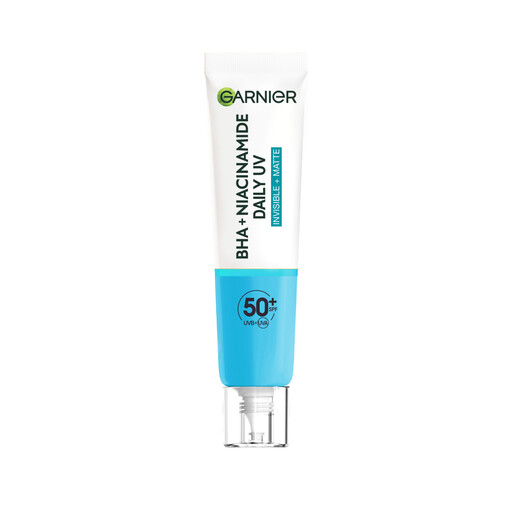
Why This Fits Their Persona: This user needs a daily sunscreen that won't exacerbate oiliness or cause breakouts. This fluid is specifically designed to control shine and contains active ingredients to address imperfections, making it a multi-tasking solution for a streamlined morning routine.
It directly counters the "greasy formula that clogs pores" pitfall. Its ultra-light, mattifying texture provides a dry-touch finish that lasts all day, and the inclusion of BHA and Niacinamide actively works to keep skin clear.
Combines very high SPF50+ broad-spectrum protection with derm-actives (BHA, Niacinamide) to both protect and treat oily, blemish-prone skin. It leaves an invisible, matte finish on all skin tones.
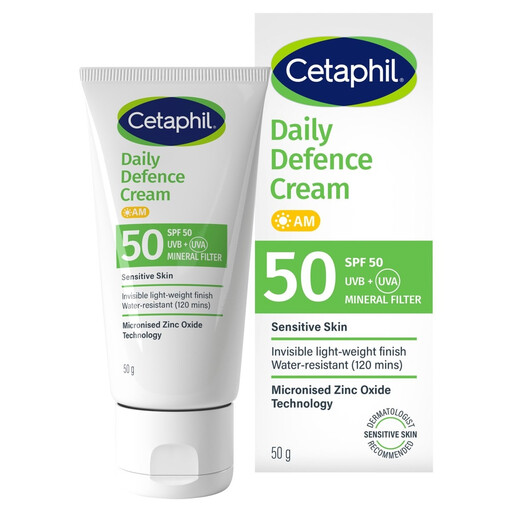
Why This Fits Their Persona: This user prioritises gentle, non-irritating formulas. They need reliable protection that won't trigger redness, stinging or breakouts. A mineral-based, fragrance-free option is often their safest and most comfortable choice.
It avoids the irritation that can come from some chemical filters. The formula is specifically designed to be gentle, non-comedogenic and fragrance-free. The use of micronised zinc oxide helps minimise the white cast often associated with mineral sunscreens.
Provides physical mineral protection (Zinc Oxide) that is clinically proven to be gentle on sensitive skin. It helps defend against 5 signs of skin sensitivity, including a weakened skin barrier, dryness and irritation.
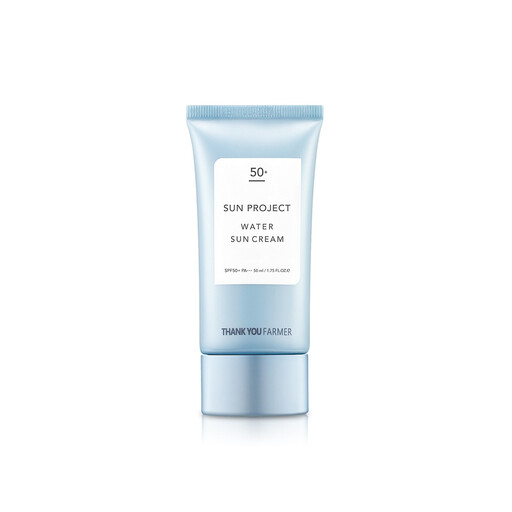
Why This Fits Their Persona: This person seeks a sunscreen that feels more like a luxurious moisturiser. They want to combat dryness and achieve a healthy, radiant glow without feeling greasy. This formula is designed to deliver intense hydration and a dewy finish.
It solves both the "white cast" and "greasy feel" problems for dry skin. Its unique texture provides a burst of hydration that absorbs beautifully, leaving a radiant glow rather than an oily film. It acts as a moisturiser and sunscreen in one.
Delivers intense moisture with a dewy, "glass skin" finish, making it ideal for normal to dry skin types. The formula is infused with soothing botanicals like Bamboo Water and Centella Asiatica to calm the skin.
We have compiled a complete, real-time list of products that fully satisfy these strict selection criteria and UK safety regulations.
A good guideline for the face and neck is the "two-finger rule." Squeeze a line of sunscreen onto your index and middle fingers from base to tip. This amount, typically around a quarter-teaspoon, ensures you are applying enough to achieve the advertised SPF rating. Under-applying significantly reduces your level of protection.
This depends on your skin type and the specific product. For those with oily or normal skin, a well-formulated hydrating sun cream or a moisturiser with SPF 50 can often provide enough hydration to replace a separate moisturiser in your morning routine. If you have very dry skin, you may find you still benefit from applying your sunscreen over your favourite moisturiser for an extra layer of comfort.
Yes. Glass windows effectively block most UVB rays (the burning rays), but they do not block UVA rays (the ageing rays). Since UVA rays contribute to wrinkles, sun spots and loss of elasticity, it is advisable to wear a daily face sunscreen with broad-spectrum protection even when you are working from home near a window or driving. Similarly, up to 80% of UV rays can penetrate cloud cover, so protection is necessary even on overcast British days.