
24/7 Customer Support

Free returns

Same-day & Next-day Delivery

Quality Guaranteed

Unlock Your Welcome Offers: FREE Delivery | Up to 80% OFF | Free 30-day JoyPlus trial
Download the APP
Buying daily health supplements online can feel straightforward until you compare dosage, ingredients, age suitability and dietary requirements. A colourful gummy may appear convenient, while a high-strength capsule may seem better value, but neither is automatically suitable for your routine.
For UK shoppers, the sensible approach is to compare the label rather than relying on broad promises about energy, immunity or “detoxing”. This guide explains the main buying traps, the specifications worth checking and a selection of products for different needs.
A larger number is not always an advantage. Some products provide substantially more than the UK Nutrient Reference Value (NRV), particularly vitamin D3 supplements, zinc supplements, iron products and high-potency multivitamins.
For example, a product containing 30 mg of zinc or 100 μg of vitamin D3 should not be combined casually with another supplement containing the same nutrient. Check your total daily intake and follow the product directions. If you are pregnant, breastfeeding, taking medication or managing a medical condition, ask a healthcare professional before use.
A formula containing dozens of vitamins, minerals and botanical ingredients can look comprehensive, but it may duplicate nutrients already found in your diet or other products. A focused supplement, such as vitamin D3 supplements, omega-3 capsules or a specific multivitamin, may be easier to manage.
Look for the actual amount per serving, not just phrases such as “advanced formula”, “immune defence” or “daily vitality”.
Capsules are convenient, but they may contain gelatine or fish. Gummies can be easier to take but often contain sugar or glucose syrup. Powders suit smoothies and plant-based diets, yet their taste and storage requirements may affect whether you use them consistently.
Always check allergen information, including fish, soya, barley, wheat, sulphites and gelatine, as well as age restrictions. Some liquid products require refrigeration after opening, while gummies and powders should be kept cool and dry.
Compare the nutrient quantity per capsule, tablet, gummy or measured serving. For multivitamins, UK shoppers should check the percentage of NRV beside each nutrient. This helps distinguish a modest daily formula from a high-strength product.
The nutrient form may also matter for dietary preferences. Examples include:
Children’s vitamins should never be selected from an adult formula simply because the ingredient list looks similar. Check the stated age range, serving size and choking warnings. Products such as iron gummies for kids require particular care because excessive iron can be dangerous.
Adults may prefer women’s multivitamins or men’s multivitamins, but the important comparison remains the nutrient profile, dosage and any ingredients that may conflict with personal requirements.
Vegans and vegetarians should check capsule shells, vitamin D source, fish oil and hidden allergens. Organic chlorella powder can provide a plant-based option for adding protein and selected nutrients to smoothies, but it should not automatically replace a balanced diet.
Also consider how often you will use the product. A one-capsule daily formula may be easier to maintain than a product requiring several doses. Read the label for serving limits, storage instructions and the recommended duration of use.
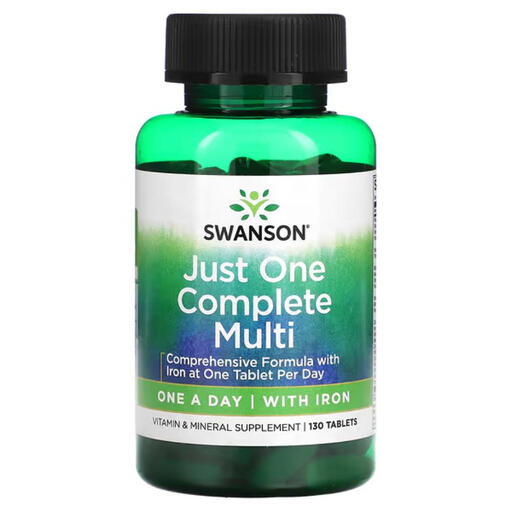
Why This Fits Their Persona: A single-tablet adult formula may suit shoppers wanting broad daily nutritional support without buying several separate products.
The label lists individual nutrients and amounts, making it easier to identify duplication with other multivitamins or iron products.
130 tablets; one-tablet daily direction; includes vitamins, minerals and 27 mg iron per tablet.
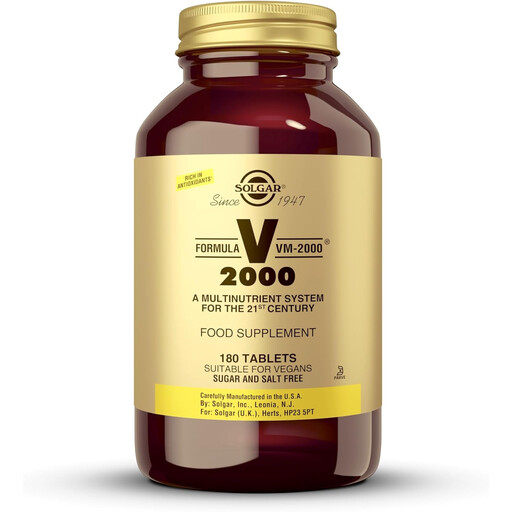
Why This Fits Their Persona: Suitable for adults seeking a vegan-friendly, high-potency multi-nutrient format and who are prepared to follow a two-tablet serving.
Its detailed nutrient panel helps buyers assess high percentages before deciding whether it suits their existing diet.
Vegan formulation; 180 tablets; includes vitamins, minerals, amino acids and botanical nutrients.
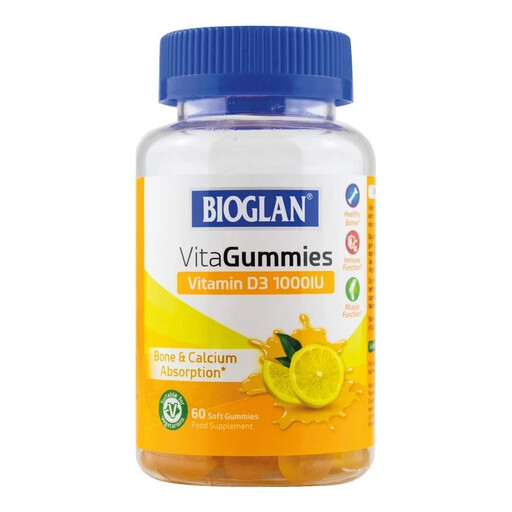
Why This Fits Their Persona: The chewable format may suit adults and teenagers aged 12 and over who spend much of the year indoors or dislike swallowing tablets.
The serving is clearly stated as one gummy daily, helping prevent accidental doubling with other vitamin D products.
25 μg (1,000 IU) vitamin D3 per gummy; vegetarian pectin format; lemon flavour.
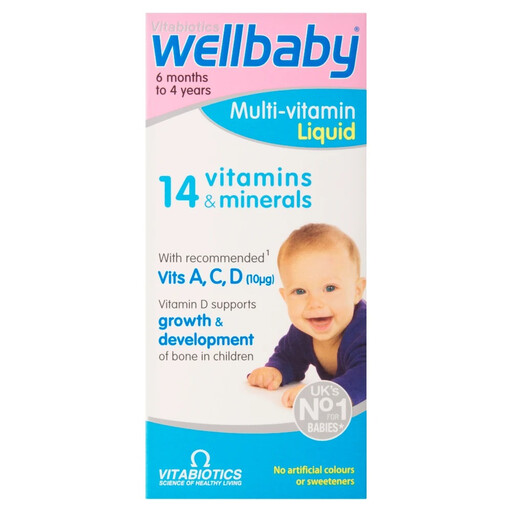
Why This Fits Their Persona: Parents can select an age-labelled liquid rather than adapting an adult product for infants or toddlers.
Separate directions are provided for 6–12 months and 1–4 years, with a measuring syringe for portion control.
14 vitamins and minerals; liquid format; includes vitamins A, C and D plus iron and zinc.
We have compiled a complete, real-time list of products that fully satisfy these strict selection criteria and UK safety regulations.
There is no single suitable combination for everyone. Commonly compared options include multivitamins, vitamin D3 supplements, omega-3 capsules, zinc supplements and probiotic supplements. Choose according to your diet, age, lifestyle and any advice from a healthcare professional.
Sometimes, but check for duplicated vitamin D, zinc, iron, vitamin A and other nutrients. Read each label and do not exceed the stated dose. People taking medicines or managing health conditions should seek individual advice before combining products.
Shelf life varies by format. Check the best-before date and follow storage instructions. Some liquids need refrigeration after opening, while gummies and powders can absorb moisture. Keep every product out of sight and reach of children, particularly iron gummies for kids and other concentrated formulas.