
24/7 Customer Support

Free returns

Same-day & Next-day Delivery

Quality Guaranteed

Unlock Your Welcome Offers: FREE Delivery | Up to 80% OFF | Free 30-day JoyPlus trial
Download the APP
Buying daily health supplements can seem straightforward until you compare dosage, ingredients, formats and dietary suitability. A brightly coloured gummy may be convenient, while a capsule may provide a more concentrated formula. However, packaging and bold marketing language do not always tell you whether a product fits your needs.
This guide explains the practical checks UK shoppers should make before buying vitamin supplements, multivitamins, magnesium, probiotics, omega-3 and sports nutrition products.
“High strength” does not automatically mean a product is suitable. A supplement may contain a large amount of one nutrient but little else relevant to your routine. Always check the amount per serving, recommended daily intake and the form of the ingredient.
For example, two magnesium supplements may use different compounds, such as magnesium hydroxide, citrate or glycinate. The total magnesium amount and serving instructions are more useful comparison points than a phrase such as “premium formula”.
Taking a multivitamin alongside separate vitamin D3 supplements, magnesium or immune support supplements can result in overlapping ingredients. This is particularly important for fat-soluble vitamins such as vitamins A and D, which can accumulate in the body.
Read every nutrition panel before combining products. Compare the total daily intake with the stated Nutrient Reference Value (NRV) and follow the label rather than assuming that more will provide additional value.
Gummies, liquids and stick packs are easy to use, but they may contain sugar, sweeteners or flavourings. Capsules can be more compact but may contain gelatine, so they are not automatically suitable for vegans or vegetarians.
Check the complete ingredient list, allergen declaration, age guidance and storage instructions. This matters for families, people following plant-based diets and anyone taking prescribed medication.
Look for the quantity per daily serving, not simply the amount in the whole container. A 60-gummy pack may provide 30 days of use if the recommended serving is two gummies daily.
Useful examples include:
The appropriate amount depends on the product, your diet and your circumstances. Do not exceed the stated dosage without advice from a qualified healthcare professional.
The form can affect how a supplement fits your preferences and routine. Marine magnesium is different from a tablet containing magnesium oxide; algae-based omega-3 is different from fish oil; and lichen-derived vitamin D3 offers a plant-based alternative to lanolin-derived vitamin D.
For vegan supplements, check for:
Remember that “natural” is not a substitute for reading the ingredients. The full formulation is what determines suitability.
The most suitable supplement is one you can take correctly and consistently. Capsules may work well with breakfast, while a powder can be mixed into water or a shake. Probiotic liquids may require refrigeration after opening, whereas shelf-stable gummies are easier to store at work or while travelling.
Consider:
These details help prevent buying a product that is inconvenient, unsuitable or likely to be left unused.
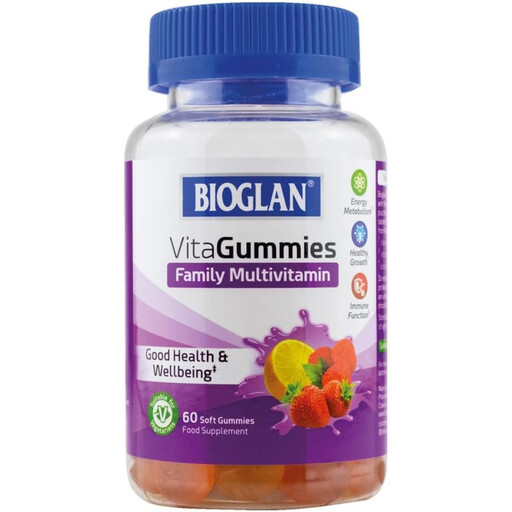
Why This Fits Their Persona: A chewable format for adults and children aged 4 and above, with age-based serving guidance and fruit flavours for a shared household routine.
The panel identifies each vitamin amount per gummy, helping shoppers calculate the daily serving instead of judging the product by pack size alone.
Includes vitamins D3, C, E, B vitamins, biotin, folic acid and iodine; uses a pectin-based gummy format.
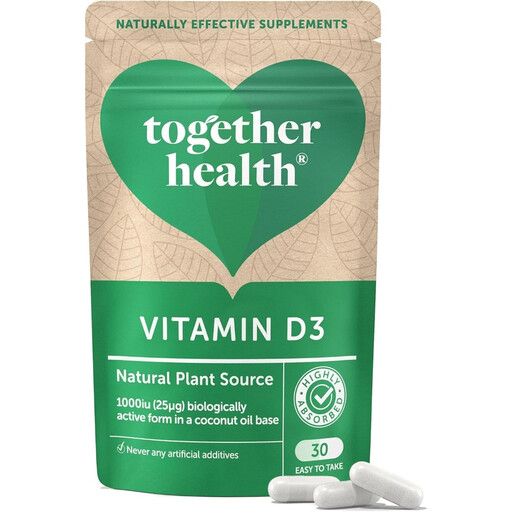
Why This Fits Their Persona: A plant-based option for UK adults who want a clearly specified vitamin D3 source and a simple one-capsule daily routine.
It states the source as lichen and provides the exact amount per capsule, rather than relying only on broad “sunshine vitamin” language.
Provides 25 µg of vitamin D3 per capsule; vegan and made with coconut oil.
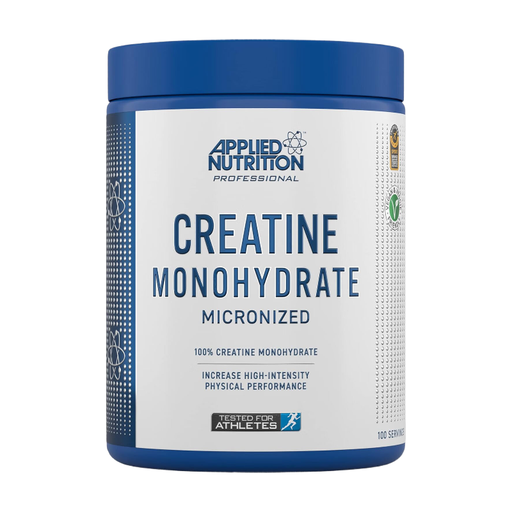
Why This Fits Their Persona: The larger pack suits active adults and athletes who already have a regular training and supplementation routine.
The formula lists one ingredient—micronised creatine monohydrate—and gives a clear 5 g serving, avoiding unnecessary blends with unclear quantities.
100% micronised creatine monohydrate; unflavoured and suitable for mixing with water or shakes.
We have compiled a complete, real-time list of products that fully satisfy these strict selection criteria and UK safety regulations.
Your choice should follow a specific nutritional or lifestyle requirement rather than a general promise. Popular options include:
Start with one clearly defined product that matches your diet or routine. Read the label, follow the serving instructions and monitor how practical it is to take consistently. Avoid adding several products with overlapping vitamins at the same time.
Shelf life varies. Check the best-before date, seal and storage instructions on the packaging. Some liquids, such as water-based probiotic supplements, may need refrigeration and consumption within a specified period after opening. Keep gummies, capsules and powders cool, dry and away from direct sunlight unless the label states otherwise.
Calculate the cost per daily serving, not just the pack price. A 30-capsule bottle taken once daily lasts one month, while a 60-gummy pack may last 30 or 60 days depending on the recommended serving. Larger sports nutrition packs can reduce replacement frequency, but only if the product suits your actual usage.