
24/7 Customer Support

Free returns

Same-day & Next-day Delivery

Quality Guaranteed

Unlock Your Welcome Offers: FREE Delivery | Up to 80% OFF | Free 30-day JoyPlus trial
Download the APP
Choosing daily multivitamins can seem straightforward until you compare serving sizes, nutrient levels, dietary claims and warnings. A colourful label may promise energy, immunity or complete wellness, but the useful details are often in the small print.
For UK shoppers, the right choice is usually the formula that matches a genuine dietary requirement, is practical to take consistently and does not duplicate other supplements. The following guide explains the main buying pitfalls, the specifications worth checking and several suitable options for different needs.
Some high-strength multivitamins provide several hundred or several thousand per cent of a nutrient reference value (NRV). A larger number is not automatically more appropriate. Taking several products together can lead to unnecessary duplication, particularly with vitamin A, iron, zinc, selenium and B vitamins.
Check the full serving rather than only the front label. For example, a product requiring three tablets daily may look inexpensive per pack but provide fewer days of use than a one-a-day formula.
Tablets, capsules, softgels, sachets and effervescent multivitamins suit different routines. A tablet taken with food may work well for someone who has a regular breakfast, while a dissolvable drink may be more convenient for someone who dislikes swallowing pills.
However, convenience depends on following the instructions. Effervescent products must be dissolved fully in water, while sustained-release tablets should not usually be crushed or chewed. Always follow the product label.
Terms such as wholefood multivitamins, “women’s”, “men’s” and “energy support vitamins” describe positioning or formulation style, not a guarantee of a particular result. Compare the actual nutrient panel, ingredients, allergens and dosage.
A vegan formula may still contain nutrients at levels that are unsuitable for your circumstances. Likewise, multivitamins with iron are not suitable for everyone, especially those already taking iron or with a condition affecting iron storage.
Look for the amount per daily serving and compare it with the UK nutrient reference value (NRV) where provided. A general formula commonly includes vitamins A, C, D, E, K, the B-complex group, folate, biotin and minerals such as iodine, zinc, selenium and magnesium.
If you are comparing women’s multivitamins or men’s multivitamins, check whether the differences are meaningful for you. Some women’s formulas include iron, while some men’s formulas omit it. These are formulation choices rather than universal requirements.
Iron can be useful for some adults but is not automatically needed. Check the amount and form, and avoid combining several iron-containing products without professional advice. Keep all iron supplements away from children.
Prenatal multivitamins require extra care. Pregnancy and breastfeeding can change nutritional needs, and a general multivitamin is not a substitute for a pregnancy-specific product. Consult a GP, pharmacist or midwife before use, particularly if you take medication or another supplement.
Check whether the product is genuinely vegan, vegetarian, halal, kosher, gluten-free or free from specific allergens. Capsule shells may contain gelatine, and some products contain soya, fish, milk or other ingredients.
For example, some wholefood formulas use plant and marine sources, while a product containing omega-3 fish oil is not suitable for vegans. Read the current packaging because formulations and allergen statements can change.
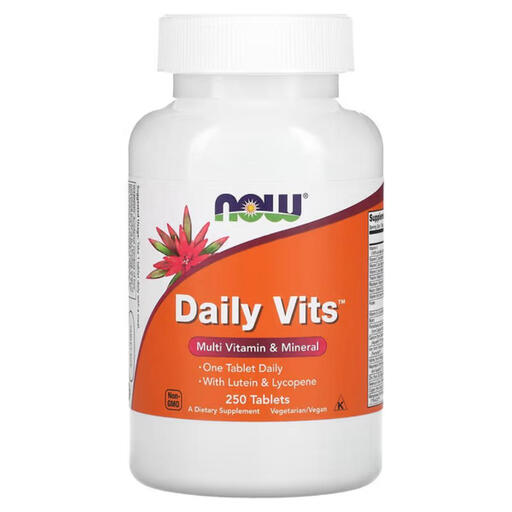
Why This Fits Their Persona: A one-tablet daily format with 250 tablets can suit adults wanting a straightforward long-duration supply without adding several specialist products.
The daily serving is clearly stated as one tablet, helping shoppers compare cost per day rather than pack price alone.
Includes vitamins, minerals, lutein and lycopene; listed as suitable for vegan and vegetarian diets.
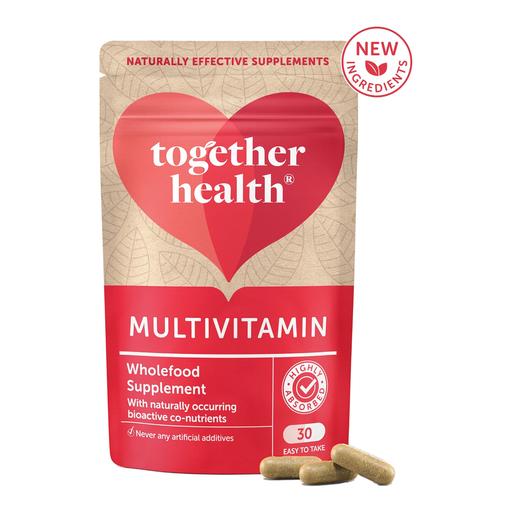
Why This Fits Their Persona: Suitable for shoppers who prioritise a one-a-day, plant-based wholefood approach and want to examine the source of each nutrient.
The label identifies plant, algae and mineral-rich water sources, allowing a more informed comparison than relying on “natural” wording alone.
One capsule per day; suitable for vegetarians and vegans, with 21 listed vitamins and minerals.
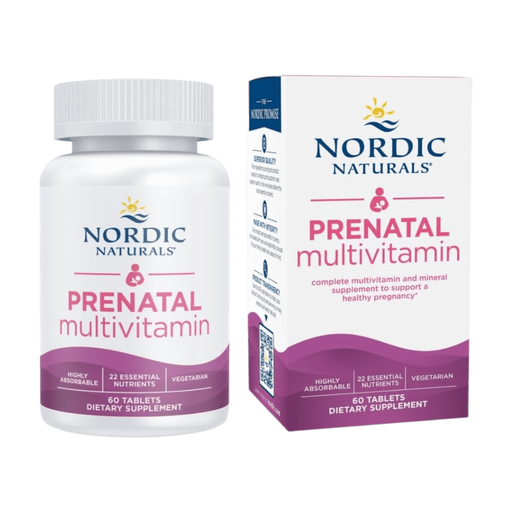
Why This Fits Their Persona: Designed for pregnant and breastfeeding adults who need a prenatal-specific nutrient profile rather than a general daily formula.
It is clearly positioned as prenatal, with a stated two-tablet serving and folate, iron, iodine and vitamin D listed on the nutrition panel.
Listed as free from gluten, wheat, soya, milk derivatives and synthetic dyes; professional advice is still recommended before use.
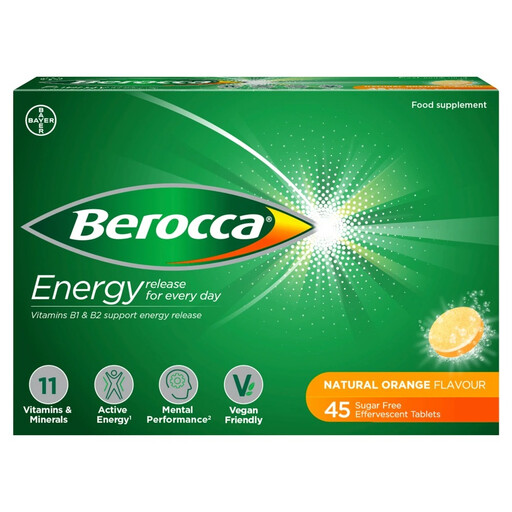
Why This Fits Their Persona: A practical option for adults who prefer mixing one tablet into water rather than swallowing capsules or tablets.
The recommended dose is one tablet daily, dissolved in 200 ml of water, making the routine and cost-per-day easy to calculate.
Sugar-free orange flavour with vitamin C, B-complex vitamins, zinc and magnesium; check the label for sweeteners and suitability.
We have compiled a complete, real-time list of products that fully satisfy these strict selection criteria and UK safety regulations.
The shelf life is shown on the packaging as the best-before date. After opening, store the product as directed, usually in a cool, dry place away from sunlight and humidity. The number of days supplied depends on the daily serving, not simply the number of tablets in the container.
Many formulas are recommended with a meal, particularly those containing fat-soluble vitamins such as A, D, E and K. Taking supplements with food may also fit more comfortably into a daily routine. Follow the product-specific instructions rather than assuming every formula is identical.
Avoid stacking products without checking their combined nutrient levels. A multivitamin taken alongside separate iron, vitamin D, B-complex vitamins or immune support supplements may duplicate ingredients. If you are pregnant, breastfeeding, taking medication or managing a medical condition, ask a qualified healthcare professional before starting a supplement.