
24/7 全天候客户支持

免费退货

当日/次日达

品质保障

开启新人专享福利: 全场免邮 | 低至 2 折 | 免费试用 30 天 JoyPlus 会员
下载 Joybuy
Navigating the world of daily multivitamins can feel overwhelming. With shelves lined with bottles promising more energy, stronger immunity and overall vitality, it's easy to feel lost in the marketing clutter. Many of us in the UK, leading busy lives, simply want a straightforward way to bridge potential nutritional gaps. Yet, this simple goal can lead to costly mistakes.
As a Joybuy Product Recommendation Officer, my role is to help you see past the hype. Many well-intentioned purchases end up being ineffective due to a few common pitfalls. Before you add another bottle to your basket, let's look at the frequent traps that cause consumers to waste their money.
To make a smart choice, you need to look beyond the front-of-pack claims. Here are the core parameters to check before you buy, ensuring your chosen supplement is right for you.
Your nutritional needs change throughout your life. A quality supplement will reflect this.
The form of a nutrient dictates how well your body can use it. Look for more absorbable, or "bioavailable," forms. For example, chelated minerals (like zinc picolinate or magnesium bisglycinate) are bound to amino acids, which can enhance their absorption. For Vitamin B12, methylcobalamin is often considered a more readily usable form than the more common cyanocobalamin.
The delivery format also matters for convenience and preference:
Are you primarily looking for vitamins for energy and tiredness, or is immune support vitamins your main priority? Check the label for key ingredients that support your goal.
Based on these practical criteria, here are a few recommendations tailored to different user profiles.
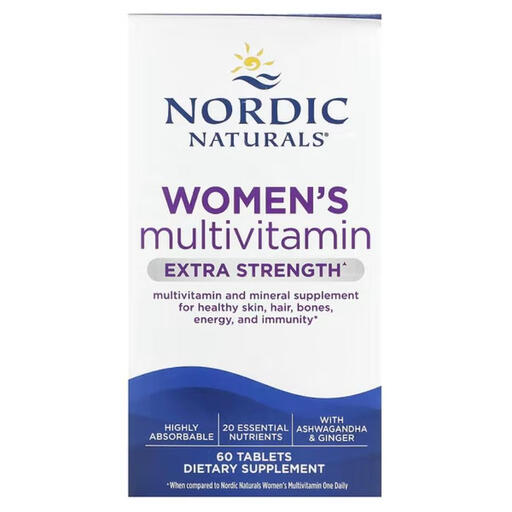
Why This Fits Their Persona: This is ideal for the health-conscious woman juggling a demanding career and personal life. The 2-in-1 formula combines a high-potency multivitamin with Omega-3s, saving time and supporting cognitive function and energy levels.
It directly counters the "one-size-fits-all" myth with a formula tailored for women and uses chelated minerals for better bioavailability, avoiding the absorption pitfall.
The inclusion of sustainably sourced fish oil provides EPA and DHA, supporting brain and heart health in a single, convenient tablet.
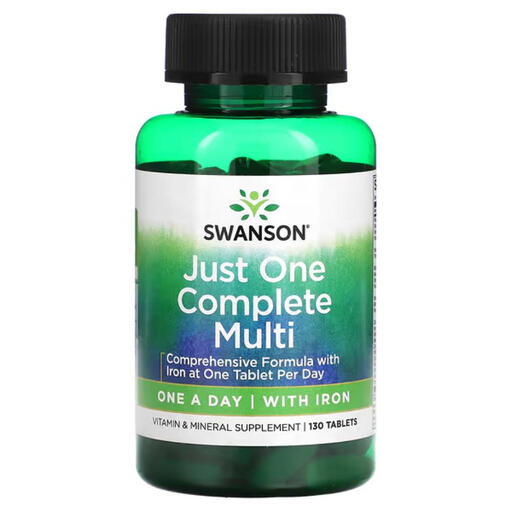
Why This Fits Their Persona: For those new to multivitamins or seeking a reliable, no-frills option, this product offers a solid foundation. It provides a comprehensive range of vitamins and minerals, including iron, at an economical price point.
This formula avoids the "more is more" trap by providing balanced, sensible nutrient levels for daily maintenance, rather than excessive doses used for marketing.
The 130-tablet bottle offers excellent value, providing over four months of supply, making it a cost-effective way to maintain a consistent supplement routine.
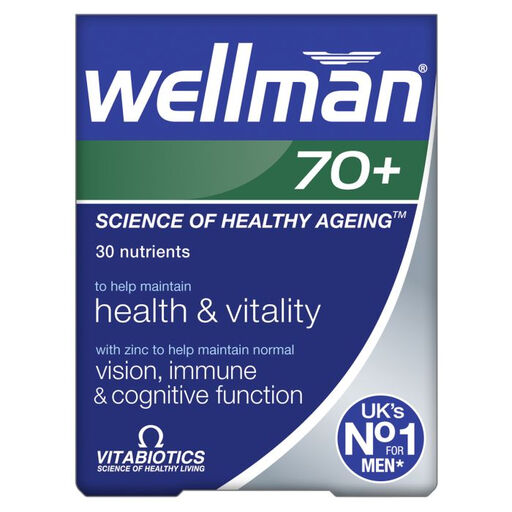
Why This Fits Their Persona: This is specifically engineered for men aged 70 and over, addressing the precise health concerns of this demographic, such as cognitive function, heart health and vision, which are priorities for maintaining independence and vitality.
This is the antithesis of a "one-size-fits-all" product. Its highly specialised formula with 30 different nutrients is precisely targeted for the needs of older men, ensuring relevance and efficacy.
Includes specific nutrients like iron, iodine and zinc to support normal cognitive function, plus Vitamin B1 for heart function, making it a comprehensive wellness tool for this age group.
We have compiled a complete, real-time list of products that fully satisfy these strict selection criteria and UK safety regulations.
For most people, the best time to take a multivitamin is with a meal, such as breakfast or lunch. This can help increase the absorption of fat-soluble vitamins (A, D, E and K) and may reduce the risk of an upset stomach. The most important factor is consistency, so choose a time that you can stick to every day.
No. Food supplements, including multivitamins, are intended to supplement a healthy diet, not replace it. A balanced diet provides fibre, macronutrients (protein, fats, carbohydrates) and a complex array of phytonutrients that cannot be replicated in a single pill. A multivitamin is best used to fill in any potential nutritional gaps in an already healthy lifestyle.
The need for supplemental iron varies. A multivitamin with iron is often beneficial for pre-menopausal women, who lose iron during menstruation, as well as pregnant women or individuals diagnosed with an iron deficiency. However, men and post-menopausal women generally do not need extra iron unless advised by a healthcare professional, as excess iron can accumulate in the body. If you are feeling constantly fatigued or are unsure about your iron status, it is always best to consult your GP.