
24/7 全天候客户支持

免费退货

当日/次日达

品质保障

开启新人专享福利: 全场免邮 | 低至 2 折 | 免费试用 30 天 JoyPlus 会员
下载 Joybuy
Finding a daily UV fluid that feels good, looks invisible and actually protects your skin can feel like an impossible task. The market is saturated with options, and it's easy to end up with a drawer full of products that are too greasy, leave a ghostly white cast or cause your makeup to slide off by lunchtime. As your Joybuy Product Recommendation Officer, my role is to help you navigate the clutter and identify what truly matters for daily sun protection.
Before you add another disappointing bottle to your collection, let's look at the common pitfalls that catch many shoppers out.
To avoid these traps, focus on a few key technical details. Understanding these will empower you to choose a daily UV fluid that works for your specific needs.
Sunscreens use either mineral or chemical filters to protect your skin, and the type dramatically affects the texture and feel.
Effective sun protection is about more than just a high SPF number.
The way a fluid feels and looks on your skin determines whether you'll use it consistently.
Based on these practical criteria, here are a few daily UV fluids that are well-suited to different needs and preferences.
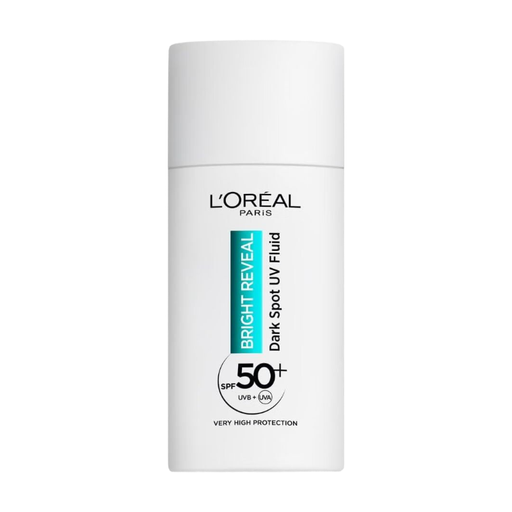
Why This Fits Their Persona: This user wants their sunscreen to do more. Living a busy life in a UK city, they need a product that combines high-level sun protection with proven skincare actives to streamline their morning routine and defend against environmental stressors.
It sidesteps the "skincare hype" trap by including a combination of Vitamin C and Vitamin E, known antioxidants, alongside its SPF 50 protection. The invisible finish is also backed by a high percentage in a consumer study.
Combines broad-spectrum SPF 50 with antioxidant protection. The lightweight, non-greasy texture is designed to be invisible on all skin tones and acts as a primer for makeup.
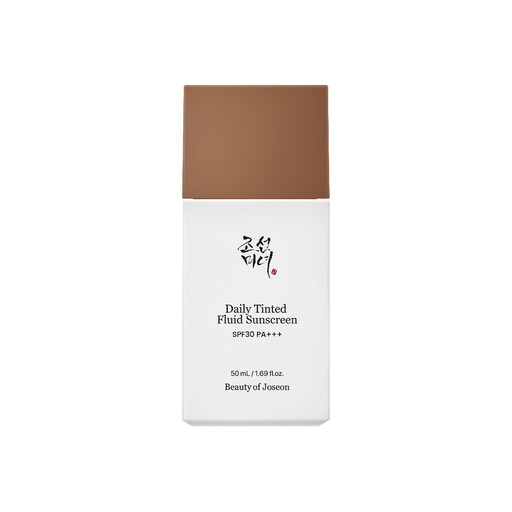
Why This Fits Their Persona: This person prefers a quick, one-and-done morning step. They want a tinted sunscreen that evens out their complexion and provides reliable protection without the feel of foundation, making it perfect for weekend errands or casual work-from-home days.
It directly solves the "white cast" problem for mineral sunscreens by incorporating sheer pigments. The MN230 shade is specifically balanced with neutral undertones to blend seamlessly into medium skin tones without looking ashy.
A 100% mineral filter (Zinc Oxide) that is gentle on the skin. The formula includes silica for shine control and Artemisia extract to soothe, making it suitable for multiple skin types.
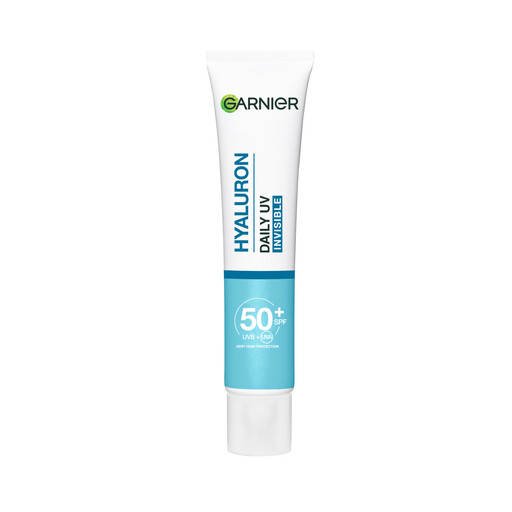
Why This Fits Their Persona: This user needs an affordable, reliable and comfortable sunscreen for everyday use. They aren't looking for complex routines, just a high-protection product from a trusted brand that they can apply quickly before heading out the door.
It avoids the "one-size-fits-all" trap by offering a genuinely non-greasy and non-sticky fluid texture that works well for most skin types without feeling heavy. It delivers on the core promise of a comfortable, invisible finish at an accessible price.
Provides very high SPF 50+ protection against UVB, UVA and long-UVA rays. The formula includes Hyaluronic Acid and Glycerin to support the skin's moisture barrier.
We have compiled a complete, real-time list of products that fully satisfy these strict selection criteria and UK safety regulations.
To achieve the labelled SPF, you need to apply more than you might think. A good guideline is the "two-finger rule": dispense a line of product onto your index and middle fingers and apply that amount to your face and neck. Under-applying significantly reduces the level of protection.
This depends on your skin type. If you have oily or combination skin, a hydrating SPF fluid may provide enough moisture for you to use it as a 2-in-1 moisturiser and sunscreen in the morning. However, if you have dry or dehydrated skin, you will likely still benefit from applying a dedicated moisturiser first and letting it absorb before applying your UV fluid.
Pilling—when a product rolls up into little flakes—is usually caused by incompatibility between skincare layers. To prevent it, allow each product in your routine (serum, moisturiser) to fully absorb for a minute or two before applying the next. It can also happen if you apply a silicone-based primer or foundation over a water-based sunscreen, or vice versa. Giving your UV fluid a few minutes to set before applying makeup is a simple way to ensure a smooth base.