
24/7 全天候客户支持

免费退货

当日/次日达

品质保障

开启新人专享福利: 全场免邮 | 低至 2 折 | 免费试用 30 天 JoyPlus 会员
下载 Joybuy
Choosing daily vitamin supplements can seem straightforward until you compare multivitamins, vitamin D supplements, immune support supplements, gummies, liquids, sprays and capsules. The main challenge is separating useful information from packaging claims that may not match your needs.
This guide from the Joybuy Product Recommendation Officer focuses on practical checks for UK shoppers, including nutrient levels, dosage, format, dietary suitability and the risk of taking overlapping products.
A label listing 20 or more vitamins and minerals may look impressive, but a larger list is not automatically more suitable. Check the quantity of each nutrient and compare it with the UK Nutrient Reference Value (NRV) where provided.
Some formulas focus on everyday nutritional top-ups, while others are designed around vitamin D, vitamin C, zinc, iron or energy support vitamins. Selecting a product based on your actual diet and routine is more practical than choosing the longest ingredient list.
Taking a multivitamin alongside separate vitamin D supplements, vitamin C supplements, zinc supplements or bone health supplements can lead to unnecessary duplication. This is particularly important with fat-soluble vitamins such as vitamins A, D, E and K, and with minerals such as iron and zinc.
Always compare the complete labels before combining products. Follow the stated serving size and do not exceed the recommended daily intake unless advised by a healthcare professional.
Gummies may be easier to take, but they can contain sugar or glucose syrup. Liquids and sprays can help people who dislike swallowing tablets, but they require accurate measuring or consistent application. Capsules may be compact and convenient, yet some contain gelatine or allergens such as soya.
A product that fits your dietary requirements and daily habits is more likely to be used consistently than one chosen solely for a fashionable delivery format.
Look for the amount per daily serving, not just the total quantity in the bottle. For example:
These are permitted nutrition claims linked to specific nutrients; they should not be interpreted as treatment or prevention of illness.
Choose between vitamin capsules, tablets, gummies, liquid vitamins, sprays and sachets according to how you will use them.
Check whether the product requires:
For families, keep all supplements out of sight and reach of children. A product suitable for adults is not automatically suitable for young children.
Vegan vitamins commonly use vegetable capsules, pectin or algae-derived nutrients, but not every vitamin D3 product is vegan. Some vitamin D3 is derived from lanolin, while other products use algae.
Read the current packaging for allergens, including soya, wheat, barley, dairy, nuts and coconut. Product formulations can change, so the label supplied with the item should take priority over older online information.
The following options match different shopping profiles rather than representing one universal choice.
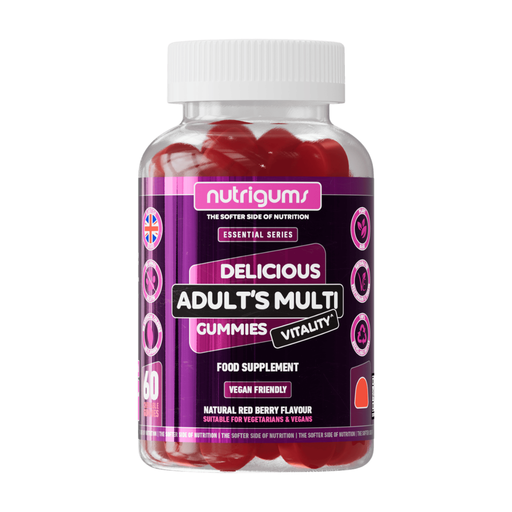
Why This Fits Their Persona: One gummy per day offers a straightforward starting point for adults who prefer chewable vegan vitamins over tablets or capsules.
The label states the amount per gummy, helping shoppers assess the serving without measuring. It is also pectin-based rather than gelatine-based.
Provides vitamins A, C, D3 and E, B6, B12 and zinc; suitable for adults seeking a one-gummy routine.
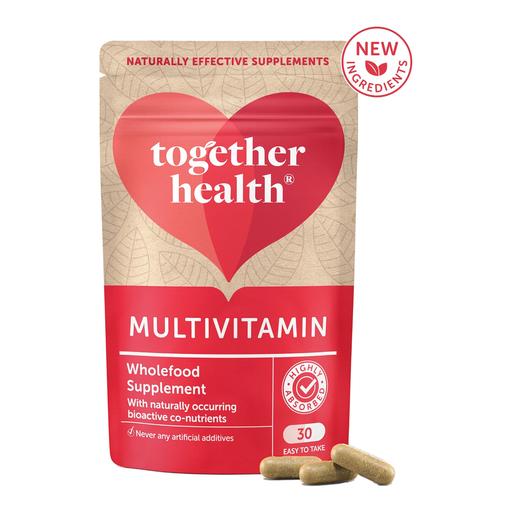
Why This Fits Their Persona: A one-capsule format suits adults who prefer plant-based ingredients and a compact daily routine.
The product specifies 21 vitamins and minerals with amounts listed per capsule, rather than relying only on broad “complete” wording.
Vegetarian- and vegan-suitable capsule; includes vitamin D3, vitamin C, B vitamins, iron, zinc, iodine and selenium.
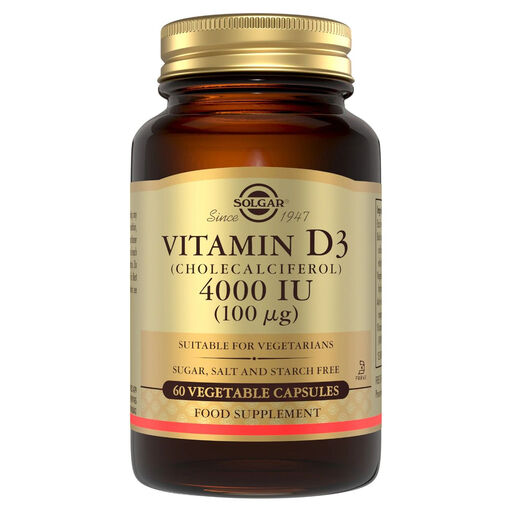
Why This Fits Their Persona: Designed for adults aged 18 and over who have a specific reason to consider a high-strength vitamin D format.
Its 100 microgram per-capsule strength is clearly stated, making it easier to identify as a higher-strength product rather than a general multivitamin.
Vegetable capsules; free from gluten, wheat, dairy, soya, sugar, artificial flavours and colours. Check suitability with a healthcare professional before use.
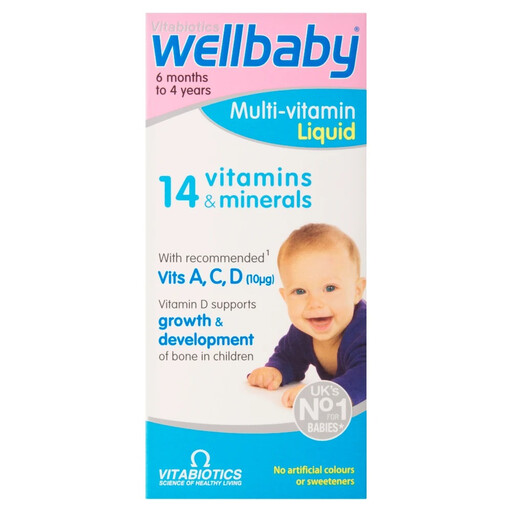
Why This Fits Their Persona: The liquid format is intended for infants and young children aged 6 months to 4 years, with age-specific dosage instructions.
It includes a measuring syringe and separate instructions for babies aged 6–12 months and children aged 1–4 years.
Contains vitamins A, C and D plus iron and zinc. Contains barley, so check the label carefully for allergies or dietary restrictions.
We have compiled a complete, real-time list of products that fully satisfy these strict selection criteria and UK safety regulations.
Not everyone needs a multivitamin. A balanced diet supplies many nutrients, but individual requirements vary with age, diet, lifestyle and medical circumstances. People with limited sun exposure may consider vitamin D supplements, particularly during periods when sunlight is weaker, but personal advice should come from a GP, pharmacist or registered healthcare professional where appropriate.
Capsules and tablets are generally straightforward to store until their stated expiry date when kept dry and sealed. Liquid vitamins may require refrigeration after opening and often have a shorter use period. Sprays and sachets should be checked for their specific storage instructions. Always follow the packaging rather than assuming every product has the same shelf life.
Sometimes, but compare the nutrient panels first. A multivitamin may already contain vitamin C, vitamin D and zinc, so adding separate immune support supplements can create unnecessary overlap. Check dosage, age suitability, medication warnings and allergens before combining products. If you are pregnant, breastfeeding, managing a health condition or taking regular medication, ask a healthcare professional before use.