
24/7 Customer Support

Free returns

Same-day & Next-day Delivery

Quality Guaranteed

Unlock Your Welcome Offers: FREE Delivery | Up to 80% OFF | Free 30-day JoyPlus trial
Download the APP
A daily wellness support powder can be a convenient addition to smoothies, porridge or water, particularly if your routine is busy or your diet is plant-based. However, the category includes everything from single-ingredient foods to concentrated dietary supplements, and the differences are not always obvious from front-of-pack marketing.
Before buying, look beyond phrases such as “complete wellness”, “detox” or “maximum strength”. The right choice depends on your nutritional priorities, taste preferences, dietary requirements and how consistently you are likely to use it.
A superfood powder containing dozens of ingredients may appear more comprehensive, but quantity matters. Some blends include many ingredients in very small amounts, while a single-ingredient powder may provide a clearer nutritional purpose.
Check the nutrition panel and serving size rather than counting ingredients. For example, a greens powder may include spirulina, chlorella, grasses, sea vegetables, enzymes and cultures, but the label should still explain how much you receive per serving.
Terms such as “cleanse”, “detox” and “toxin removal” are widely used in wellness marketing. They should not be taken as proof that a product removes heavy metals, treats illness or replaces medical care.
A zeolite powder, for instance, is a mineral supplement made from clinoptilolite. Its microporous structure is a product characteristic, but claims about trapping toxins in the human body should not be treated as established health outcomes. Always follow the label and seek medical advice if you have a health condition or take prescription medication.
A powder that tastes strongly earthy or requires several teaspoons daily may remain unopened in the cupboard. Conversely, a flavoured greens powder may be easier to drink but contain sweeteners or flavourings that you would rather avoid.
Consider whether you prefer an unflavoured powder, a natural food such as cacao powder, or a measured supplement such as magnesium powder. Also compare the pack size with the recommended serving to calculate how long it will last.
First decide what you want from a daily health supplement:
A product may look inexpensive until you discover that the pack provides fewer servings than expected. Divide the net weight by the stated serving size, then compare similar products on a cost-per-serving basis.
For nutrient claims, check the Reference Intake (RI) shown on UK packaging. Applied Nutrition Tri Magnesium, for example, provides 300 mg of elemental magnesium per 4 g serving, listed as 80% RI. Magnesium contributes to normal muscle function and normal energy-yielding metabolism, but the product should still be used only as directed.
Vegans and vegetarians should check the full label rather than relying solely on front-of-pack wording. Also look for gluten, celery, sulphites, nuts, soya and manufacturing-facility warnings.
Some products are unsuitable for children, pregnancy or breastfeeding, or may require professional advice when medication is involved. Powders containing vitamin K, green tea extract, concentrated botanicals or minerals deserve particular attention if you take regular medication.
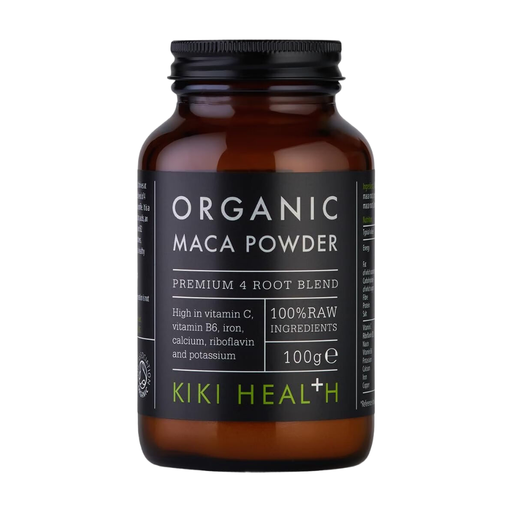
Why This Fits Their Persona: A straightforward single-purpose option for adults starting with a small daily serving. The 100 g pouch can be mixed into smoothies, yoghurt, cereal or baking.
The ingredient list is clear: four maca root varieties, with no complex proprietary blend to obscure composition.
100% raw maca powder; suitable for vegan and vegetarian diets; caramel flavour is suited to sweet recipes.
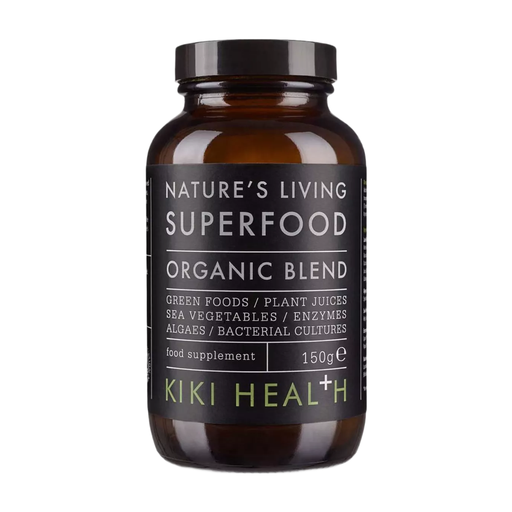
Why This Fits Their Persona: Suitable for shoppers seeking a broad organic greens formula with algae, vegetables, sea vegetables, enzymes, bacterial cultures and plant-based B vitamins.
The product provides a stated 5 g serving and lists vitamin B and vitamin K quantities, making comparison more practical.
47 listed ingredients; vegan and vegetarian suitable; gluten-free according to the supplied product information.
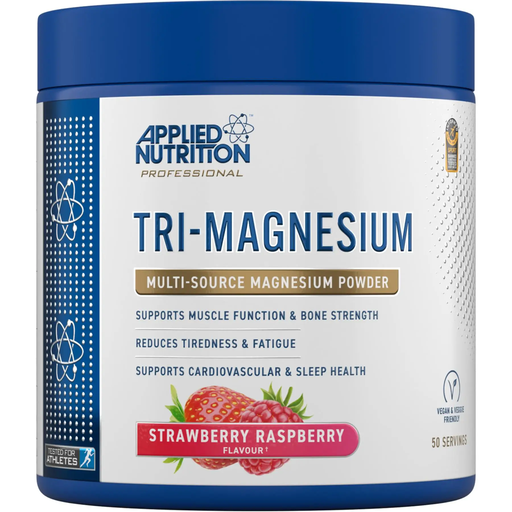
Why This Fits Their Persona: Designed for adults who specifically want magnesium in a flavoured drink, including active people and those with established evening routines.
The label identifies three magnesium forms and gives the elemental amount per serving instead of relying only on a blend name.
300 mg elemental magnesium per 4 g serving; 200 g container provides 50 servings; strawberry and raspberry flavour.
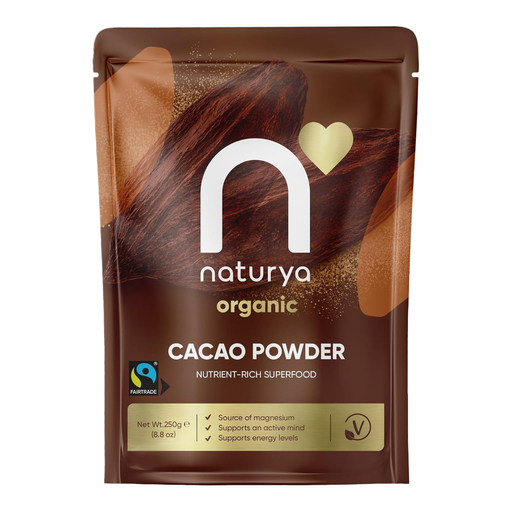
Why This Fits Their Persona: A practical choice for shoppers who prefer a food-style powder that works in porridge, smoothies, baking and hot drinks.
It is a simple 100% organic cacao powder, so there is no proprietary multi-ingredient formula to interpret.
100% organic cacao; no added sugar; 15 g serving provides 75 mg magnesium, according to the supplied nutrition information.
We have compiled a complete, real-time list of products that fully satisfy these strict selection criteria and UK safety regulations.
Choose a greens powder if you want a broad blend of vegetables, grasses, algae or plant ingredients. Choose cacao, maca, spirulina or chlorella when you have a more specific food or nutrient preference and want a simpler ingredient list.
This depends on the serving size. A 200 g magnesium powder with a 4 g serving provides around 50 servings, while a 250 g food powder used at 10–15 g daily will last for roughly two to four weeks. Always calculate from the label rather than the pack weight alone.
Sometimes, but combining products can increase your intake of particular nutrients or botanicals. Check for overlapping magnesium, iron, vitamin B12, green tea extract, vitamin K and other concentrated ingredients. If you take medication, are pregnant or breastfeeding, or have a medical condition, ask a healthcare professional before use.