
24/7 Customer Support

Free returns

Same-day & Next-day Delivery

Quality Guaranteed

Unlock Your Welcome Offers: FREE Delivery | Up to 80% OFF | Free 30-day JoyPlus trial
Download the APP
Choosing daily wellness supplements can feel straightforward until you compare ingredient lists, serving sizes, capsule counts and health claims. UK shoppers are often left deciding between vegan supplements, organic superfood supplements, digestive health supplements and broad multivitamins without knowing which details genuinely matter.
The right choice depends on your diet, routine and intended use—not the length of the marketing description. This guide explains the main buying traps, the specifications worth checking and a selection of products suited to different lifestyles.
A formula containing dozens of ingredients may look comprehensive, but the amount of each ingredient is more important than the total count. Some green powder supplements include many plant ingredients in very small quantities, while a simpler product may clearly state the amount per serving.
Check whether the label provides:
This is particularly important when comparing vitamins and minerals, antioxidant supplements and plant-based health supplements.
Natural ingredients can still interact with medication or be unsuitable for particular diets and health conditions. For example, products containing vitamin K may require additional consideration if you take anticoagulants. Sea moss products naturally contain iodine, which may be relevant to people with thyroid conditions. Herbal ingredients such as ashwagandha, cascara sagrada or dandelion root also deserve careful label reading.
Always check the warnings, allergens, age guidance and recommended dose before purchasing. If you are pregnant, breastfeeding, taking medication or managing a medical condition, seek advice from a qualified healthcare professional.
A supplement that does not fit your routine may be poor value, even if the ingredients appear suitable. Tablets and capsules are convenient for many people, while powders can be mixed into smoothies or water. Gummies may be easier to take but can contain sugar and are not always suitable for every dietary preference.
Also compare the number of tablets or capsules required each day. A bottle with more units does not necessarily provide more months of use.
For vegan supplements, look beyond the front label. Check the capsule shell, softgel ingredients and any possible manufacturing cross-contamination information. Some products use plant-based capsules but include non-vegan ingredients elsewhere in the formula.
Organic certification, non-GMO statements and allergen declarations can also help you compare organic superfood supplements. However, certification should be verified on the product packaging rather than assumed from words such as “clean”, “pure” or “natural”.
A stated dose should be practical for your routine and easy to compare with similar products. For example:
For probiotic supplements, check whether the CFU figure is stated at manufacture or guaranteed until the end of shelf life. Storage instructions also matter, particularly for liquid gut health supplements that may require refrigeration after opening.
Look for a batch number, best-before information, manufacturer or importer details and clear usage instructions. Products should be stored according to the label, away from heat, moisture and direct sunlight where specified.
UK food supplements must not be treated as substitutes for a varied diet, and authorised nutrition or health wording should not be interpreted as a medical guarantee. Be cautious of descriptions promising rapid detoxification, guaranteed weight changes or treatment of digestive conditions.
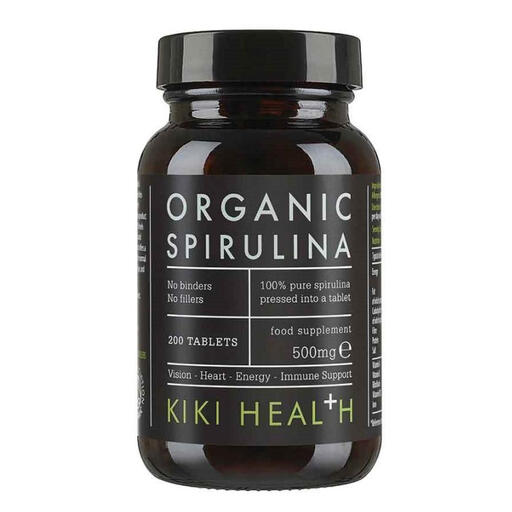
Why This Fits Their Persona: A straightforward tablet format for adults and teenagers who want to add a plant-based superfood to an existing balanced diet without preparing a powder.
The listing identifies 100% organic spirulina and the single ingredient, making it easier to assess the formula rather than relying on a long blend description.
Vegan-friendly; 200 tablets; recommended daily intake of 6 to 10 tablets; no listed binders, fillers, artificial colours or preservatives.
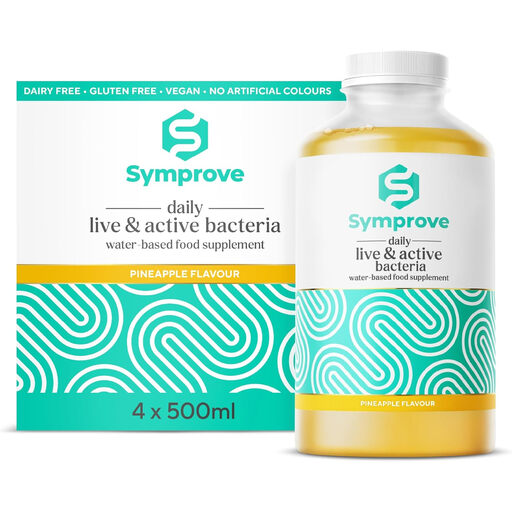
Why This Fits Their Persona: Suitable for shoppers who prefer a measured liquid serving and are prepared to follow storage and timing instructions as part of a consistent gut health routine.
The product specifies at least 10 billion CFUs per 70ml shot and provides named bacterial cultures rather than only using a general “probiotic” label.
Vegan, dairy-free and gluten-free; 70ml daily serving; four named cultures; refrigerate after opening and use within 14 days.
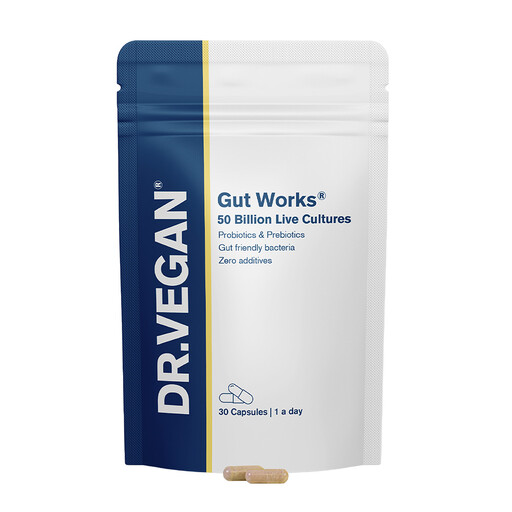
Why This Fits Their Persona: Designed for adults seeking a higher-count probiotic capsule with added prebiotic ingredients, including active professionals managing a detailed daily supplement routine.
The formula lists six bacterial strains, the stated CFU amounts and the quantities of inulin and psyllium husk, allowing a more informed comparison.
One capsule per day; vegan capsule shell; 50 billion CFU stated at manufacture; includes inulin and psyllium husk.
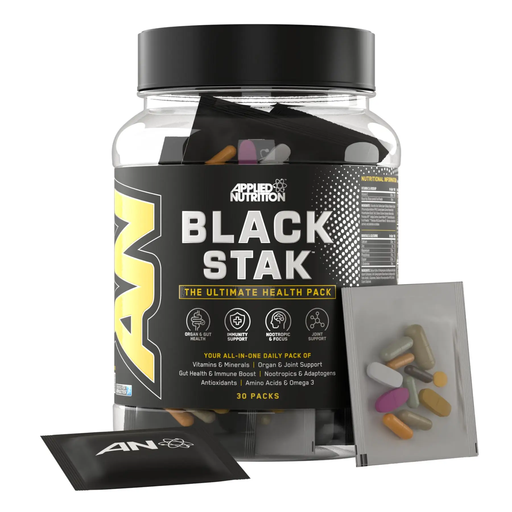
Why This Fits Their Persona: A single daily pack may suit active adults, gym users or commuters who prefer pre-portioned vitamins and minerals rather than organising multiple bottles.
Each pack is intended as one daily serving, reducing the risk of mixing up separate bottles. The label also advises against combining it with other multivitamin products without professional advice.
30 individually portioned packs; includes vitamins, minerals, omega-3 powder and botanical ingredients; convenient for travel and busy schedules.
We have compiled a complete, real-time list of products that fully satisfy these strict selection criteria and UK safety regulations.
Do not automatically combine several products containing the same vitamins, minerals or herbal ingredients. More supplementation is not automatically more appropriate.
They are dietary products intended to complement food intake. Depending on the formula, they may provide vitamins and minerals, fibre, live cultures, plant ingredients or specific nutrients such as omega-3. They should not replace a varied, balanced diet.
Vegan supplements can suit people following vegan or vegetarian diets, but suitability depends on the complete ingredient list and your individual circumstances. Check allergens, dosage, age guidance and warnings. Some plant ingredients, including iodine-rich sea moss or vitamin K-containing greens, may require professional advice if you take medication or have a medical condition.
Shelf life varies by product. Tablets and capsules are generally stored in a cool, dry place until the stated best-before date, while liquid probiotic supplements may require refrigeration and use within a specified period after opening. Always follow the product label and stop use if you experience an adverse reaction.