
24/7 Customer Support

Free returns

Same-day & Next-day Delivery

Quality Guaranteed

Unlock Your Welcome Offers: FREE Delivery | Up to 80% OFF | Free 30-day JoyPlus trial
Download the APP
Buying daily wellness supplements UK shoppers can rely on is not simply a matter of choosing the largest bottle or the highest number on the label. Whether you are comparing vitamin supplements UK, vegan vitamins, magnesium supplements or a general multivitamin, the useful choice depends on dosage, ingredients, dietary suitability and how well the format fits your routine.
A larger number can look attractive, but more is not automatically more suitable. Some products contain several times the UK Nutrient Reference Value (NRV), while others provide a moderate daily amount. High-strength vitamin D3 supplements, iron supplements, zinc products and B complex vitamins deserve particular care because combining several products can lead to unnecessary nutrient duplication.
Check the amount per serving, not just the amount per capsule or tablet. Also check whether the recommended serving is one, two or more units daily.
“Vegan”, “natural” or “clean” on the front of a pack does not tell you everything. A product may still contain soya, milk-derived cultures, barley, celery, gelatine or other ingredients relevant to allergies and dietary preferences.
For example, some probiotic supplements use milk and soya during the cultivation of bacterial strains, while a children’s liquid multivitamin may contain barley-derived malt. Always compare the complete ingredients list with your requirements, especially if you avoid gluten, dairy, soya or artificial additives.
Marketing language can make a supplement sound like a treatment for tiredness, poor sleep or stress. Food supplements should complement a varied diet and healthy lifestyle; they are not medicines and should not be presented as diagnosing, preventing or treating disease.
Look instead for measurable details: nutrient form, dosage, number of servings, storage instructions, allergen information and whether the product is suitable for your age group.
The UK label should clearly show the quantity of each nutrient per recommended serving and, where applicable, its percentage of NRV. This makes it easier to compare vitamin C and zinc tablets, multivitamins for women, vitamin D3 supplements and energy and fatigue supplements on a like-for-like basis.
The form can also affect practicality. Examples include:
These details do not guarantee a particular personal outcome, but they help you choose according to dietary needs and tolerance.
Calculate the real cost per day. A 120-tablet pack taken once daily provides a different value from a 60-capsule pack taken twice daily. Powders may suit people who dislike tablets, while liquids can be easier for young children when used according to the label.
Consider whether you will realistically use the format every day. Tablets, capsules, powders, liquids and chewable products all have different storage and preparation requirements.
Check the minimum age, warnings, storage conditions and interactions with medicines. Pregnant or breastfeeding people, anyone preparing for surgery and those taking regular medication should seek advice from a healthcare professional before using relevant products.
Terms such as GMP manufacture, third-party testing or recyclable packaging describe production or presentation features; they do not replace checking the formula and dosage. Keep iron-containing products and all supplements out of the reach of children.
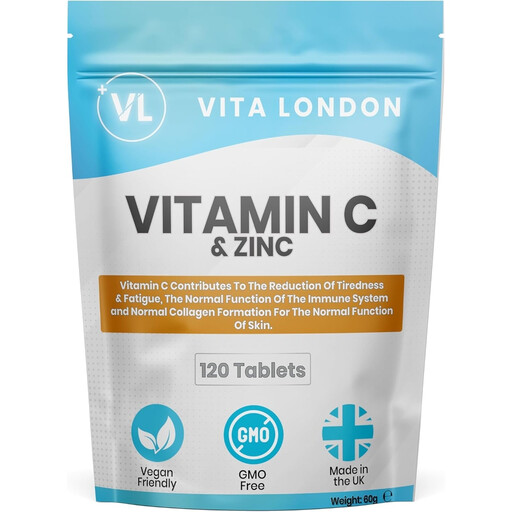
Why This Fits Their Persona: A straightforward daily option for adults who want two nutrients in one small tablet, with a four-month supply for a simple routine.
The label states 100mg vitamin C and 20mg zinc per tablet, so the serving is easy to compare rather than relying on vague immune-support wording.
Vegan formula; free from gluten, wheat, dairy and soya; 120 tablets and resealable packaging.

Why This Fits Their Persona: Suitable for adults seeking a clearly stated magnesium supplement for everyday nutrition, muscle function and energy metabolism.
It identifies the source as marine magnesium and states 300mg per capsule, helping buyers avoid comparing products by capsule count alone.
One-capsule daily format; suitable for vegans and vegetarians; no synthetic additives, artificial colours or preservatives listed.
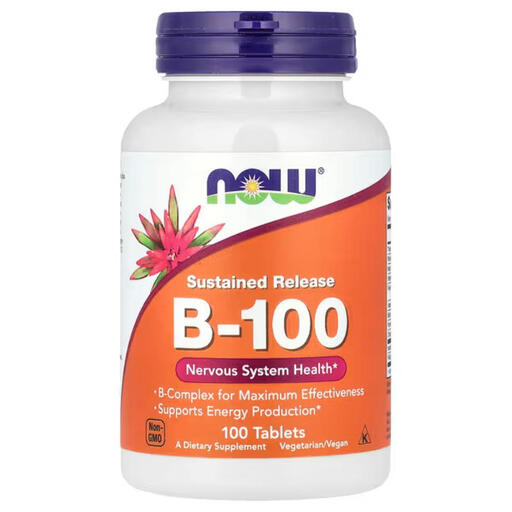
Why This Fits Their Persona: A practical choice for adults specifically comparing B complex vitamins and seeking a broad, sustained-release formulation.
The product specifies sustained release and gives individual amounts for each B vitamin, making its high-strength profile visible before purchase.
One tablet daily; 100-tablet pack; free from gluten, soya, milk, egg, fish and artificial additives according to the listing.
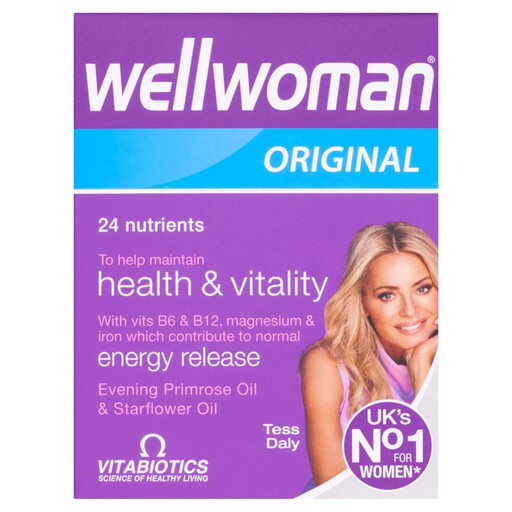
Why This Fits Their Persona: Designed for adult women who prefer one daily capsule combining vitamins, minerals and plant oils.
The listing provides a full nutrient panel, including vitamin D, iron, zinc and B vitamins, so you can check overlaps with other products.
One capsule daily with food; includes evening primrose and starflower oils; 30-capsule pack.
We have compiled a complete, real-time list of products that fully satisfy these strict selection criteria and UK safety regulations.
Your needs may point to a different category. Vitamin D3 supplements can suit people comparing high-strength options, while probiotic supplements may be selected by strain count, live culture quantity and storage requirements. Turmeric and ginger supplements should be checked for extract standardisation and added black pepper.
For food-based options, green superfood powders can be mixed into water or smoothies, but check allergens such as celery, barley grass or wheatgrass. Sleep support supplements and stress support supplements may contain botanicals such as ashwagandha, lavender or passion flower, so review warnings and medicine interactions carefully. Parents should choose age-specific children’s multivitamins, never adult formulations.
Divide the price by the number of recommended daily servings, not the number of tablets. Then account for the serving size, shipping, storage needs and whether you would need a second product to cover missing nutrients.
Avoid automatically combining a multivitamin with separate iron, zinc, vitamin D, magnesium or B complex vitamins. Check the total daily intake across all labels. If you take medication, have a medical condition, are pregnant or breastfeeding, ask a healthcare professional before combining products.
Shelf life varies by product. Follow the best-before date and storage instructions on the packaging. Keep tablets and capsules cool and dry, refrigerate liquids when instructed and reseal powders after every use. Always check the current label before consuming.