
24/7 Customer Support

Free returns

Same-day & Next-day Delivery

Quality Guaranteed

Unlock Your Welcome Offers: FREE Delivery | Up to 80% OFF | Free 30-day JoyPlus trial
Download the APP
Daily wellness supplements can make nutritional routines more convenient, particularly for busy UK adults, athletes and people following vegan or vegetarian diets. However, a larger ingredient list does not automatically mean better value. The right choice depends on your diet, intended use, dosage, format and any relevant warnings.
Green powders and superfood supplements may contain dozens of vegetables, algae, enzymes and bacterial cultures. That sounds comprehensive, but check the per-serving quantities. A product can list many ingredients while providing only a small amount of each.
Also consider whether you need a broad formula or a single nutrient. A targeted iron supplement, for example, may be more appropriate than a high-potency multivitamin if your dietary requirements have already been established.
Terms such as “detox”, “immune boost” and “cellular support” can be used broadly in supplement marketing. They should not be interpreted as treatment claims. Food supplements are intended to complement a varied diet, not replace medical care or prescribed products.
Look for objective information, including the ingredient form, amount per serving, recommended daily intake and legally permitted nutrition claims. For example, iron contributes to normal oxygen transport and the reduction of tiredness and fatigue when supplied at an appropriate level.
“Plant-based” does not always mean vegan. Some capsules use gelatine, while a formula may contain soya, celery, wheat, barley, oats or naturally occurring sulphites. A product can also be unsuitable for people taking medication, including blood thinners or thyroid medicines.
Always compare the full ingredient list with your dietary requirements. Check the packaging supplied with the product because formulations, instructions and allergen information can change.
Compare the recommended daily dose, not just the pack size. A 200-tablet container may last less time than expected if the suggested intake is six to ten tablets daily. Powders can offer flexible serving sizes, but use the supplied scoop or a suitable kitchen measure and follow the label.
For example:
Check the nutrition table per serving and the percentage reference intake where provided. This is especially important when combining vitamins and minerals with energy support supplements, vegan supplements or wellness powders.
Iron, iodine, vitamin B6, zinc and vitamin K deserve particular attention because they appear in multiple types of daily formulas. Avoid stacking products without checking totals. If you have a medical condition, are pregnant or breastfeeding, or take regular medication, consult a healthcare professional before use.
Choose the format you will use consistently:
For organic supplements, look for clear certification details rather than relying solely on the word “organic”. For allergen-conscious shopping, review both the product ingredients and facility statements.
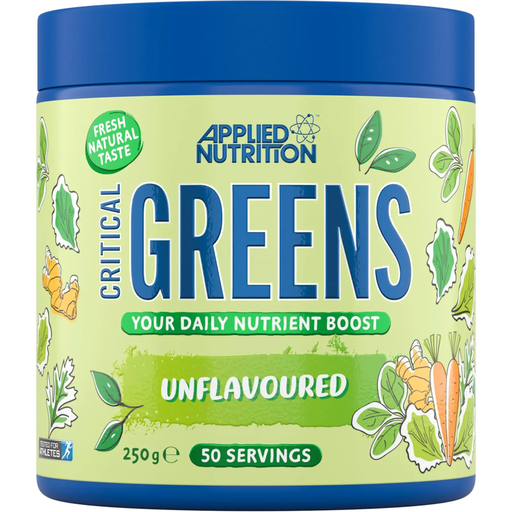
Why This Fits Their Persona: A 250g pack and one 5g scoop per day offer a straightforward entry point for adults who want to add green supplements to water, juice or smoothies without buying several separate products.
The ingredient quantities are shown per 5g serving, helping shoppers compare the formula rather than relying on broad “super greens” wording.
Unflavoured; includes spirulina, wheatgrass, barley grass and vegetable powders; suitable for vegan and vegetarian diets.
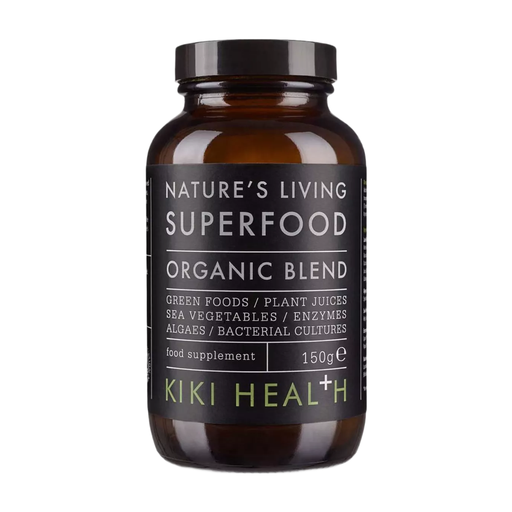
Why This Fits Their Persona: Suitable for shoppers prioritising a broad whole-food blend, vegan compatibility and a clearly listed combination of green foods, algae, enzymes, bacterial cultures and plant-based B vitamins.
The nutrition panel identifies the serving size and vitamin contributions, rather than leaving “complete nutrition” undefined.
47 listed ingredients; provides vitamin K and B vitamins; free from gluten and suitable for vegans and vegetarians.
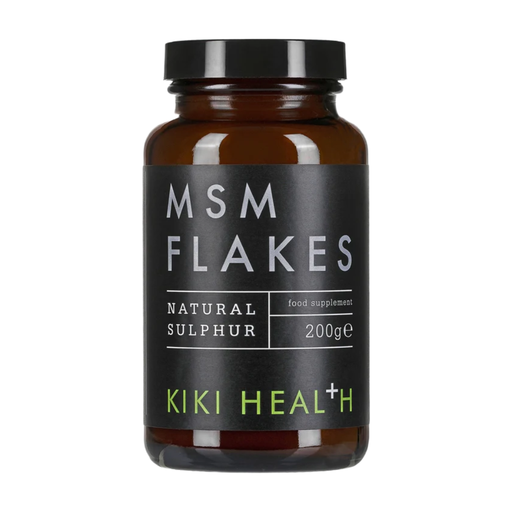
Why This Fits Their Persona: A targeted option for adults specifically comparing joint health supplements or looking for a simple powder rather than a broad multivitamin or greens blend.
It contains one clearly identified ingredient—100% MSM—so buyers are not paying for a long list of low-dose extras.
Approx. 3g per teaspoon; 200g pack; vegan and free from artificial additives, fillers, binders and common allergens according to the listing.
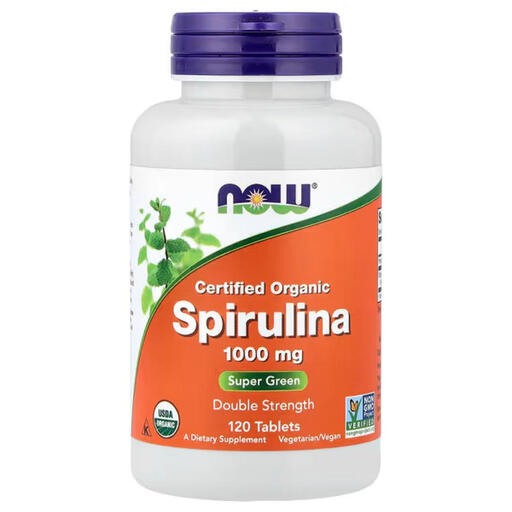
Why This Fits Their Persona: A practical choice for vegan and vegetarian adults who prefer measured spirulina tablets over mixing green powders.
The product states 1,000mg of spirulina per tablet and identifies silica as the other ingredient, making the formula easy to inspect.
120-tablet format; organic spirulina; vegan, vegetarian, non-GMO and gluten-free suitability stated in the product information.
We have compiled a complete, real-time list of products that fully satisfy these strict selection criteria and UK safety regulations.
They can be useful when they address a specific dietary preference or practical gap, such as vegan nutrition, limited vegetable intake or the need for a convenient tablet format. They should complement balanced meals rather than compensate for a consistently poor diet. Compare the serving cost and ingredient amounts before purchasing.
Possibly, but overlapping nutrients can make the combined intake unnecessarily high. Check vitamins and minerals across every label, particularly iron, iodine, zinc, vitamin B6 and vitamin K. Ask a pharmacist or healthcare professional for advice if you take medication or have an existing condition.
Not necessarily. Divide the product price by the number of recommended servings. Powders may provide more servings per container, while tablets can reduce waste if you prefer a fixed dose. Taste, preparation time and how consistently you use the product also affect practical value.
Before ordering, check the current label, allergens, storage guidance and recommended dose. A clearly defined formula that fits your routine is generally more useful than a product selected for marketing language alone.