
24/7 Customer Support

Free returns

Same-day & Next-day Delivery

Quality Guaranteed

Unlock Your Welcome Offers: FREE Delivery | Up to 80% OFF | Free 30-day JoyPlus trial
Download the APP
Choosing daily wellness supplements should be about matching a formula to your diet, age and routine—not buying the product with the longest ingredient list. UK shoppers face several common traps, from vague “energy” promises to unsuitable dosages and overlooked allergens.
This guide explains which details matter, how to compare multivitamins, vegan supplements, iron supplements, vitamin D3 capsules and green powders, and which options may suit different households.
A supplement containing dozens of vitamins, minerals and botanicals is not automatically appropriate for everyone. Some formulas may duplicate nutrients already found in another multivitamin, fortified food or separate vitamin D product.
Check the amount per serving, not only the number of ingredients. Compare the label’s nutrient reference values (NRVs) and follow the stated daily dose. Avoid combining several products containing the same nutrients unless a healthcare professional has advised you to do so.
“Plant-based” can mean different things. A capsule may be vegetarian but still contain dairy, soya, beeswax or a non-vegan capsule shell. Some wholefood powders contain wheat, barley or oats, while liquid children’s supplements may contain barley malt.
Always check the full ingredient list. This is particularly important when shopping for vegan supplements, products for children or supplements for people with food allergies and intolerances.
Daily supplements can help complement nutritional intake, but they should not replace varied meals. Marketing language around “detox”, “metabolism boosting” or dramatic vitality improvements should be treated cautiously. Look for objective information such as nutrient quantity, serving size, format, pack size and age suitability.
Start by identifying your purpose:
For example, the NOW Foods Alpha Lipoic Acid capsules provide 250 mg per vegan capsule and are intended for adults. The product label recommends one capsule daily with water, preferably with a meal.
For vegan and vegetarian shoppers, check the capsule material, oils, colourings and excipients. A product can be free from artificial colours yet still contain animal-derived gelatine.
Wholefood supplements and green superfood powder may be convenient for people who do not regularly eat a wide variety of vegetables. However, powders can contain ingredients such as vitamin K, celery or gluten-containing grasses, making the allergen panel particularly important.
Choose a format you can use consistently:
Also calculate the number of days per pack. A 30-capsule product may provide one month at one capsule daily, while a two- or three-capsule serving changes the actual duration.
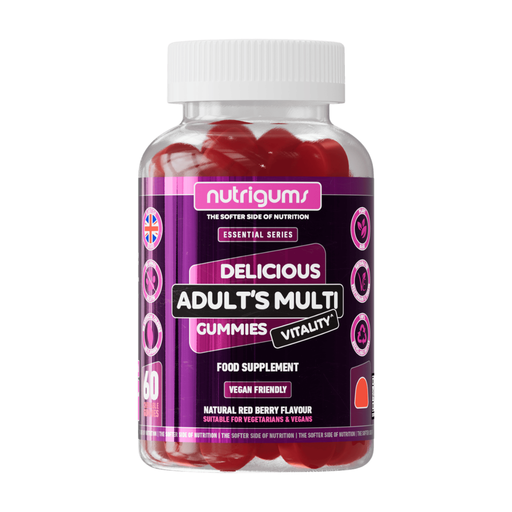
Why This Fits Their Persona: A straightforward option for adults beginning a daily routine, particularly those who prefer a chewable format over tablets.
The label specifies one gummy daily and lists 12 nutrients, making the routine easier to compare with other products.
Vegan, pectin-based gummies with vitamins A, C, D3, E and B vitamins; 60 gummies per container.
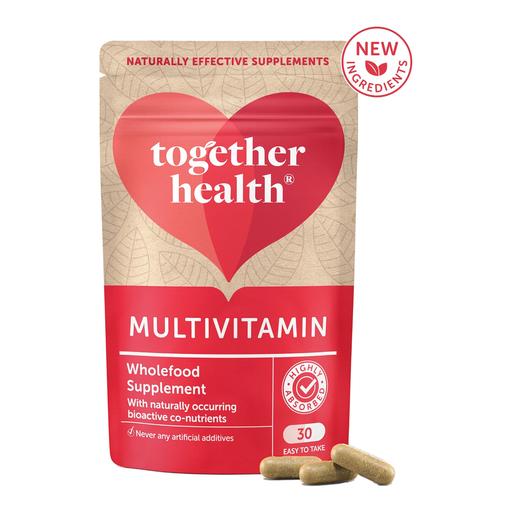
Why This Fits Their Persona: Suitable for adults seeking a one-a-day, plant-based formula with nutrients sourced from wholefood and marine ingredients.
It provides a defined one-capsule serving and lists individual nutrient quantities instead of relying only on general wellness wording.
One capsule daily; suitable for vegans and vegetarians, with vitamin D3, vitamin C, B vitamins, iron and zinc listed.
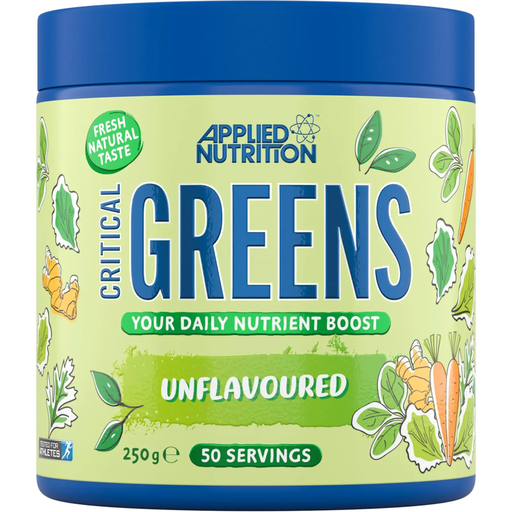
Why This Fits Their Persona: A practical choice for adults who want to add a measured green superfood powder to water, juice or a smoothie.
The suggested serving is clearly stated as one 5 g scoop daily, helping users control portions rather than guessing from a large pouch.
Unflavoured 250 g powder containing spirulina, grasses, vegetables, beetroot and green tea extract; contains celery.
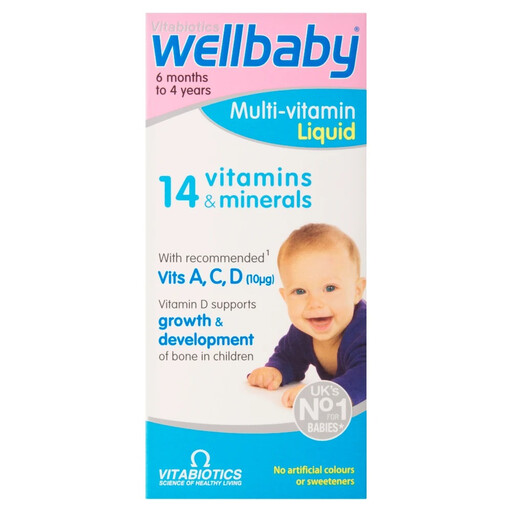
Why This Fits Their Persona: Designed for parents who need an age-specific liquid format with a measuring syringe for young children.
The product states separate doses for children aged 6–12 months and 1–4 years, reducing the risk of applying an adult serving.
Liquid 150 ml format with vitamins A, C and D, iron and zinc; contains barley malt and should not be combined with another multivitamin without advice.
Read the supplied label before use because formulations, packaging and instructions can change. Do not exceed the recommended dose. Keep supplements away from children; iron-containing products require particular care.
Adults who are pregnant, breastfeeding, taking medication or managing a medical condition should ask a GP, pharmacist or other qualified healthcare professional before starting a new product. This is especially relevant for iron supplements, high-potency multivitamins, products containing vitamin K and botanical blends.
Shelf life varies by format and serving size. Check the best-before date and calculate servings from the label. A 60-gummy container used at one gummy daily provides 60 servings, while a 30-capsule product taken at two capsules daily provides 15 days.
Follow the product label. Some vitamin D3 capsules are supplied in an oil-based format and may be recommended alongside a meal. Do not combine multiple vitamin D products without checking the total intake.
Only if the combined formula and dosage are appropriate. Many multivitamins already contain iron, while others do not. Compare labels carefully and seek advice from a healthcare professional if you think you may need additional iron.