
24/7 Customer Support

Free returns

Same-day & Next-day Delivery

Quality Guaranteed

Unlock Your Welcome Offers: FREE Delivery | Up to 80% OFF | Free 30-day JoyPlus trial
Download the APP
Busy routines, irregular meals and demanding training schedules can make daily wellness supplements seem like a convenient way to cover nutritional gaps. However, product labels often use broad language such as “complete”, “advanced” or “natural” without explaining what the serving actually provides.
The right choice depends less on impressive packaging and more on dosage, ingredients, dietary suitability and how the product fits your routine. This guide explains the main buying pitfalls and highlights practical options for different needs.
A product may contain dozens of vitamins, minerals, herbs or plant powders, but the amounts can vary considerably. Check the nutrition panel rather than counting ingredients. In the UK, look for NRV percentages where available. These show how much a serving contributes to the reference nutrient value for an average adult.
A multivitamin may be useful for broad nutritional coverage, while a green superfood powder may provide plant ingredients but not replace a balanced diet. Similarly, mushroom supplements and sea moss capsules are not interchangeable with essential vitamins or minerals.
Taking several products can unintentionally duplicate nutrients. For example, a multivitamin may already contain iron, zinc, magnesium or vitamin B6. Adding separate magnesium and zinc supplements, iron supplements or energy support supplements without checking the labels can lead to unnecessarily high total intakes.
Create a simple list of every supplement you take, including serving size. Pay particular attention to iron, zinc, vitamin B6, iodine and fat-soluble vitamins such as vitamins A, D, E and K.
Natural ingredients can still interact with medicines or be unsuitable for people with specific conditions. Vegan and vegetarian claims also require a closer look at capsule materials, allergens and manufacturing information. “High strength” describes quantity or concentration, not whether a product is suitable for you.
For UK shoppers, always check the supplied label, dosage instructions, allergen statement, age restrictions and warnings before purchase.
Compare the amount per daily serving, not simply the number of tablets or capsules in the bottle. One product may require one capsule daily, while another requires two or three.
The form of a nutrient may also differ. Examples in the available range include magnesium bisglycinate and citrate, zinc bisglycinate, ferrous bisglycinate and ergocalciferol, a form of vitamin D. These details help you compare products accurately, although they do not guarantee a particular result.
If you follow a vegan, vegetarian, Halal or Kosher diet, check that the certification or suitability statement applies to the complete product. Capsule shells may be made from gelatine or plant-based hydroxypropyl methylcellulose.
Also look for facility warnings. A product can contain no listed allergen while being produced in a facility that handles milk, soya, eggs, fish, celery or gluten-containing cereals.
Choose a form you can use consistently:
Check whether the product must be taken with food, mixed with cold liquid or stored away from heat and moisture. A product that does not suit your routine may become an expensive unused purchase.
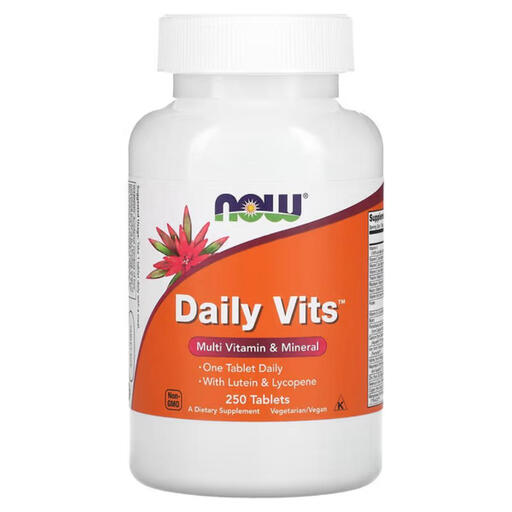
Why This Fits Their Persona: A single-tablet format suits adults who want broad daily coverage without buying several separate supplements for general nutrition.
The panel gives per-tablet quantities for a wide range of vitamins and minerals, making comparison easier than relying on a vague “complete” claim.
One tablet daily; includes lutein, lycopene and chelated minerals. Listed as suitable for vegan, vegetarian and Kosher diets.
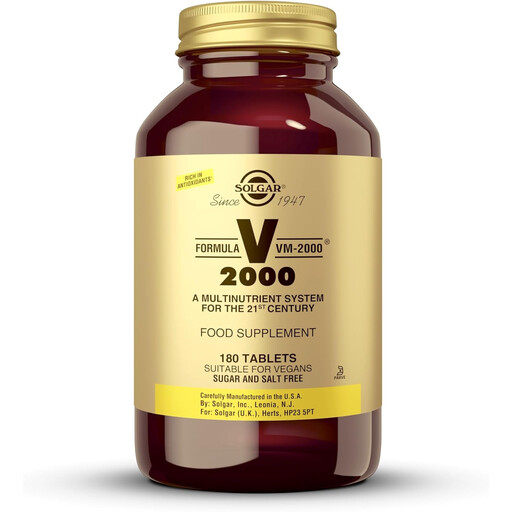
Why This Fits Their Persona: Suitable for adults seeking a higher-potency multinutrient format and a vegan tablet option for a structured daily routine.
Its detailed panel shows substantial nutrient levels, helping shoppers identify a high-potency formula before combining it with other multivitamins.
Vegan tablets; includes vitamins, minerals, amino acids and botanical nutrients. Contains soya, which should be checked against dietary needs.
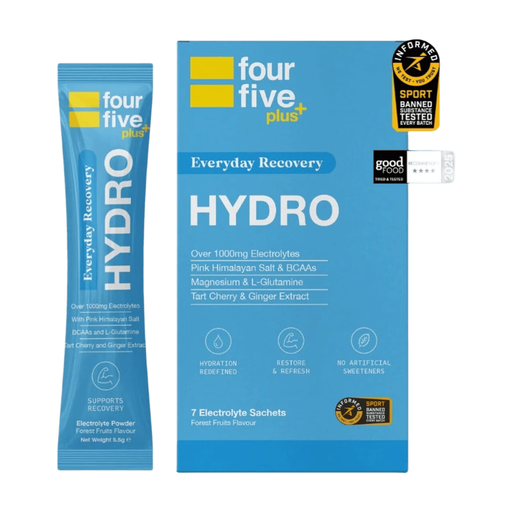
Why This Fits Their Persona: Designed for active adults who want a portable drink format around exercise, travel, long workdays or heavy sweating.
The sachet states a defined 5.5g serving mixed with 500ml of water, rather than leaving portion size open to guesswork.
Provides electrolytes, B vitamins, BCAAs and L-glutamine in single-use sachets. Contains coconut, so check the allergen information.
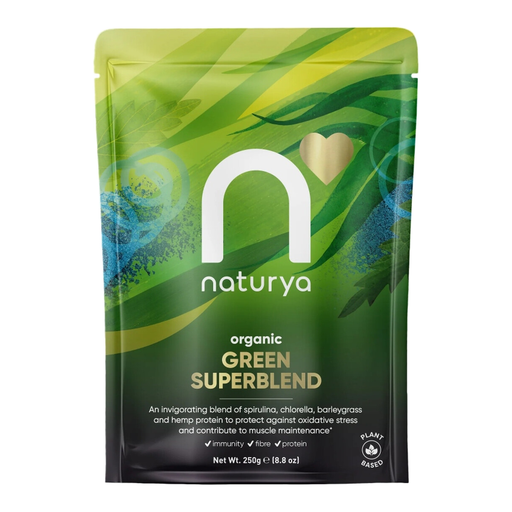
Why This Fits Their Persona: A practical choice for adults who prefer plant-based powders and want to add green ingredients to smoothies or drinks.
The ingredient list identifies the five main organic components and the suggested 10g–20g serving, rather than presenting the blend as an unspecified “detox” product.
Organic, vegan and gluten-free; includes wheatgrass, barley grass, spirulina, chlorella and hemp protein. Check the facility allergen statement.
We have compiled a complete, real-time list of products that fully satisfy these strict selection criteria and UK safety regulations.
For broad coverage, compare multivitamins and daily packs first. If your diet is plant-based, look at vegan supplements and check nutrients commonly included in fortified foods, such as vitamin B12 and iron.
For green nutrition, compare green superfood powders by serving size, allergens and preparation instructions. Powders containing wheatgrass or barley grass may not suit people avoiding gluten or cereals.
For targeted nutrition, consider the label rather than the marketing category:
Food supplements should complement, not replace, a varied diet and healthy lifestyle. If you are pregnant, breastfeeding, under 18, taking prescribed medication or managing a medical condition, ask a qualified healthcare professional before use.
Start with one product that matches a clearly identified need. Follow the stated serving size, take it at the recommended time and monitor how it fits your routine. Avoid starting several new products simultaneously, as this makes overlapping ingredients and unwanted reactions harder to identify.
Shelf life varies by product and packaging. Capsules and tablets may offer many servings per container, while powders and sachets are used according to the stated scoop or sachet size. Check the best-before information and store products in a cool, dry place away from direct sunlight.
They can be convenient when they address a genuine dietary or lifestyle requirement, but value depends on the amount provided per serving and how consistently you use the product. Compare cost per daily serving, not just the pack price, and avoid paying for ingredients you do not need.