
24/7 Customer Support

Free returns

Same-day & Next-day Delivery

Quality Guaranteed

Unlock Your Welcome Offers: FREE Delivery | Up to 80% OFF | Free 30-day JoyPlus trial
Download the APP
Busy routines, restricted diets and inconsistent meals can make nutritional support appealing. However, choosing daily wellness supplements is not simply a matter of selecting the bottle with the longest ingredient list. Labels, dosage, suitability and storage all affect whether a product fits your routine.
As the Joybuy Product Recommendation Officer, I focus on practical product information rather than dramatic promises. The aim is to help you compare multivitamins, vitamins and minerals, antioxidant supplements and whole food supplements with greater confidence.
A long formula can look impressive, but it may include nutrients you already receive from food or another supplement. It can also make it harder to identify the actual amount of each active ingredient.
Check the per-serving quantities, not just the number of ingredients. A shorter formula with clearly stated amounts may be more suitable than an extensive blend with limited dosage information.
Plant-based ingredients can still interact with medicines or be unsuitable for particular health conditions. Sea moss, for example, naturally contains iodine, while green superfood powder may contain vitamin K and cereal grasses.
“Natural”, “vegan” and “whole food” describe aspects of a product; they do not remove the need to read warnings. People who are pregnant, breastfeeding, taking prescription medication or managing a medical condition should seek advice from a healthcare professional before starting a new supplement.
A product labelled vegetarian is not necessarily vegan. Capsules may contain gelatine, and blends may include soya, milk, wheat, barley or oats. Always check the current packaging, especially if you have an allergy or follow a vegan or vegetarian diet.
Compare the recommended daily dose, serving size and the percentage Reference Intake (RI) where provided. A single capsule may be convenient, while a multi-capsule daily pack could offer a broader formula but require more planning.
Avoid combining several multivitamins or high-dose vitamin products without professional guidance. This is particularly important when a daily formula already contains vitamins A, D, E, K or several B vitamins.
Choose a format you are likely to use consistently:
Check whether the instructions recommend taking the product with food, on an empty stomach or away from hot liquids.
Read the full ingredients panel rather than relying on front-of-pack claims. Look for allergens in bold type and check whether the product is suitable for vegan or vegetarian diets.
Storage also matters. Keep powders tightly sealed and away from moisture, and follow the best-before information on the packaging. Supplements should complement a varied, balanced diet rather than replace it.
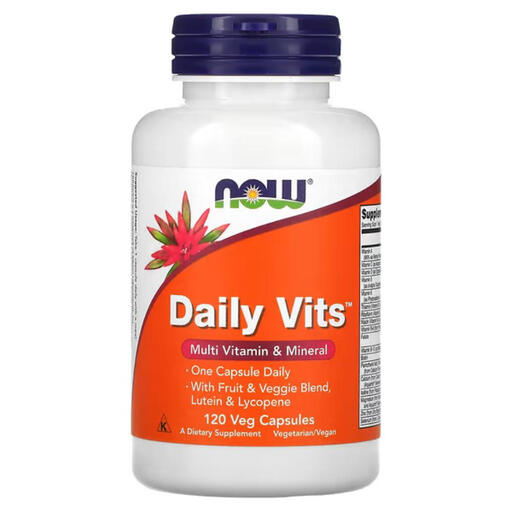
Why This Fits Their Persona: A one-capsule daily format is practical for adults who want broad nutritional support without mixing several separate products.
The label lists individual vitamins, minerals and serving amounts, making comparison easier than relying on a vague proprietary blend.
120 vegan capsules; includes vitamins A, C, D, E, K, B-complex, zinc, selenium and an organic fruit and vegetable blend.
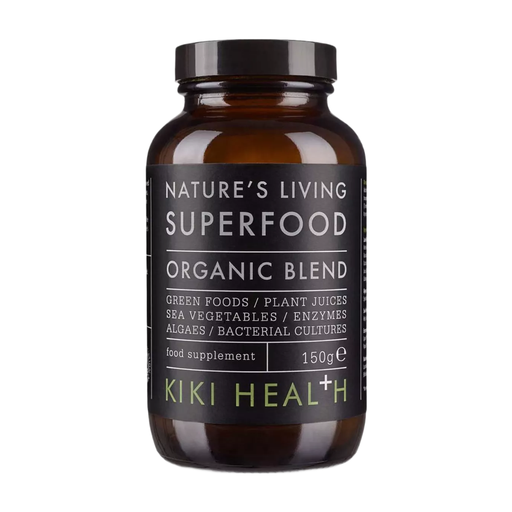
Why This Fits Their Persona: Suitable for adults who prefer a plant-based whole food supplement and are comfortable adding powder to a smoothie or juice.
It provides a stated 5g serving and lists its plant ingredients, B vitamins and vitamin K, rather than presenting “greens” as an undefined category.
47 listed ingredients; vegan, vegetarian and gluten-free; includes plant-based B vitamins and vitamin K.
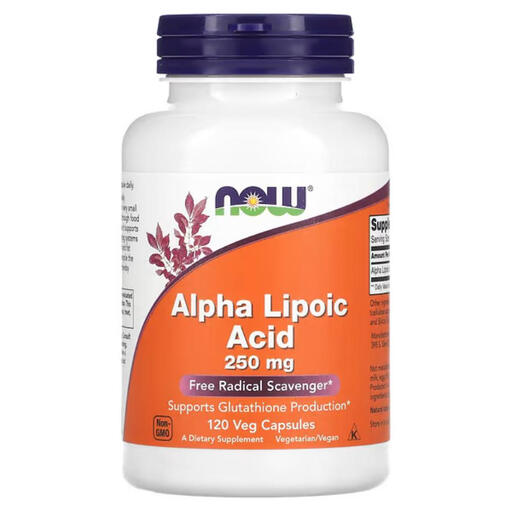
Why This Fits Their Persona: A focused option for adults specifically comparing alpha lipoic acid rather than seeking a broad multivitamin.
The formula contains one clearly stated active ingredient at 250mg per capsule, helping you avoid paying for an unnecessarily broad blend.
120 vegan capsules; 250mg alpha lipoic acid per capsule; suitable for vegetarian diets and free from common allergens according to the listing.
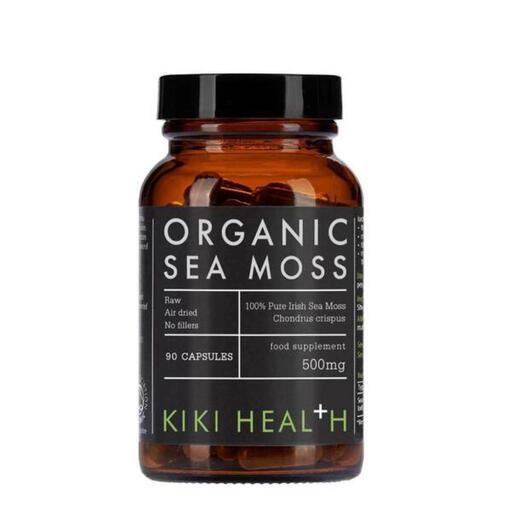
Why This Fits Their Persona: A straightforward choice for adults interested in sea moss capsules and a single seaweed-based ingredient.
The capsule provides a stated 500mg of Chondrus crispus, while the iodine warning makes it clear that suitability requires individual consideration.
90 capsules; 500mg sea moss per capsule; vegan capsule format with no listed gluten, wheat, dairy or soya.
Not necessarily. Supplements are intended to complement a varied diet, not replace it. They may be convenient when dietary intake is limited, routines are irregular or a healthcare professional has identified a nutritional need. Compare the product with your existing diet and other supplements before buying.
Shelf life varies by product and storage conditions. Check the best-before date, keep capsules and powders sealed, and store them away from heat, sunlight and moisture. A 120-capsule product taken once daily may provide approximately four months of servings, while the actual duration depends on the label instructions.
Some products suit both groups, but not all. Look for a clear vegan statement and check capsule materials, coatings and ingredients. Products containing gelatine, milk solids or other animal-derived ingredients are not suitable for vegans. Always review the current packaging before use.