
24/7 Customer Support

Free returns

Same-day & Next-day Delivery

Quality Guaranteed

Unlock Your Welcome Offers: FREE Delivery | Up to 80% OFF | Free 30-day JoyPlus trial
Download the APP
By Joybuy Product Recommendation Officer
Choosing daily wellness supplements can seem straightforward until you compare dosage, ingredients, age guidance, dietary suitability and format. Gummies may be easier to take, while capsules can offer a more concentrated formula. A multivitamin may cover several nutrients, but a targeted product could be more suitable if you are specifically looking for vitamin D, magnesium or B12.
The right choice depends on what you already eat, your age, your lifestyle and any advice from a healthcare professional. Use this guide to compare products carefully and avoid common purchasing mistakes.
A product displaying 500%, 1,000% or more of a Nutrient Reference Value can appear impressive, but a higher figure is not automatically more appropriate. Check the amount per serving, the recommended daily dose and whether the same nutrient appears in another product you take.
For example, a vitamin D3 supplement may provide 25µg per serving, while a multivitamin may contain an additional 5–10µg. Adding several products together can lead to unnecessary intake.
Vitamin gummies and softies are convenient, but they may contain sugar, glucose syrup, sweeteners or gelatine. “Sugar-free” does not necessarily mean free from sweeteners, and “plant-based” should be checked against the full ingredient list.
Look for pectin if you require vegan vitamins, and check for allergens such as soya, coconut or sulphites. Capsules may also use gelatine, even where the active ingredient itself is plant-derived.
Searches for immune support supplements, energy supplements or hair skin and nails vitamins often lead to highly targeted formulas. However, these products may have different age limits, nutrient strengths and warnings.
A children’s multivitamin should not be substituted with an adult formula. Similarly, women’s multivitamins may include iron, vitamin K or botanical ingredients that are not suitable for everyone, particularly those taking medication.
Compare the active nutrient rather than the headline product name. For magnesium supplements, check the amount of elemental magnesium, not only the weight of the compound such as magnesium citrate or magnesium hydroxide.
For vitamin D3 supplements, note whether the label provides the amount in micrograms (µg), International Units (IU) or both. One microgram of vitamin D equals 40 IU. Vitamin C supplements, B complex vitamins and probiotic supplements should also clearly state the quantity per serving.
A 60-gummy pack does not always represent 60 days of use. Some products require two gummies daily, while others are once-daily formulas. Check:
For families, products such as children’s multivitamins and family multivitamins need particular attention. The Bioglan VitaGummies Family Multivitamin is listed for adults and children aged four and over, with age-based dosage guidance. Bassetts Children’s Multivitamin Gummies are specifically listed for children aged seven to 11.
If you follow a vegan or vegetarian diet, confirm both the capsule or gummy shell and the active ingredients. Vegan vitamins may use lichen-derived vitamin D3, pectin-based gummies or vegetable cellulose capsules.
Also check whether a formula includes:
Effervescent vitamin tablets can be useful if you dislike swallowing pills, but they require access to water and may contain sweeteners, acids and minerals that do not suit every diet.
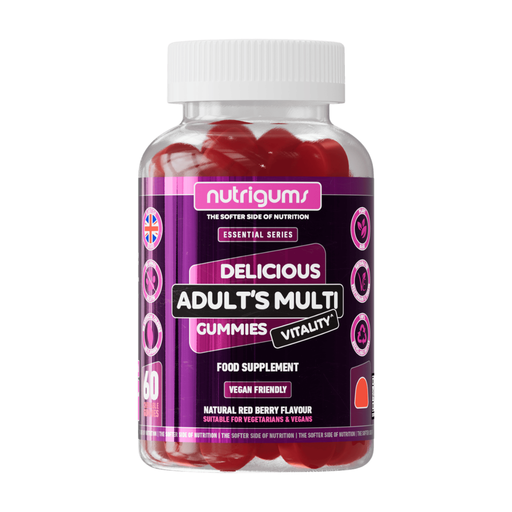
Why This Fits Their Persona: A once-daily gummy format provides a straightforward starting point for adults who want broad nutritional coverage without swallowing capsules.
The label states one gummy daily and lists 12 nutrients, making the serving requirement easier to compare with larger multi-dose packs.
Vegan, pectin-based gummies with vitamins A, C, D3, E and B vitamins; listed as free from gluten, dairy, soya and nuts.
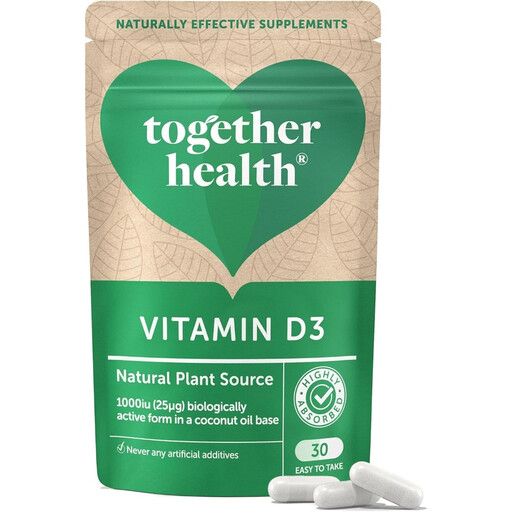
Why This Fits Their Persona: Suitable for adults seeking plant-based vitamin D3 in a compact capsule, particularly during periods when UK sunlight is limited.
It identifies the source as lichen-derived D3 and states the amount clearly: 25µg, or 1,000 IU, per capsule.
Vegan capsule using a coconut oil base; one capsule daily and 500% of the listed UK NRV for vitamin D3.

Why This Fits Their Persona: A practical option for adults and those aged 13 and over specifically comparing higher-strength magnesium capsules for everyday nutritional support.
The listing states 300mg of magnesium per capsule and identifies the source as marine magnesium, rather than relying only on a vague “high strength” description.
One-capsule daily format; vegan and vegetarian formula without artificial colours or preservatives.
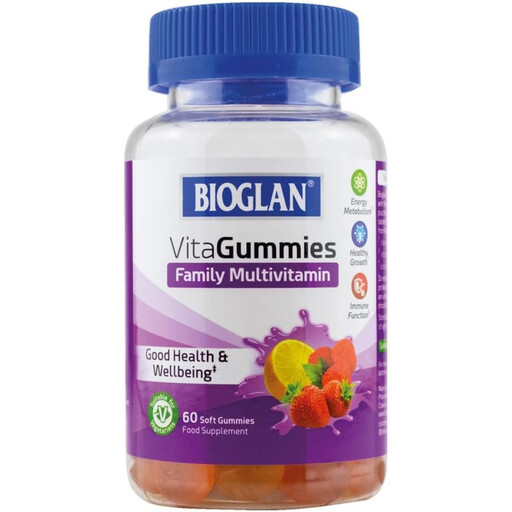
Why This Fits Their Persona: A family-oriented option for households wanting one gummy product with age-based guidance for adults and children aged four and over.
Its listing separates dosage by age group, helping parents avoid assuming that children and adults should take the same amount.
Includes vitamins D3, C, E, B vitamins, folic acid, biotin and iodine; uses pectin and natural fruit flavours.
We have compiled a complete, real-time list of products that fully satisfy these strict selection criteria and UK safety regulations.
Look for vegan certification or clear plant-based wording on both the active ingredient and capsule or gummy shell. Lichen-derived vitamin D3, pectin gummies, vegetable cellulose capsules and plant-based B12 are examples found in relevant product listings. Always check the current packaging, as formulations can change.
Sometimes, but compare labels first. A multivitamin may already contain vitamin D, magnesium, zinc or vitamin C. Add the amounts from every supplement and follow each product’s recommended intake. Ask a pharmacist or GP for individual guidance if you are pregnant, breastfeeding, taking medication or managing a medical condition.
Gummies can be easier to chew and may suit people who dislike swallowing tablets. However, they can contain sugar, sweeteners or allergens and may require two servings per day. Tablets, capsules and effervescent vitamin tablets may offer different nutrient strengths or lower ingredient volume. Choose the format you can use consistently and store safely.
Food supplements should complement a varied, balanced diet rather than replace it. Check the label, dosage, allergen information and storage instructions before purchase and use. Product formulations and packaging may change, so confirm the details supplied with your order.