
24/7 全天候客户支持

免费退货

当日/次日达

品质保障

开启新人专享福利: 全场免邮 | 低至 2 折 | 免费试用 30 天 JoyPlus 会员
下载 Joybuy
Choosing daily wellness supplements can feel straightforward until you compare dosage sizes, ingredient lists, dietary suitability and age restrictions. A colourful gummy may be convenient, while a high-strength capsule may contain more nutrients than you need. The right choice depends on your diet, routine and specific nutritional priorities rather than the most persuasive packaging.
A product containing numerous vitamins and minerals is not automatically appropriate for everyone. Taking several multivitamins, vitamin D3 supplements or energy products together can result in duplicated nutrients. Check the amount per recommended serving and compare it with other supplements already in your cupboard.
Look for the UK Nutrient Reference Value (NRV) where provided. This gives a practical comparison point, although it does not replace personalised medical advice.
These terms describe only part of a product. A vegan supplement may still contain iodine, botanicals or high-dose nutrients that require extra care. A sugar-free effervescent tablet may use sweeteners, while vitamin gummies can contain sugar or syrups.
Read the full ingredient and allergen information. For example, some capsules use gelatine, some formulas contain soya and certain liquid iron supplements contain barley or sulphites.
The most suitable supplement is one you can take correctly and consistently. Powders require accurate measuring and sufficient liquid. Effervescent tablets must be dissolved before drinking. Gummies should be chewed rather than swallowed whole, and liquid products may require refrigeration after opening.
Age suitability is also important. A family multivitamin for children aged four and over is not interchangeable with an adult-only high-strength formula.
Compare the daily serving, not just the quantity of tablets or gummies in the pack. A 60-gummy product may provide 30 days of use if the recommended serving is two gummies daily.
Check key nutrients according to your intended use:
Vegans and vegetarians should check both active ingredients and capsule materials. Plant-based products may use pectin or vegetable cellulose, whereas softgels and traditional capsules can contain gelatine.
Common details worth checking include milk, soya, barley, gluten, sulphites and nuts. “Free from” information is useful, but always read the current product label because formulations and packaging can change.
Many supplements are intended for adults only. Products containing iron, iodine, magnesium, vitamin K or botanical ingredients may not suit everyone, particularly people who are pregnant, breastfeeding, taking prescription medicines or managing a medical condition.
Do not use supplements as a replacement for a varied diet. If you have a diagnosed deficiency or ongoing symptoms, speak with a GP or pharmacist before choosing a high-strength product.
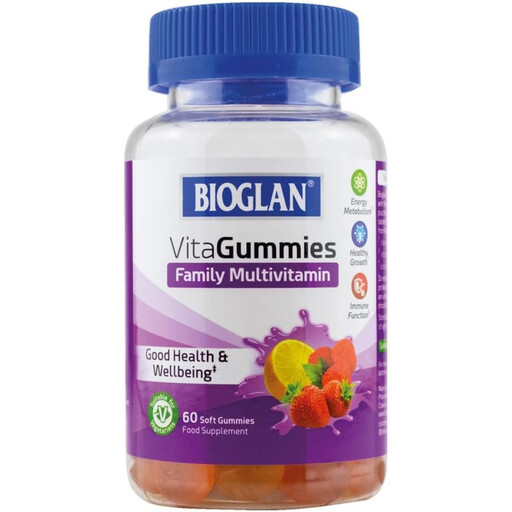
Why This Fits Their Persona: One family-oriented format can be practical for households needing a straightforward daily multivitamin for adults and children aged four and over.
The product provides age-based directions, making it easier to avoid treating an adult serving as suitable for younger users.
Fruit-flavoured gummies provide vitamins D3, C, E, B vitamins, folic acid, biotin and iodine in a portable format.
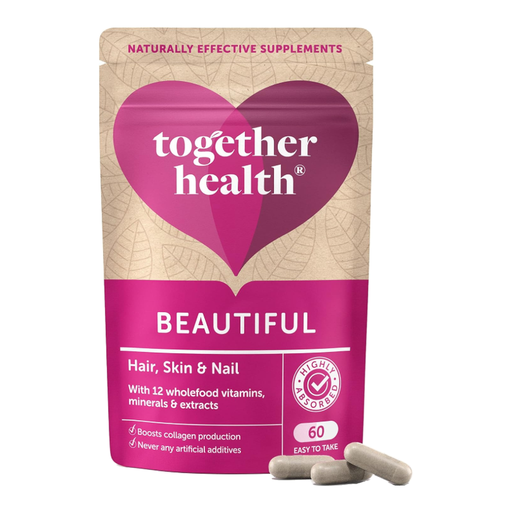
Why This Fits Their Persona: Adults seeking a plant-based beauty-support formula may appreciate its vegetable capsules and whole-food ingredient approach.
Its label identifies the two-capsule serving and lists nutrients alongside hyaluronic acid and silica, rather than relying only on general beauty language.
The formula includes biotin, vitamin C, zinc, selenium, vitamin E, magnesium, hyaluronic acid and silica; it is listed as vegan.
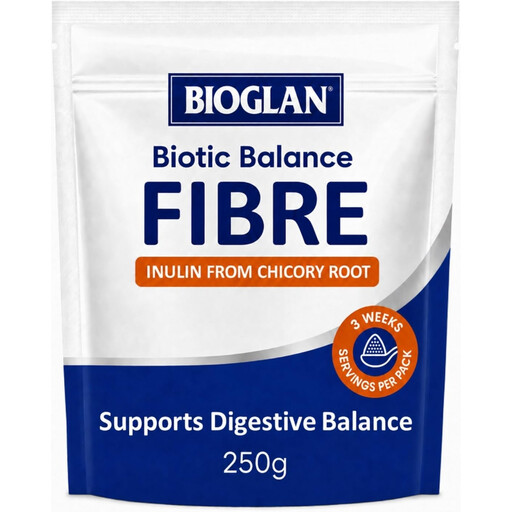
Why This Fits Their Persona: Adults increasing fibre intake or pairing prebiotic fibre with probiotic gummies may prefer a flexible powder that mixes into drinks and food.
The label gives a 5g starting serving, a stated 15g maximum and advice to increase gradually, helping users manage the format responsibly.
Single-ingredient chicory root inulin; vegan, gluten-free and soya-free, with no added flavouring.
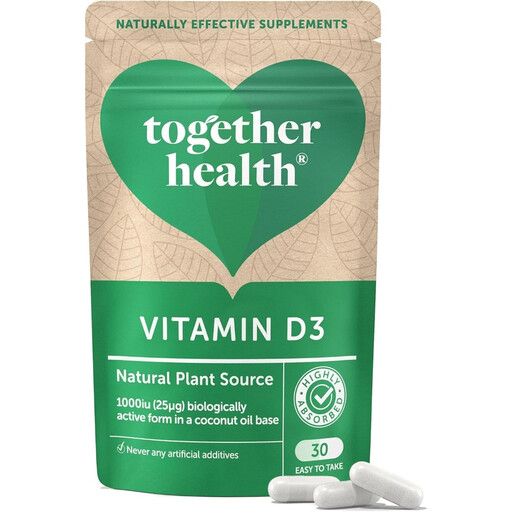
Why This Fits Their Persona: Vegan and vegetarian adults looking for a simple vitamin D supplement can take one capsule daily alongside a meal.
The source is identified as lichen-derived D3, helping shoppers distinguish it from lanolin-derived products.
Each capsule provides 25 micrograms of vitamin D3 and uses a vegetable capsule with coconut oil.
We have compiled a complete, real-time list of products that fully satisfy these strict selection criteria and UK safety regulations.
Shelf life varies by product and packaging. A 30-capsule product generally provides 30 daily servings, while a 60-gummy pack may provide fewer days if two gummies are required daily. Check the best-before date and follow storage instructions. Some liquids must be refrigerated after opening, while dry capsules and powders usually need a cool, dry place.
You may duplicate nutrients when combining multivitamins, iron supplements, magnesium supplements, vitamin gummies and energy and immunity support products. Compare labels before combining them, particularly for iron, vitamin D, iodine, zinc and fat-soluble vitamins. Ask a pharmacist or GP for guidance if you take medicines or have a health condition.
Gummies can be easier to include in a routine, but they may contain sugar, sweeteners or a narrower range of nutrients. Capsules often provide more concentrated formulas, while powders can offer adjustable serving sizes. Choose the format you can use accurately and consistently, then follow the product label rather than marketing claims.