
24/7 Customer Support

Free returns

Same-day & Next-day Delivery

Quality Guaranteed

Unlock Your Welcome Offers: FREE Delivery | Up to 80% OFF | Free 30-day JoyPlus trial
Download the APP
Choosing daily wellness supplements can seem straightforward until you compare multivitamins, immune support supplements, vitamin D3 supplements, probiotics, gummies and powders. Labels often use broad phrases such as “complete support” or “high strength”, but these descriptions do not always tell you whether a product suits your age, diet, routine or existing medication.
This guide from the Joybuy Product Recommendation Officer focuses on the details that matter before you buy, including dosage, ingredient overlap, dietary suitability and storage.
A higher percentage of the Nutrient Reference Value (NRV) is not necessarily a reason to choose one product. Combining a multivitamin with separate zinc supplements, vitamin D3, iron or immune support supplements can result in unnecessary duplication.
For example, a multivitamin may already contain vitamin C, vitamin D, zinc and iron. Check the full nutrition panel before adding another product. Iron supplements deserve particular care because they are not suitable for everyone and should not be used as a replacement for prescribed treatment.
Capsules may suit adults who want a simple one-a-day option, while chewable vitamin gummies, liquid vitamins or stick packs may be easier for people who dislike swallowing tablets. However, gummies can contain sugar and must be kept away from young children. Liquid probiotics may require refrigeration after opening, which can make them less convenient for travel.
A product you can take consistently is generally more practical than one with an attractive label but an inconvenient serving method.
Terms such as “advanced”, “natural”, “high absorption” or “detox” describe positioning rather than a guaranteed personal result. Look instead for measurable information: the amount per serving, the named nutrient form, the number of servings, allergen information and clear age guidance.
Always read the packaging supplied with the product. Formulations, instructions and availability can change.
Compare the per-serving amount, not just the front-of-pack headline. A “one-a-day” product may still require two gummies or a 70ml liquid shot.
Check whether the formula contains nutrients you already take. Common overlaps include:
Do not exceed the stated daily serving. If you are pregnant, breastfeeding, taking prescribed medicines or managing a health condition, ask a healthcare professional or pharmacist before use.
Vegans and vegetarians should check the capsule shell, vitamin source and added ingredients. Some omega-3 supplements use fish oil and gelatine, whereas algae-based vegan supplements use a plant source. Gummies may use pectin or gelatine.
Also check for soy, fish, barley, sulphites and coconut. “Gluten-free” or “dairy-free” wording should be confirmed on the current product label, particularly where ingredients or manufacturing processes may change.
Calculate the cost per day by dividing the price by the number of daily servings. A 60-gummy bottle taken at two gummies per day provides 30 days, not 60.
Storage can affect convenience. Some liquid vitamins and probiotic supplements need refrigeration after opening, while capsules and powders generally need a cool, dry place. Keep all supplements out of sight and reach of children, especially products containing iron or concentrated vitamin D.
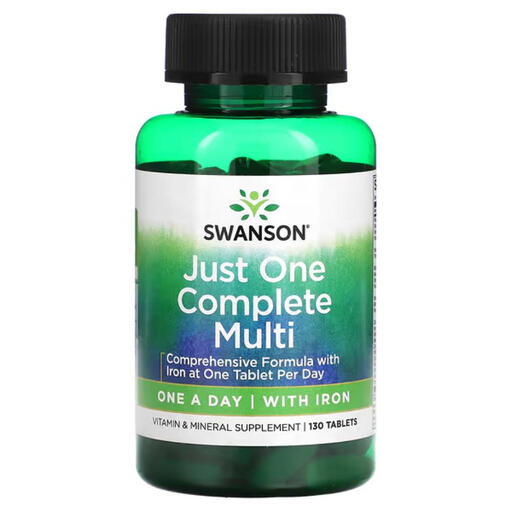
Why This Fits Their Persona: A one-tablet daily format and 130-tablet pack may suit adults seeking broad nutritional coverage without buying several separate products.
The label lists each nutrient and confirms a maximum of one tablet daily, making overlap easier to check. It should not be combined with other iron or multivitamin products unless advised.
One tablet per day; 130 tablets; includes vitamins, minerals and 27mg iron per serving.
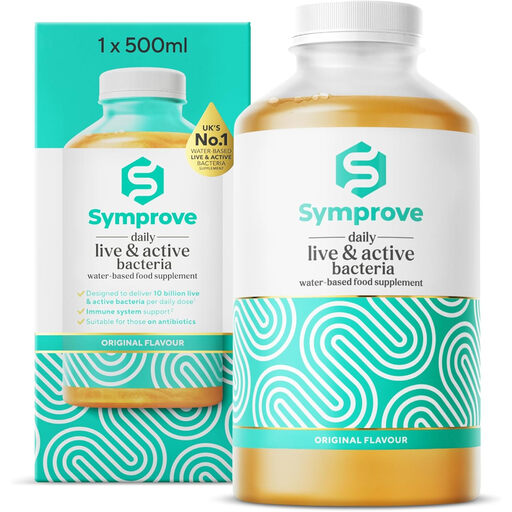
Why This Fits Their Persona: Adults who prefer a liquid morning ritual and are looking for a vegan, dairy-free probiotic format may find this easier than capsules.
The serving is clearly stated as 70ml, rather than an unclear capsule count. It requires refrigeration after opening, so buyers can judge whether the routine is realistic.
Water-based liquid; four named bacterial strains; vegan and dairy-free positioning.
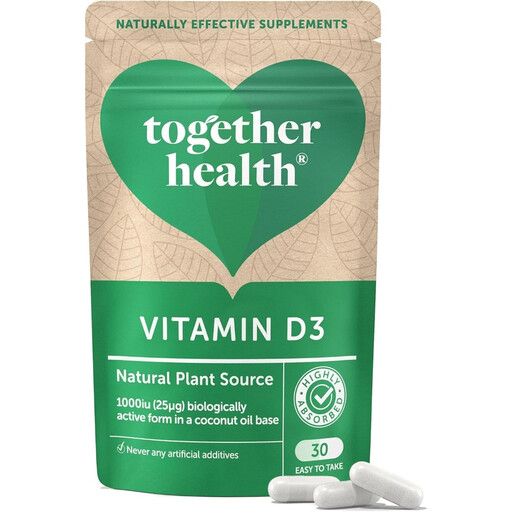
Why This Fits Their Persona: Adults following vegan or plant-based diets can choose a capsule made with lichen-derived vitamin D3 and a vegetable capsule shell.
The source and capsule materials are specified, avoiding the common mistake of assuming every vitamin D3 supplement is vegan.
25μg vitamin D3 per capsule; plant-based source; one capsule daily.
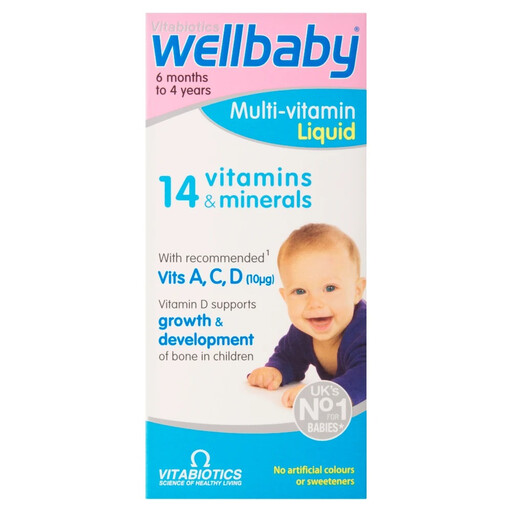
Why This Fits Their Persona: The liquid format is designed for infants aged 6 months to 4 years, with separate 2.5ml and 5ml instructions for different age ranges.
The age range and measuring-syringe instructions are explicit. It contains barley, so the allergen declaration must be checked before purchase.
14 vitamins and minerals; measured liquid serving; includes vitamins A, C and D plus iron and zinc.
We have compiled a complete, real-time list of products that fully satisfy these strict selection criteria and UK safety regulations.
This depends on the serving size. A 30-capsule pack taken once daily lasts 30 days. A 60-gummy pack requiring two gummies per day also lasts 30 days. Liquid products may last fewer or more days depending on the stated millilitre serving. Check the use-by date and storage instructions after opening.
They are not a substitute for a varied diet and healthy lifestyle. Some people choose supplements because of dietary preferences, limited food choices or difficulty taking tablets. Vitamin D is also commonly considered in the UK, particularly during periods of limited sunlight, but individual needs vary. Ask a pharmacist or GP if you are unsure.
Sometimes, but only after checking the combined ingredients and dosage. Avoid automatically combining multivitamins with separate vitamin D3 supplements, zinc supplements, iron supplements, omega-3 supplements or immune support products. If you take medicines, are pregnant or breastfeeding, or have a medical condition, seek professional advice first.