
24/7 Customer Support

Free returns

Same-day & Next-day Delivery

Quality Guaranteed

Unlock Your Welcome Offers: FREE Delivery | Up to 80% OFF | Free 30-day JoyPlus trial
Download the APP
Busy routines, limited sunlight and irregular meals can make daily wellness supplements UK shoppers consider a convenient way to fill nutritional gaps. However, a colourful label does not automatically mean a suitable formula. The right choice depends on your age, diet, existing supplements, preferred format and any medical advice you have received.
This guide explains the common buying traps, the specifications worth checking and which types of products may suit different households.
A higher figure is not automatically more appropriate. Some products provide several hundred per cent of a nutrient reference value, while others offer a more moderate daily amount. This is particularly important with vitamin D3 supplements, zinc, iron and vitamin C.
Check the amount per serving, not just the front-of-pack wording. Also calculate the combined intake if you already use multivitamins, immune support supplements or fortified foods.
Words such as “natural”, “advanced” and “maximum absorption” can distract from the details that matter. Look for the complete ingredient list, allergen information, capsule or gummy materials and storage instructions.
For example, a vegan formula may use plant-based vitamin D3, while another product may contain animal-derived ingredients. A liquid may be easier to take, but it may also contain sugar and require refrigeration after opening.
Adult multivitamins are not interchangeable with children’s vitamins. Products may have different nutrient levels, dosage instructions and minimum ages. A supplement suitable for a teenager may not be suitable for a toddler, and a high-strength product may not be appropriate without professional guidance.
Always follow the product label and keep supplements out of children’s sight and reach.
Review the per-serving amount, recommended daily intake and number of servings. Common nutrients include vitamin C, vitamin D, zinc, iron and B vitamins, but the formula may also contain herbal extracts or additional ingredients.
If you take an iron-containing multivitamin, avoid automatically adding a separate iron product. The same applies to high-strength zinc, vitamin D3 supplements and vitamin C supplements. If you take prescribed medicines, are pregnant or breastfeeding, or have a health condition, ask a pharmacist or healthcare professional before use.
Tablets, capsules, gummies, liquids, powders, sachets and probiotic supplements all suit different routines:
A product that fits your daily habit is more practical than one with a complicated routine you are unlikely to maintain.
Vegans and vegetarians should check capsule shells, vitamin D3 sources, gelatin and any hidden animal-derived ingredients. For example, pectin is commonly used in vegetarian gummies, while some capsules use gelatin.
Also look for allergens such as barley, wheat, celery, soya, fish or coconut. “Free from” statements apply to the listed product information, so check the latest packaging before buying.

Why This Fits Their Persona: A one-tablet-per-day adult multivitamin for shoppers seeking a straightforward daily nutritional support routine with a larger 130-tablet pack.
Its label clearly lists vitamins, minerals and 27mg of iron per tablet, making it easier to check overlap before purchase.
One-tablet dosage; 130-tablet format; includes vitamin D, vitamin C, zinc and iron.
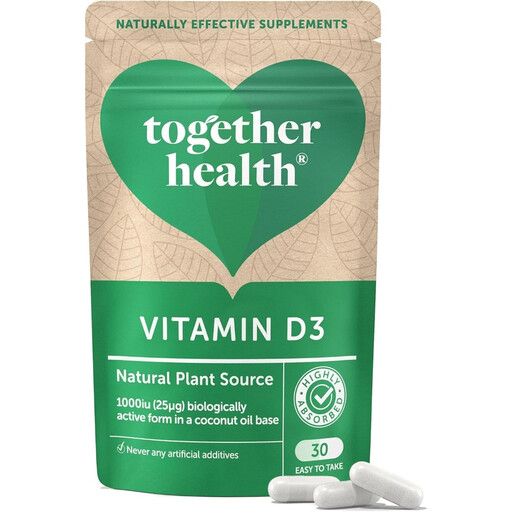
Why This Fits Their Persona: A vegan-friendly choice for UK adults who prefer a plant-based vitamin D3 source and a short, one-capsule daily routine.
The product information identifies lichen as the vitamin D3 source and vegetable cellulose as the capsule material.
25µg vitamin D3 per capsule; vegan and cruelty-free positioning; coconut oil base.
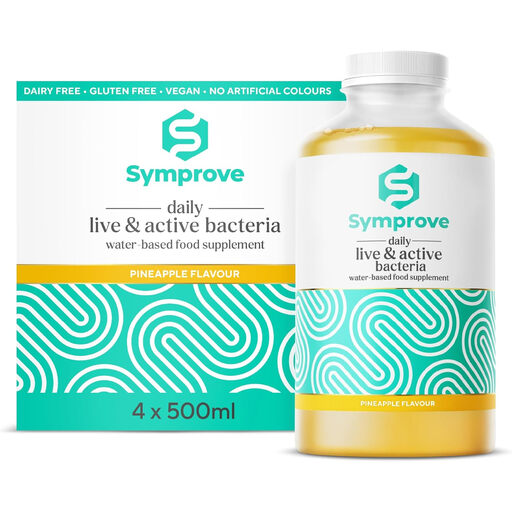
Why This Fits Their Persona: A four-week liquid option for adults and children seeking a dedicated gut-health routine, including those who prefer vegan and dairy-free formats.
The label states the serving size, named bacterial strains, storage requirements and barley allergen information.
70ml daily serving; at least 10 billion CFUs stated per shot; gluten-free grains, dairy-free and vegan positioning.
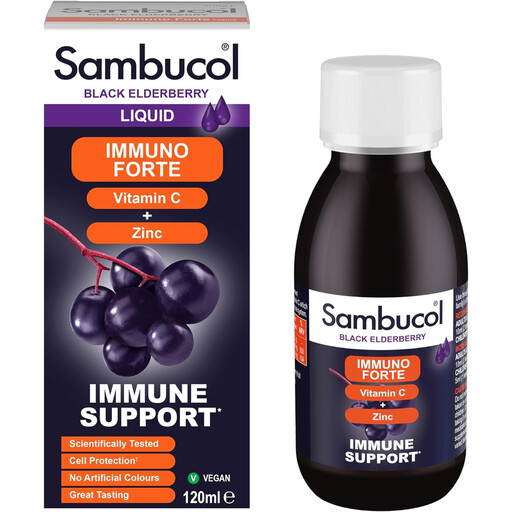
Why This Fits Their Persona: A raspberry-flavoured liquid for adults and children over four who find capsules inconvenient and want a clearly measured format.
Its label specifies the liquid serving sizes, age suitability and amounts of black elderberry juice, vitamin C and zinc.
120ml liquid format; includes vitamin C and zinc; suitable for adults and children over four.
We have compiled a complete, real-time list of products that fully satisfy these strict selection criteria and UK safety regulations.
Families may prefer dedicated children’s vitamins rather than sharing an adult formula. Vitabiotics Wellkid Immune Chewable Tablets are listed for children aged 4–12, while Wellbaby Multivitamin Liquid is listed for infants and toddlers aged 6 months to 4 years. Follow the stated age range, use the supplied measure where applicable and avoid combining products unless advised.
For vegans, compare vegan vitamins by checking vitamin D3 source, capsule shell and flavouring ingredients. For bone and muscle support, review the vitamin D amount and do not assume that a higher dose is necessary.
This depends on the pack size and serving instructions. A 30-capsule product taken once daily provides approximately one month, while a 60-gummy pack provides around two months at one gummy per day. Liquids and probiotics may have shorter periods after opening, so check the storage section on the label.
You may be able to, but compare the nutrient panels first. Combining multivitamins with separate vitamin D3 supplements, vitamin C supplements or zinc can increase your total daily intake. Ask a pharmacist or healthcare professional if you are unsure, particularly when taking medication.
No. Food supplements are intended to complement a varied, balanced diet and healthy lifestyle. Choose products to address a practical dietary preference or routine, rather than relying on them to replace regular meals or professional medical care.