
24/7 Customer Support

Free returns

Same-day & Next-day Delivery

Quality Guaranteed

Unlock Your Welcome Offers: FREE Delivery | Up to 80% OFF | Free 30-day JoyPlus trial
Download the APP
Choosing daily wellness supplements UK shoppers can rely on is not simply a matter of picking the highest dose or the largest bottle. The right product depends on age, diet, lifestyle, format, allergens and whether you need broad nutritional coverage or a single nutrient.
Marketing can make this confusing. A colourful label may highlight “immune support”, while hiding a high dose, unsuitable ingredient or serving restriction in the small print. This guide explains what to check before buying and presents our top recommendations for different shopping needs.
More is not always more practical. A multivitamin may already contain vitamin D, zinc or iron, so adding separate vitamin D3 supplements, zinc supplements or iron products could create unnecessary overlap. Check the amount per serving and compare it with other supplements in your routine.
Terms such as “immune defence”, “detox” and “antioxidant protection” are not a substitute for checking the actual formula. Look for the named nutrient, its quantity and the permitted nutritional information on the pack. For example, vitamin C and zinc contribute to normal immune system function, while vitamin D contributes to the normal function of the immune system.
A children’s liquid is not interchangeable with an adult tablet. Similarly, fish oil is unsuitable for people avoiding fish, and a probiotic cultured on milk medium may not suit someone with a milk allergy. Check whether a product is suitable for vegans, vegetarians, children, pregnancy or ongoing medication before ordering.
Start by deciding whether you need a general formula or a targeted supplement:
Do not combine several products containing the same nutrient without checking the total daily intake. Follow the label and ask a pharmacist or GP for advice if you take medicines or have a health condition.
Capsules suit adults who prefer a quick routine, while liquids may be easier for infants and young children. Gummies and powder sachets can be convenient, but they may contain sweeteners, sugar or flavourings. A one-capsule serving may also be easier to maintain than a product requiring several doses per day.
Look for clear statements such as vegan, vegetarian, halal or allergen-free, but still read the full ingredient list. For example, a vegetable capsule does not always mean the entire product is free from all animal-derived ingredients. Pay attention to:
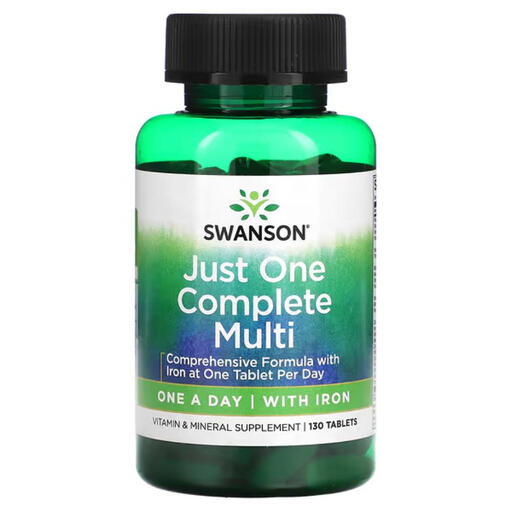
Why This Fits Their Persona: One tablet per day and a 130-tablet pack make this a straightforward option for adults seeking broad daily vitamin and mineral coverage.
The label lists each nutrient and serving amount, helping shoppers check the added iron before combining it with another multivitamin.
One tablet daily; 130 tablets; includes iron, vitamin D, vitamin C, zinc and several B vitamins.
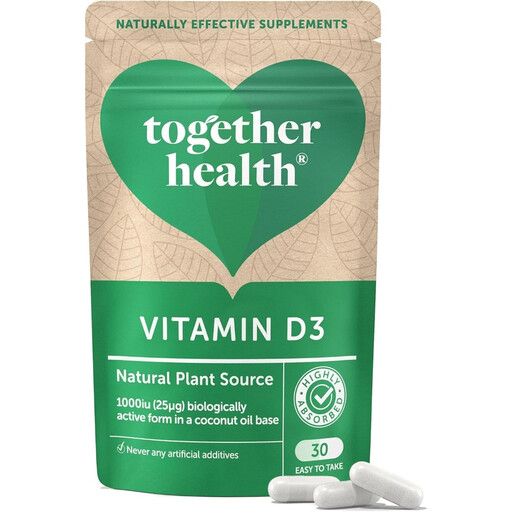
Why This Fits Their Persona: Suitable for adults following a vegan or vegetarian lifestyle who want a clearly identified plant-based vitamin D3 source.
The ingredient list identifies lichen-derived D3 and a coconut oil base, rather than leaving the source unclear.
25 micrograms of vitamin D3 per capsule; vegetable capsule; lichen source.
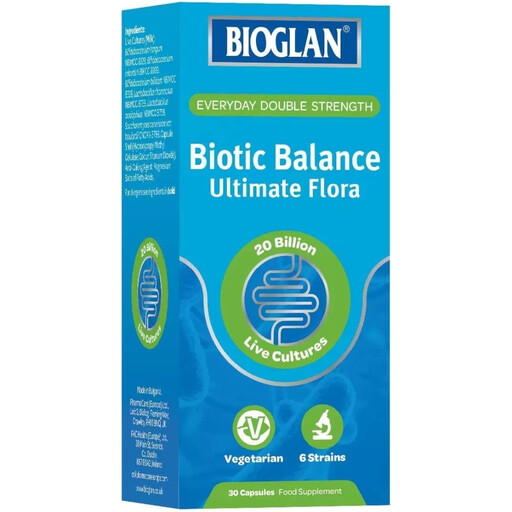
Why This Fits Their Persona: Adults seeking a shelf-stable probiotic may appreciate the one-capsule format and room-temperature storage requirement.
It specifies six named strains, 20 billion CFU per capsule and a milk-derived culture medium, allowing a more informed suitability check.
20 billion live cultures; six named strains; no refrigeration required before expiry when stored as directed.
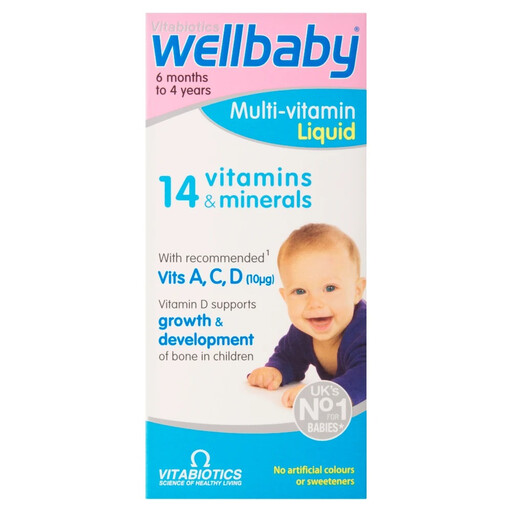
Why This Fits Their Persona: The age-specific liquid format is designed for infants and toddlers, with a supplied measuring syringe for more controlled serving sizes.
The label gives separate doses for 6–12 months and 1–4 years, and warns against combining it with another multivitamin or mineral product.
14 vitamins and minerals; liquid format; includes vitamins A, C and D, iron and zinc; contains barley.
We have compiled a complete, real-time list of products that fully satisfy these strict selection criteria and UK safety regulations.
Depending on your routine, you may also want to compare women’s multivitamins, children’s vitamins, vegan supplements, antioxidant supplements, elderberry supplements and omega-3 products. A women’s formula may include iron and vitamin K, while omega-3 capsules should clearly state EPA and DHA content. Elderberry liquids may be easier for families, but check sugar, age guidance and serving limits.
For people following a plant-based diet, look for vegan capsules and plant-derived vitamin D3. Iron and zinc can also be found in vegan formats, although the dose and suitability still need checking.
The lifespan depends on the serving instruction and pack size. A 30-capsule bottle usually provides around one month at one capsule per day, while a 130-tablet bottle lasts longer. Always use the product before its stated best-before date and follow storage instructions.
Only combine products after checking for overlapping nutrients. A multivitamin may already contain vitamin D, iron, zinc or vitamin C. If you take prescription medicines, are pregnant or breastfeeding, or have a medical condition, ask a healthcare professional before starting a new supplement.
No. Food supplements are intended to complement a varied, balanced diet and healthy lifestyle. Follow the recommended dosage, keep products away from children and check the label whenever ingredients or packaging may have changed.