
24/7 Customer Support

Free returns

Same-day & Next-day Delivery

Quality Guaranteed

Unlock Your Welcome Offers: FREE Delivery | Up to 80% OFF | Free 30-day JoyPlus trial
Download the APP
The world of dairy-free drinks has expanded far beyond a single carton of soya milk tucked away in the supermarket. Whether you're vegan, lactose intolerant or simply exploring new flavours, the sheer variety can be overwhelming. But with this choice comes a new set of shopping challenges. It's easy to end up with a plant-based milk that curdles in your coffee or a "healthy" drink that's packed with sugar.
As a Joybuy Product Recommendation Officer, my role is to help you navigate the options and find the right product for your needs. Before you add anything to your basket, let's look at a few common pitfalls that can lead to a disappointing purchase.
To avoid these issues, focus on a few key details on the product label. This simple check can save you from wasting money on a drink that doesn't suit your purpose.
Always scan the ingredients. Look for the sugar content per 100ml; anything over 5g is considered high for a daily drink. The protein content is also important, especially for satiety and for creating stable foam in coffee—higher protein (over 2.5g/100ml) often performs better. Additives like stabilisers (e.g., Gellan Gum) and acidity regulators (e.g., Dipotassium Phosphate) are not necessarily bad; they are often crucial for preventing separation and ensuring a smooth texture, particularly in oat milk for coffee.
The formulation of a dairy-free drink is tailored to its primary use.
Your choice of format affects convenience and storage.
To help you choose, we've matched some popular products to different user needs, showing how they solve the common pitfalls.

Why This Fits Their Persona: This user wants to replicate their favourite café's lattes and cappuccinos at home. They need a reliable oat milk that won't let them down when steamed.
It sidesteps the "Barista-Blend Mirage" by being specifically formulated with an acidity regulator (dipotassium phosphate) to prevent splitting in hot coffee and a fat content that creates a lasting, smooth microfoam.
Its primary advantage is consistent performance. It steams predictably and its neutral, creamy flavour complements coffee rather than overpowering it.

Why This Fits Their Persona: This person prioritises nutrition. They want a versatile, everyday dairy alternative without hidden sugars and appreciate the benefits of added vitamins and high plant protein.
It directly counters the "Healthy Halo" trap. With 0.0g of sugars per 100ml, its nutritional information is transparent and aligns with a low-sugar diet. It delivers on its health-oriented promise.
It offers a high protein content (3.3g/100ml) for a plant milk, making it more satiating. It's also fortified with Calcium and Vitamins B2, B12 and D.
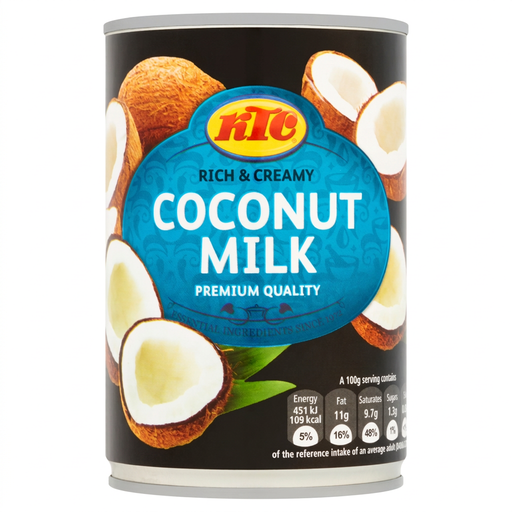
Why This Fits Their Persona: This home cook is passionate about making authentic dishes, from Thai green curries to Caribbean rice and peas. They need a rich, creamy ingredient, not a beverage.
This product avoids the "One-Size-Fits-All" myth. It is explicitly a cooking ingredient, not a drink. Its high coconut extract content (54.55%) provides the necessary richness that a dilute coconut beverage cannot.
Its key advantage is its versatility and authenticity in the kitchen. It's a pantry staple that delivers a creamy texture and tropical flavour to a wide range of savoury and sweet recipes.
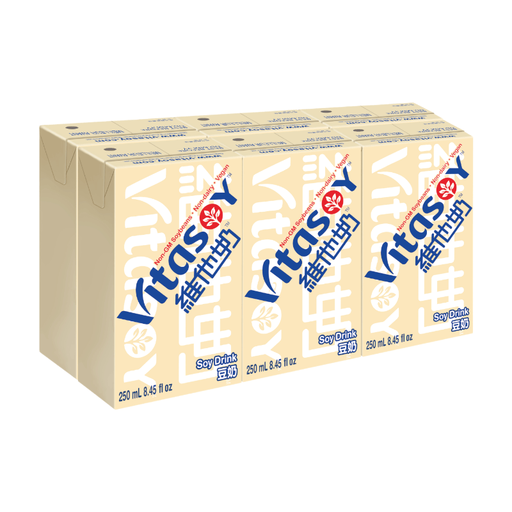
Why This Fits Their Persona: This person needs a quick, easy and tasty drink for packed lunches, post-gym refreshment or a simple snack. They value convenience and a classic, reliable flavour.
It's a straightforward product that doesn't pretend to be anything else. It's a classic ready-to-drink soya milk, a popular type of Asian drinks, not a complex barista blend or a cooking ingredient.
The main advantage is convenience. The 250ml multi-pack format is perfectly portioned for individual servings, making it easy to grab and go. It offers an authentic, mellow soya flavour.
We have compiled a complete, real-time list of products that fully satisfy these strict selection criteria and UK safety regulations.
No, it's not recommended. Standard plant milks, especially those with lower fat or protein content, often curdle or split when added to hot, acidic coffee. For the best results, always choose a "barista edition" drink, as these are specifically formulated with acidity regulators and the right fat content to remain stable and create foam.
Canned coconut milk is a cooking ingredient. It has a very high percentage of coconut extract, making it thick and creamy, perfect for curries, soups and desserts. Carton coconut milk is a beverage. It is much more diluted with water, has a thinner consistency and is designed for drinking, pouring on cereal or adding to smoothies. Using one in place of the other will lead to disappointing results.
Not necessarily. The UHT (Ultra-High Temperature) process used to make long life milk alternatives is a brief, high-heat treatment that makes the product shelf-stable. While it can cause a very minor reduction in some heat-sensitive vitamins, most major brands fortify their drinks with vitamins (like D, B2 and B12) and calcium after this process, ensuring their nutritional profile remains robust. Always check the label for fortification.