Parents hosting a mixed-diet party
Ask about each guest’s allergens before choosing drinks. A dairy-free option is not automatically suitable for a child who must avoid soya.


A dairy-free soya drink is an option for a party guest only when their parent confirms they can have soya and the current carton meets their allergy requirements. For a child who must avoid soya, use a parent-confirmed alternative instead. If the drink will also be a child’s regular milk alternative, check its calcium and iodine fortification; infant feeding and medically managed diets need the child’s individual plan.
Ask about each guest’s allergens before choosing drinks. A dairy-free option is not automatically suitable for a child who must avoid soya.
If a plant drink is part of your child’s usual diet, compare the exact carton’s calcium and iodine fortification rather than assuming all soya drinks have the same composition. Black Country 0–18 Years NHS guidance highlights both nutrients when choosing plant alternatives.
Follow the child’s parent-confirmed requirements and check the current label, including any precautionary allergen information. Food Standards Agency research cautions that a vegan label alone does not establish suitability for someone with a food allergy.
Confirm each child’s allergy requirements before comparing cartons; then consider age, how the drink will be used and the label details that matter for that use.
| Priority | What to check | Your needs |
|---|---|---|
| Allergens | Read the current ingredients and allergen information for soya and milk. Check precautionary statements against the child’s parent-confirmed requirements; do not rely on a vegan claim alone. | I need a drink that fits each guest’s allergy requirements. If a child must avoid soya, I’ll serve their parent-confirmed alternative instead. |
| Age and intended use | Check any age statement and ask the parent what the child normally drinks. Frimley HealthierTogether NHS guidance says plant drinks should not be a baby’s main milk drink before one year of age. | For a baby or a child on an individual feeding plan, I’ll follow the parent’s instructions rather than choose an ordinary party drink on their behalf. |
| Fortification | For regular use as a milk alternative, compare added calcium and iodine on the exact carton. Black Country 0–18 Years NHS guidance specifies at least 120 mg calcium per 100 ml and iodine when selecting plant alternatives for children. | If my child regularly drinks a plant alternative, its nutrient information matters beyond this one party serving. |
| Sugars and flavour | Compare sugars per 100 ml on the nutrition panels. Check the product’s flavour and do not treat “no added sugar” as a substitute for reading the sugars figure. | I’d like a flavour the children are expecting, and I want to compare drinks using the same per-100-ml measure. |
| Serving | Check the pack quantity and its storage instructions, including what to do after opening. Keep the original carton available so parents can inspect its label. | I need enough of the confirmed drink for the guests who can have it, without mixing up cartons during serving. |
Food Standards Agency research cautions that vegan products may be unsuitable for people with food allergies to animal-origin ingredients. Soya is also an allergen in its own right.
Ask the parent what the child can have, then check the current carton’s allergen and precautionary information against those requirements.
A child instructed to avoid both milk and soya cannot be served a soya drink simply because it is dairy-free.
Confirm soya suitability in advance. Where it is unsuitable, arrange the parent-confirmed alternative and keep drinks separate while serving.
Ingredient lists and added nutrients differ between products. That distinction matters particularly when a drink is used regularly in place of milk.
Compare calcium and iodine on the exact pack for regular use; do not infer fortification from “soya” or “organic”.
Frimley HealthierTogether NHS guidance distinguishes using a plant drink in cooking from serving it as a main milk drink before the age of one.
For a baby or a child on a medically managed diet, follow the parent’s and healthcare professional’s feeding plan.
These examples show why the exact product matters: a brand or retailer name alone does not tell you whether a carton fits a child’s allergy requirements or regular use.
Alpro has No Sugars and Growing Up 1–3 soya drinks listed by UK retailers.
Sainsbury’s lists a long-life organic Plenish soya drink made with spring water and organic soybeans.
M&S lists sweetened and unsweetened soya drinks in its milk-alternatives range.
Tesco’s soya-drinks category includes own-label and Alpro formats, including a Growing Up product.
Waitrose lists Alpro Soya No Sugars as a long-life dairy-free drink.
These soya drinks are options to consider for party guests whose parents confirm they can have soya. Check each current pack before serving; none is a substitute for a parent-confirmed non-soya drink where soya must be avoided.
 No image available
A multipack to consider when the guests who will be served can have soya. The product name specifies eight 1L cartons; check the current cartons’ milk-related and soya allergen information, and compare calcium and iodine if the drink is also intended for a child’s regular use.
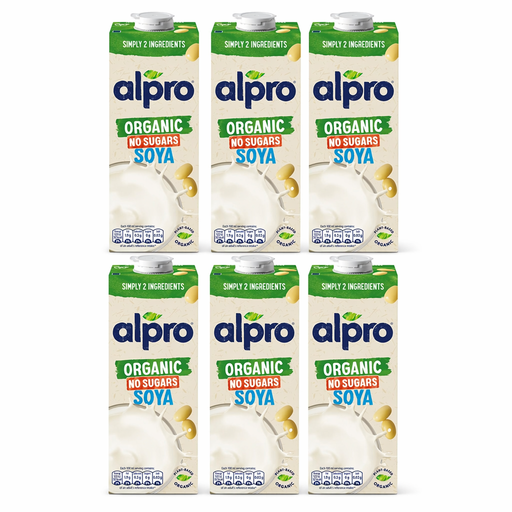 No image available
A soya-drink option only for guests whose parents confirm soya is suitable. Check the exact pack’s contents, sugars, fortification and allergen statements rather than inferring those details from the abbreviated product name.
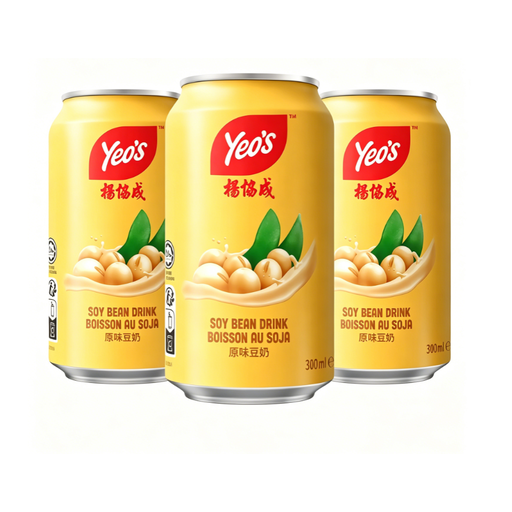 No image available
A 300ml soya-drink format to consider for guests who can have soya. Confirm the number of bottles in the pack before planning quantities, and check the current label for sugars, allergens and any fortification relevant to regular use.
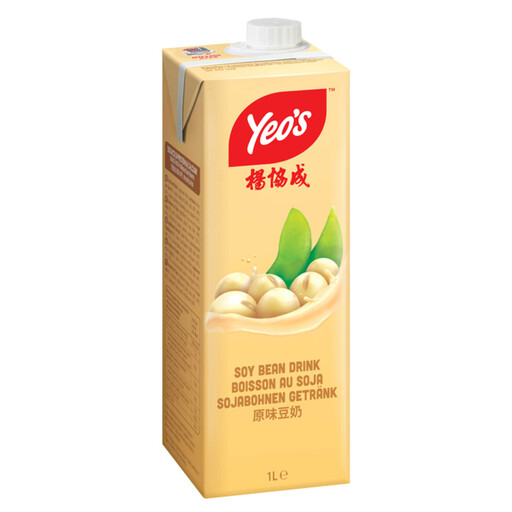 No image available
A 1L soya-drink format for guests whose parents confirm they can have soya. Read the current carton’s allergen, sugars and storage information; check calcium and iodine if it is being considered as a regular milk alternative.
A soya drink can be dairy-free, but that does not make it suitable for every child with an allergy: soya itself is an allergen. For a guest with milk allergy, follow their parent’s instructions and check the exact carton’s allergen and precautionary information.
No. Do not serve soya drink to a child with a soya allergy or an instruction to avoid soya. Ask parents about requirements before the party and keep the original carton available for label checks.
No. Food Standards Agency research cautions that vegan products may be unsuitable for people with food allergies and advises checking precautionary allergen information. The agency separately says that a product labelled “free-from milk” guarantees the absence of milk; still check the child’s other allergens and individual requirements.
Check the exact product’s fortification as well as its ingredients. Black Country 0–18 Years NHS guidance specifies calcium of at least 120 mg per 100 ml and iodine when choosing plant alternatives for children; a child’s individual feeding plan takes priority.
No. Frimley HealthierTogether NHS guidance says plant drinks may be used in cooking from six months but should not be the main milk drink until after one year. For an infant or a child on a prescribed allergy diet, follow the parent’s and healthcare professional’s feeding plan.