
24/7 Customer Support

Free returns

Same-day & Next-day Delivery

Quality Guaranteed

Unlock Your Welcome Offers: FREE Delivery | Up to 80% OFF | Free 30-day JoyPlus trial
Download the APP
Dryness, breakage, rough texture and frizz often appear together, particularly after bleaching, colouring, perming, frequent heat styling or exposure to damp UK weather. The right damaged and frizzy hair products can improve softness, manageability and surface smoothness, but buying based on attractive claims alone can lead to a routine that feels heavy, fails in humidity or leaves hair vulnerable to further damage.
This guide explains what to check before buying, then matches several options to different hair needs and shopping priorities.
Silicones, conditioning polymers and oils can make the hair surface feel smoother immediately. That is useful for detangling and styling, but it does not mean split ends or permanently weakened fibres have been restored. Look for a routine that combines cleansing, conditioning and protection rather than relying on one highly marketed serum.
Rich masks and oils may suit coarse, highly porous hair but leave fine or low-density hair flat and greasy. A lightweight leave-in conditioner, spray or serum may be more practical for everyday use. Always check whether the product is designed to be rinsed out, left in, or used only occasionally.
A stated heat-protection temperature is not a guarantee that hair cannot be damaged. It indicates the temperature referenced by the product information, often under particular usage conditions. Use the lowest effective setting, avoid repeatedly passing over the same section and ensure hair is fully dry where the tool requires it.
Build the routine around the problem you are trying to manage:
Using several products with the same heavy coating ingredients can cause build-up. Introduce one new item at a time and adjust the amount according to hair length and thickness.
For dry or brittle lengths, ingredients such as glycerin, panthenol, conditioning agents, argan oil and hydrolysed proteins may improve the feel of the hair. Protein-containing products can be useful for hair that feels weak or over-processed, although using too many protein treatments may make some hair feel stiff.
Silicones and film-forming polymers are not automatically a drawback. They can provide slip, reduce friction during combing and help protect the cuticle from moisture changes. If you prefer a silicone-free formula, confirm the full ingredient list rather than relying only on front-of-pack wording.
For sensitive scalps, check fragrance and listed allergens. Follow the label, avoid eye contact and stop using a product if irritation develops. Cosmetic products sold in the UK should carry appropriate usage, ingredient and responsible-person information; check the packaging for the latest details.
Humidity protection is particularly relevant in the UK, where rain and damp air can make porous hair swell and frizz. A product such as a heat-activated anti-frizz treatment may be more suitable for blow-dried styles, while a leave-in serum can offer more flexible daily use.
If you regularly use straighteners, curling wands or heated brushes, select heat protection hair products and pair them with sensible styling habits. Hair styling tools with adjustable heat settings are preferable to tools that operate at one fixed high temperature.
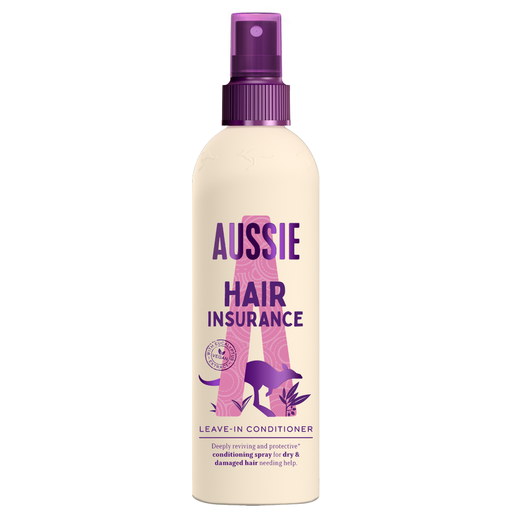
Why This Fits Their Persona: A straightforward starting point for adults who mainly struggle with knots, brushing and dry ends between wash days. It can be used on wet or dry hair without adding another rinse-out step.
Its spray format helps control dosage, reducing the risk of applying a heavy cream all over fine hair. Apply from mid-lengths to ends and comb through gently.
250ml size; suitable for wet or dry use; contains glycerin, amodimethicone and conditioning agents for slip and easier combing.
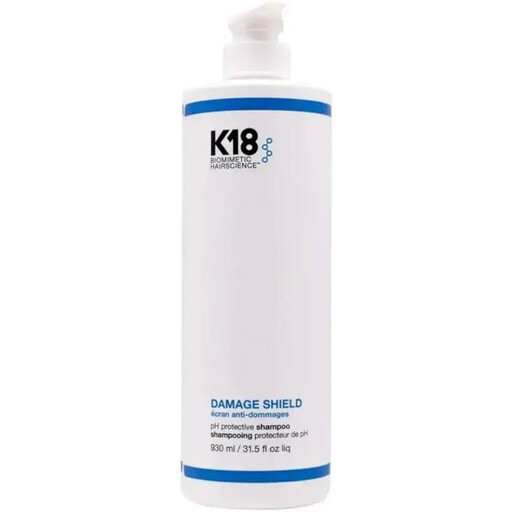
Why This Fits Their Persona: Suitable for shoppers wanting a large-format daily cleanser for damaged or chemically processed hair, especially when consistent maintenance matters.
The product information describes mild cleansing and maintenance rather than positioning it as a replacement for conditioner, mask or heat protection.
930ml capacity; includes panthenol, glycerin and sh-Oligopeptide-78; designed for regular scalp and hair cleansing.
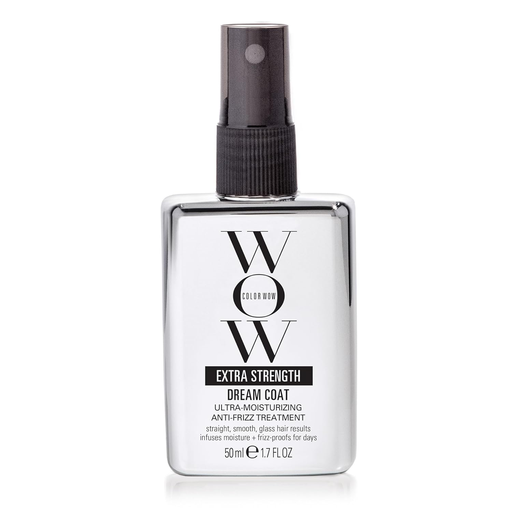
Why This Fits Their Persona: A practical option for frequent blow-dryers or anyone whose style quickly becomes frizzy during rainy or humid UK conditions.
Unlike a standard finishing oil, it is heat-activated and needs thorough blow-drying. Following the directions helps avoid expecting the same result from air-drying.
50ml travel-friendly format; heat-activated formula; product information specifies a protective barrier for humidity, static and flyaways.
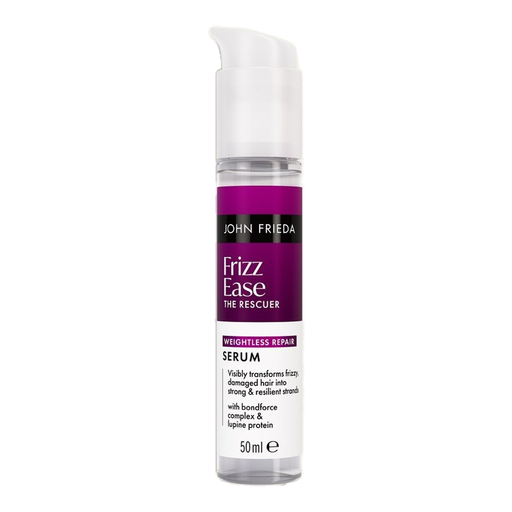
Why This Fits Their Persona: Designed for adults who use heated tools regularly but dislike thick oils or sticky finishing products, including those with finer hair.
The instructions separate damp-hair application from dry-hair touch-ups, helping users avoid applying too much product at the roots.
50ml size; lightweight serum format; product information specifies heat protection up to 230°C and use on wet or dry hair.
If your main concern is a damaged hair treatment, consider products with conditioning agents, proteins or film-formers. If frizz is primarily caused by damp weather, prioritise humidity protection hair products and application instructions that match your styling method.
Start with a suitable shampoo and conditioner, then add either a detangling spray or leave-in conditioner. Introduce a mask or serum once you know how your hair responds. This makes it easier to identify which product is helping and limits unnecessary build-up.
A conditioner can usually be used after washing according to its label. Deep conditioning hair masks and intensive serums are often intended for less frequent use, such as weekly or once or twice a week. Follow the individual directions and reduce the amount if hair feels coated or limp.
Cosmetic products can improve feel, shine, manageability and the appearance of rough ends, but they cannot permanently rejoin a split end. Regular trims, gentle detangling and reduced heat exposure remain important parts of a long-term hair care routine.