
24/7 Customer Support

Free returns

Same-day & Next-day Delivery

Quality Guaranteed

Unlock Your Welcome Offers: FREE Delivery | Up to 80% OFF | Free 30-day JoyPlus trial
Download the APP
A genuine Damascus chef knife is more than just a cutting tool; it's a centrepiece of the kitchen, blending artistry with exceptional performance. However, the market is filled with lookalikes and exaggerated claims that can easily lead to a disappointing purchase. Many aspiring chefs and home cooks invest in a beautiful knife, only to find it dulls quickly, feels unbalanced or worse, isn't real Damascus steel at all.
As the Joybuy Product Recommendation Officer, my role is to help you navigate these choices. We'll look past the marketing hype and focus on the tangible qualities that define a truly great knife. Here are the common pitfalls to watch for and the key features that actually matter.
To ensure you're investing in a high-performance tool, focus on these three non-negotiable specifications.
The sharp edge of a Damascus knife is not the layered steel itself, but a central core of hard steel sandwiched between the folded layers. This is where the knife's edge retention and cutting ability come from.
A genuine Damascus blade is made by forge-welding and folding different types of steel together. This process creates the distinctive, organic patterns.
The tang is the part of the blade that extends into the handle. It's crucial for the knife's overall balance and durability.
We've selected a few products that align with these quality markers, matching them to different user needs.
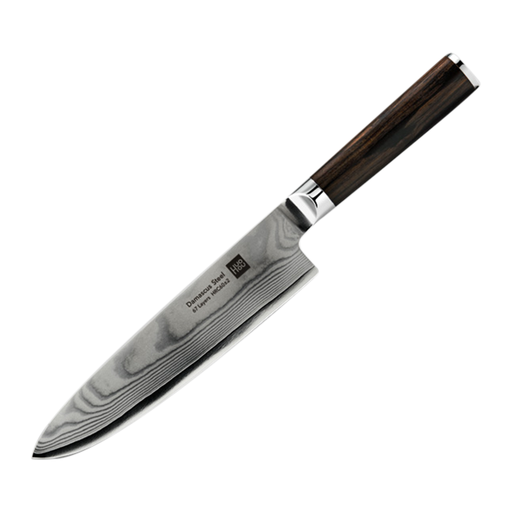
Why This Fits Their Persona: For the passionate home cook or professional chef who values true craftsmanship and top-tier performance. This user wants a tool that is both a workhorse for precise food preparation and a piece of art.
This knife features genuine 67-layer Damascus steel, not a superficial etched pattern. The focus is on the high-performance 90Cr14MoV core, avoiding the "more layers is better" myth by prioritising cutting ability.
The hand-honed 16° edge provides exceptional sharpness, while the dense ebony wood handle ensures excellent balance and long-term durability.
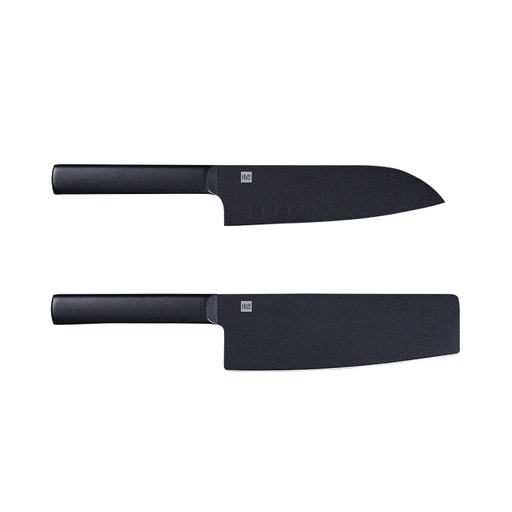
Why This Fits Their Persona: Ideal for the busy home cook who prioritises function, durability and low maintenance over traditional aesthetics. They need a reliable professional kitchen knife for daily tasks that cleans easily and stays sharp.
This knife sidesteps the Damascus trend entirely, focusing on a high-performance 50Cr15MoV high-carbon stainless steel blade. It delivers sharpness and durability without the cost or maintenance of a traditional forged knife.
The food-safe nano non-stick coating prevents food from sticking and makes cleaning effortless. Its ergonomic handle provides comfort and control during prolonged use.
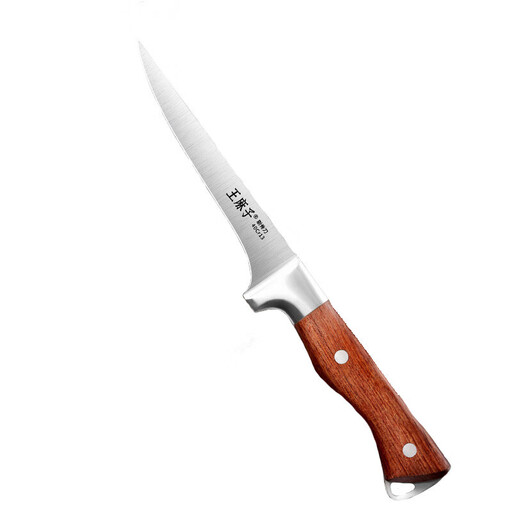
Why This Fits Their Persona: Designed for commercial butchers or chefs who need a dedicated tool for deboning meat. This user values purpose-built functionality for a specific, repetitive task over all-purpose design.
It avoids the "one-knife-fits-all" trap. A general chef's knife is not ideal for boning. This purpose-built knife provides the right blade shape, flexibility and sharpness for working precisely around bone and sinew.
The narrow, pointed blade is specifically shaped for deboning beef, lamb and pork. Its sharp, durable edge is designed for commercial-level use, ensuring efficiency and safety in a professional environment.
We have compiled a complete, real-time list of products that fully satisfy these strict selection criteria and UK safety regulations.
1. How do you properly care for a Damascus chef knife? Proper care is simple but crucial. Always hand wash your knife with mild soap and water and dry it immediately to prevent moisture damage or rust, especially on the high-carbon core. Never put it in a dishwasher. To maintain the handle, periodically apply a thin coat of food-safe mineral oil. Hone the edge regularly with a sharpening steel to keep it aligned.
2. Is a 67-layer Damascus steel knife better than a 33-layer one? Not necessarily. The layer count is primarily for aesthetics and to protect the core. The performance of the knife is dictated by the quality of the central cutting core, the heat treatment process and the geometry of the blade. A well-crafted 33-layer or 67-layer knife from a reputable maker will serve you well. Focus on the core steel type and the overall craftsmanship rather than just the number of layers.
3. What kind of cutting board should I use with a Damascus knife? To protect the fine, sharp edge of your knife, always use a cutting board made from wood (like hinoki, maple or walnut) or a high-quality, soft plastic. Avoid cutting on hard surfaces such as glass, granite, marble or metal, as these will rapidly dull and can even chip the blade.