Parents planning an occasional treat
If a child is hungry after school, decide on the snack first. Dark chocolate can be a separate, planned treat rather than the answer to routine hunger.


For everyday after-school hunger, choose a snack that meets that need rather than making dark chocolate the default; the NHS recommends fruit and vegetables for children’s snacks. If chocolate is a planned treat, a clearly sized mini bar makes the serving easier to set, while a standard bar needs portioning before it is offered. Check the exact pack: a 70% cocoa label does not establish its sugar content or allergy suitability.
If a child is hungry after school, decide on the snack first. Dark chocolate can be a separate, planned treat rather than the answer to routine hunger.
A mini bar has a stated unit size. With a larger bar, an adult needs to decide and separate the serving before offering it.
Vegan wording and allergy suitability are different questions. Check the ingredients and precautionary allergen statements on the exact current pack.
Decide whether the child needs a regular snack or a chocolate treat, then compare serving formats and the labels on the products you are considering.
| Priority | What to check | Your needs |
|---|---|---|
| Snack or treat | Decide what is being served after school. The NHS recommends fruit and vegetables for children’s snacks and advises aiming for no more than two packaged snacks a day. | If the child is hungry before dinner, I need a snack for that occasion, not chocolate simply because it is available. |
| Serving format | Compare the unit size: Divine lists 12.5g bars, while Montezuma’s lists a 25g Black Forest mini bar. A standard bar needs a serving separated before it is offered. | For a planned treat, a fixed-size bar may be simpler; otherwise I can portion a larger bar in advance. |
| Nutrition label | Compare sugars and saturates per 100g, then consider the serving. Lindt lists 29g sugars and 24g saturates per 100g for its EXCELLENCE 70% bar; Montezuma’s lists 31g and 24g respectively for its 70% Black Forest mini bar. | I want to compare the actual products, rather than assume that the same cocoa percentage means the same nutrition values. |
| Allergens | Read the ingredients and any “may contain” statement on the current pack. Lindt says its vegan-recipe EXCELLENCE 70% bar is not suitable for milk allergy; Montezuma’s Black Forest mini bar contains soya and may contain milk, nuts and peanuts. | When an allergy matters, I need the declaration for the exact product, not an assumption based on “dark” or “vegan”. |
Cocoa percentage does not state how much sugar or saturated fat is in a product. Lindt’s EXCELLENCE 70% bar lists 29g sugars and 24g saturates per 100g.
Compare the nutrition panels on the exact bars and consider the amount you intend to serve.
A 90g, 100g or 125g bar does not set an individual serving for you; the household must divide it. Divine also lists 12.5g bars, and Montezuma’s lists a 25g mini bar.
Choose a stated mini-bar size if that suits your plan, or separate a serving from a standard bar before offering it.
Lindt says its vegan-recipe EXCELLENCE 70% bar is not suitable for milk allergy. Other dark products have different ingredients and precautionary warnings.
Check the current pack’s ingredients and allergen statements for the specific child and product.
These brand examples illustrate the formats and label differences worth checking; a brand name alone cannot establish the suitability of a particular bar.
Divine lists 70% and 85% dark chocolate alongside flavoured bars. Its range also includes 4.2g mini bars and a separate 12.5g bar format.
Lindt’s EXCELLENCE Dark 70% is a 100g standard bar for households prepared to divide it before serving.
Montezuma’s lists plain and flavoured dark bars, including a 25g Black Forest dark chocolate with cherry mini bar containing 70% cocoa.
Hotel Chocolat’s dark range lists 70% and 85% batons and slabs.
M&S lists a 125g Swiss Extra Fine Dark Chocolate bar with a minimum of 72% cocoa.
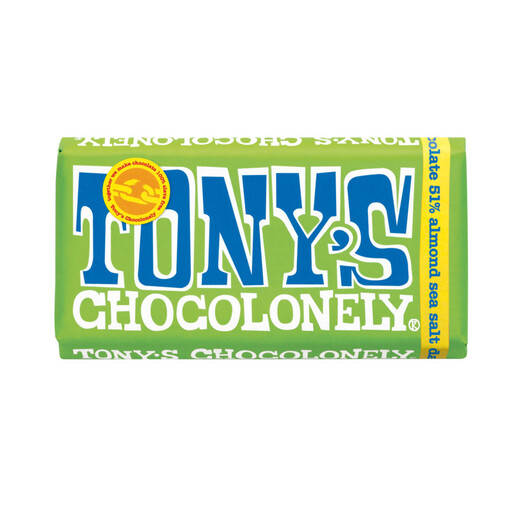
This Joybuy option is a larger dark chocolate bar to portion for a planned after-school treat.
 No image available
For a planned treat, separate a serving from this 180g bar before offering it. It contains almonds; check the current pack for its full ingredients and allergen warnings. If a particular cocoa percentage matters to you, confirm it on the label rather than assuming it from the word “dark”.
No. The NHS recommends fruit and vegetables for children’s snacks, while a cocoa percentage does not establish a bar’s sugar or saturated-fat content. For example, Lindt’s EXCELLENCE 70% bar lists 29g sugars and 24g saturates per 100g. Treat chocolate as a separate, planned choice rather than relying on its cocoa percentage.
A bar with a stated individual size avoids having to estimate a piece from a larger bar: Divine lists 12.5g bars, and Montezuma’s Black Forest mini bar is 25g. A standard bar can also be used if an adult separates the intended serving first.
Not necessarily. Lindt says its EXCELLENCE 70% bar is made to a vegan recipe but is not suitable for people with milk allergy. Check the exact current pack’s ingredients and precautionary allergen statement rather than relying on vegan wording.
Read both the ingredients and any “may contain” statement on the current pack. The Food Standards Agency explains that precautionary allergen wording communicates possible unintentional presence; declarations differ between dark chocolates. For example, Montezuma’s Black Forest mini bar contains soya and may contain milk, nuts and peanuts.