Gym-goers limiting added sugar
If you want chocolate after training, decide whether you require a sugar-free claim or simply want to avoid added sugar. Also consider whether your next meal is soon enough to meet your post-exercise food needs.


If you need a strictly sugar-free dark chocolate, check the pack’s claim and its sugars figure: the sugar-free claim threshold listed by legislation.gov.uk is no more than 0.5g sugars per 100g. If you simply want to limit sugar, compare the per-100g figures rather than relying on “no added sugar” or a high cocoa percentage. When you need a post-exercise snack containing carbohydrate and protein, follow University College London Hospitals NHS Foundation Trust’s guidance on that combination and treat chocolate as an optional addition, not an automatic replacement.
Your reason for limiting sugar changes which part of a chocolate label matters most.
If you want chocolate after training, decide whether you require a sugar-free claim or simply want to avoid added sugar. Also consider whether your next meal is soon enough to meet your post-exercise food needs.
An 85% or 100% cocoa label tells you about cocoa content, not whether the finished bar qualifies as sugar-free. Compare the sugars figure on the exact product.
Check the current pack’s ingredients and precautionary allergen statement. A dark or vegan-labelled recipe can still carry a warning about milk or nuts.
Start with the claim you actually require, then compare the nutrition panel and consider what you need after that particular training session.
| Priority | What to check | Your needs |
|---|---|---|
| Sugar-free requirement | Look for a sugar-free claim on the pack and compare the “of which sugars” figure per 100g. Legislation.gov.uk lists a threshold of no more than 0.5g sugars per 100g for that claim; “no added sugar” is different. | If sugar-free is non-negotiable for me, a high cocoa percentage or no-added-sugar wording alone will not settle the choice. |
| Post-exercise food | Consider the session and when you will next eat. University College London Hospitals NHS Foundation Trust describes snacks containing carbohydrate and protein as useful before and after exercise. | When I need a snack before my next meal, I want to consider carbohydrate and protein rather than assume chocolate alone covers that need. |
| Chocolate and portion | Compare sugars per 100g across bars, then check the pack’s portion information. Cocoa percentage alone does not establish the sugars content: Montezuma’s lists 0.6g sugars per 100g for its 100% cocoa Absolute Black bar. | I may want a high-cocoa treat without requiring a sugar-free claim, but I still want to know what is in the portion I choose. |
| Allergens | Read the exact pack’s ingredient list and “may contain” wording. Montezuma’s lists possible traces of milk, nuts and peanuts for Absolute Black; Divine lists possible gluten, milk and nuts for its 85% bar. | If I need to avoid an allergen, neither “dark” nor “vegan” is enough for me to judge a bar’s suitability. |
No added sugar does not mean zero sugars. Montezuma’s lists its Absolute Black 100% cocoa bar as having no added sugar, yet gives 0.6g sugars per 100g—above the 0.5g-per-100g sugar-free claim threshold listed by legislation.gov.uk.
If you require a sugar-free product, check both the claim on the current pack and its per-100g sugars declaration.
A chocolate treat does not necessarily provide the carbohydrate-and-protein combination relevant to your post-exercise food needs. University College London Hospitals NHS Foundation Trust describes that combination as useful around exercise.
Consider the session and your next meal first. If you need a snack containing carbohydrate and protein, choose one for that purpose and have chocolate separately if you want it.
Recipe descriptions do not cancel precautionary allergen warnings. Montezuma’s Absolute Black carries a warning about possible traces of milk, nuts and peanuts, while Divine’s 85% bar lists possible gluten, milk and nuts.
Read the allergen information on the current physical pack for the exact product you intend to eat.
These brand examples illustrate different label routes; their figures apply to the named products, not every chocolate each brand makes.
Absolute Black is a 90g, 100% cocoa dark bar described by Montezuma’s as having no added sugar.
Lindt describes a Dark No Added Sugar Bar sweetened with maltitol.
Hotel Chocolat describes its range as “More Cocoa, Less Sugar” and shows 70% and 85% dark-chocolate options.
Divine’s 85% Dark Chocolate is a 90g bar whose listed ingredients include Fairtrade sugar.
M&S lists an 85% dark chocolate bar and, separately, a reduced-sugar milk chocolate.
These are dark-chocolate options to consider as treats alongside post-gym food, not a list of products established as sugar-free. Use the cocoa percentage to identify the variant, then check the current pack’s sugars and allergen information before choosing.
 No image available
Consider this 85% cocoa bar if you want dark chocolate as a treat after training. Check its per-100g sugars and current allergen statement if you have a strict sugar requirement or an allergy.
 No image available
This 85% cocoa bar is an option when you want a post-gym chocolate treat rather than a product chosen solely for a sugar-free claim. Compare its current sugars declaration and allergen wording with your requirements.
 No image available
This 85% cocoa, Ecuador-labelled bar offers another dark-chocolate format to compare as a treat. Its cocoa percentage does not answer a strict sugar-free question; check the pack’s sugars figure and allergen statement.
 No image available
Choose whether this 72% cocoa bar fits your preference for a dark-chocolate treat by comparing its current nutrition panel with the other options. Check sugars per 100g rather than treating 72% cocoa as a sugar claim.
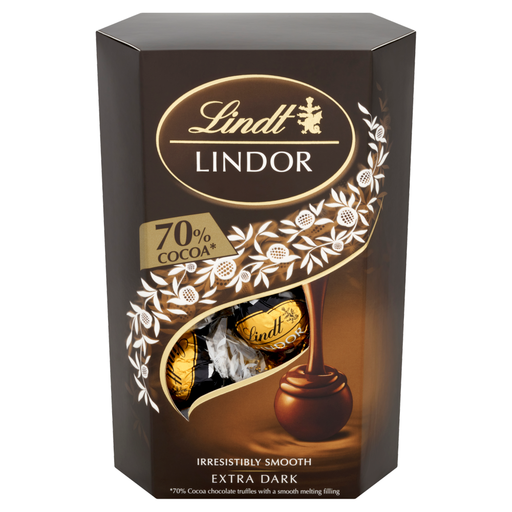 No image available
This 70% cocoa Lindor product is a dark-chocolate treat option, not a substitute for checking what you need after exercise. Read the current pack’s per-100g sugars and allergen information if either affects your choice.
No. Legislation.gov.uk lists no more than 0.5g sugars per 100g or 100ml as the threshold for a sugar-free claim. A no-added-sugar product can still contain sugars, so check the current pack’s nutrition declaration.
No. Montezuma’s describes its Absolute Black 100% cocoa bar as having no added sugar but lists 0.6g sugars per 100g, above the 0.5g-per-100g sugar-free claim threshold shown by legislation.gov.uk. Check the figure for the exact bar you are buying.
Do not assume chocolate alone meets your post-exercise food needs. University College London Hospitals NHS Foundation Trust describes snacks containing carbohydrate and protein as useful before and after exercise; consider your activity and next meal when deciding whether you need one. Chocolate can be a separate treat if you want it.