Plain dark chocolate shoppers
If you want one bar to eat with tea, compare bars around 70% cocoa by their stated flavour, pack size and allergen information. Divine lists a 90g 70% bar, while Lindt lists a 100g 70% bar.


For a plain afternoon-tea bar, 70% cocoa is a useful starting point if you want a distinctly dark chocolate without deliberately choosing a more intense style. Consider a higher-cocoa bar if you already prefer that taste, or a bar with fruit, nuts or cocoa nibs if flavour and texture matter more. Check the pack format and current allergen label whichever you choose.
If you want one bar to eat with tea, compare bars around 70% cocoa by their stated flavour, pack size and allergen information. Divine lists a 90g 70% bar, while Lindt lists a 100g 70% bar.
If you already favour a more pronounced cocoa taste, an 85% bar such as Lindt EXCELLENCE offers a different option from its 70% bar. The higher percentage alone does not establish which you will prefer.
If a plain bar is not what you want, look for a specific addition: Montezuma’s Lordy Lord has cocoa nibs for crunch, while Hotel Chocolat lists a dark chocolate and praline bar. Check the ingredients and allergens of the exact product.
Choose the type of bar you want first, then check that the pack and label suit the person who will eat it.
| Priority | What to check | Your needs |
|---|---|---|
| Cocoa and flavour | Compare the stated cocoa percentage and the maker’s flavour description. A percentage describes cocoa content, not whether you will like the taste. | I’d start with a plain bar around 70% for a dark-chocolate tea break; I’d consider 85% if I already enjoy a more intense style. |
| Added ingredients | Look for named additions such as cocoa nibs, fruit, nuts or praline. Check how they change the bar’s ingredients as well as its flavour or texture. | For this break, I’d rather have a particular flavour or some crunch than a plain bar. |
| Allergens | Read the current ingredients and any ‘may contain’ statement on the exact bar. Do not use its cocoa percentage or vegan wording as an allergy check. | If I’m buying for someone with an allergy, I need to check the specific wrapper before choosing. |
| One-bar format | Check the unit count, weight and product category. Distinguish one ready-to-eat bar from a case, slab or cooking chocolate. | I want one bar for an afternoon break, so I need to know what the listing actually contains. |
Allergen statements differ between products. Divine’s 70% bar may contain gluten, milk and nuts; Lindt’s 70% bar may contain nuts, milk, soya and sesame seeds; Montezuma’s Lordy Lord contains soya and may contain milk, nuts and peanuts.
Read the current label of the exact bar, even if you have bought another dark chocolate from the same brand.
A cocoa percentage does not tell you how a product is packaged or categorised. The M&S 70% dark chocolate listing is for cooking chocolate, rather than a snack-bar listing.
Check the unit count, weight and product category when you want one ready-to-eat bar.
Lindt describes its 85% EXCELLENCE bar as a more intense option than its 70% bar. That may not match a preference for a gentler introduction to dark chocolate.
Use the stated percentage and flavour description to choose the style you want, rather than treating the higher number as a quality verdict.
These product-line examples show different choices; the label of the individual bar remains the place to check its ingredients and allergens.
Divine lists a plain 70% dark chocolate bar in a 90g format.
Lindt’s EXCELLENCE listings include 70% and 85% dark chocolate bars, each in a 100g format.
Montezuma’s lists both plain and flavoured dark chocolate. Its 90g Lordy Lord bar combines dark chocolate with cocoa nibs.
Hotel Chocolat lists a Better Way Bar with dark chocolate and praline for shoppers considering a flavoured bar.
M&S directs Foodhall shoppers to select a local store to check its chocolate range.
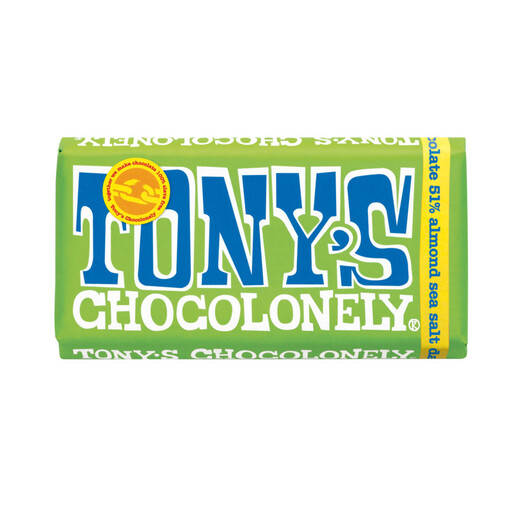
These options include plain 70% and 72% bars and bars with raspberries or almonds and sea salt. The 180g Tony’s Chocolonely bar is a larger single bar than the 90g and 100g options shown here.
 No image available
A plain 90g bar to consider if you want one dark chocolate bar for a tea break. Check the current wrapper if milk or nuts are relevant to you.
 No image available
A 100g single bar with a stated 72% cocoa content and Dominican Republic origin detail. Check the current wrapper for ingredients and allergens before buying for someone with a relevant allergy.
 No image available
A 90g bar for a fruit-flavoured alternative to plain dark chocolate. The product information conflicts about milk and vegan suitability; check the current wrapper before buying, especially if an allergy matters.
 No image available
A single 180g bar for shoppers who want almonds and sea salt rather than plain dark chocolate. Its larger size is worth checking if you want a smaller tea-break bar; it contains almonds, so read the current allergen label.
No: the percentage identifies cocoa content, not your taste preference. Lindt lists both 70% and 85% EXCELLENCE bars; consider the 85% bar if you already favour a more intense style, rather than assuming it will suit everyone.
Not necessarily. Lindt states that its 85% EXCELLENCE bar is made to a vegan recipe but is not suitable for people with a milk allergy because it is manufactured in a facility using milk. Check the current allergen statement on the exact bar.
Read the current ingredients and any precautionary statement, including ‘may contain’ wording, for the specific bar. Dark chocolate products can differ in their milk, nut, peanut, soya, sesame and gluten-related information.
A catalogue listing does not establish stock at your chosen store. M&S directs shoppers to select a local store to see its stock, so check that store’s listing when planning a Foodhall purchase.