Students trying dark chocolate
If you want a cocoa percentage you can check without starting at the highest one, Lindt’s labelled 70% bar gives you a point of comparison with its 78% and 90% variants.


For a student move-in, choose a solid dark chocolate bar with a stated cocoa percentage if cocoa level matters more than snack format; the word ‘dark’ alone does not establish one. Lindt’s 70% bar offers a starting point for comparing the range, while its 78% and 90% bars suit shoppers seeking a higher stated cocoa level. Check the exact pack for ingredients and allergens before buying, especially if milk is a concern.
If you want a cocoa percentage you can check without starting at the highest one, Lindt’s labelled 70% bar gives you a point of comparison with its 78% and 90% variants.
Lindt states minimum cocoa-solids levels of 78% and 90% for its corresponding EXCELLENCE bars. Compare the exact variants rather than assuming every dark-labelled product has a similar cocoa level.
Read the current wrapper before buying or sharing a bar. Milk ingredients and precautionary allergen statements vary between these products, and ‘vegan recipe’ does not establish suitability for someone with a milk allergy.
Start with the type of chocolate you want, then compare the exact pack’s cocoa statement, ingredients and storage instructions.
| Priority | What to check | Your needs |
|---|---|---|
| Cocoa level | Look for a minimum cocoa-solids percentage on the exact bar. Lindt Shop UK states 70%, 78% and 90% minimum for its corresponding EXCELLENCE bars; compare like-for-like variants. | I want to know the stated cocoa level before choosing a bar, rather than judging it by the word ‘dark’. |
| Ingredients and allergens | Read the current ingredients and precautionary statements for milk, wheat, nuts, soya and sesame as relevant. Lindt Shop UK lists milk fat in its 78% bar and says its vegan-recipe 70% and 90% bars are made in facilities using milk. | If I or someone I share food with needs to avoid an ingredient, the wording on the exact pack matters more than a general dietary description. |
| Snack format | Check whether it is a solid bar or a coated wafer, as well as the pack weight. KitKat UK describes its 20.7 g 2 Finger Dark product as wafers covered in dark chocolate, not as a solid bar with a stated cocoa-solids percentage. | A small wafer snack works for a short break; for comparing cocoa percentages, I want a labelled solid bar. |
| Storage | Follow the exact pack’s storage wording and best-before date. Check where the chocolate will sit during the journey and after unpacking. | I need somewhere suitable to keep the bars while moving in, rather than leaving them in a warm bag or by a radiator. |
Cadbury describes Bournville Classic as dark chocolate, while KitKat 2 Finger Dark is a coated wafer. Those descriptions alone do not establish a cocoa-solids percentage comparable with Lindt’s labelled 70%, 78% and 90% solid bars.
If a particular cocoa level drives your choice, check the minimum cocoa-solids statement for the exact product.
Lindt Shop UK says its EXCELLENCE 70% and 90% bars are made to vegan recipes but in facilities using milk, and states that they are not suitable for people with a milk allergy.
For a milk-allergy decision, use the current ingredients and precautionary statements for the exact bar; do not rely on the recipe description.
KitKat UK describes 2 Finger Dark as a 20.7 g wafer snack containing wheat and milk ingredients. Its dark coating does not make it equivalent to a solid bar with a stated 70%–90% cocoa-solids level.
Choose by format as well as flavour: a wafer for a compact snack, or a percentage-labelled solid bar when cocoa level is the deciding factor.
Storage instructions matter when bars spend time in a bag or an unpacked room. Waitrose & Partners advises a cool, dry, dark place rather than a fridge for one of its chocolate products.
Keep move-in chocolate away from heat and follow the storage instructions and best-before date on its own pack.
Lindt Shop UK states minimum cocoa-solids levels of 70%, 78% and 90% for three EXCELLENCE dark bars, allowing a comparison between those exact variants.
Cadbury identifies Bournville Classic as a 100 g dark chocolate bar and describes it as vegetarian friendly.
KitKat UK describes 2 Finger Dark as a 20.7 g pair of wafers covered in dark chocolate.
These solid dark chocolate bars offer labelled 70% or 90% options for a student move-in. Compare the exact pack’s cocoa statement and ingredients before choosing, particularly where dietary requirements matter.
 No image available
A 70%-labelled solid bar to consider when stocking a student room. The listing’s vegan-friendly wording conflicts with its milk information, so check the current pack’s ingredients and allergen statements before making a dietary decision.
 No image available
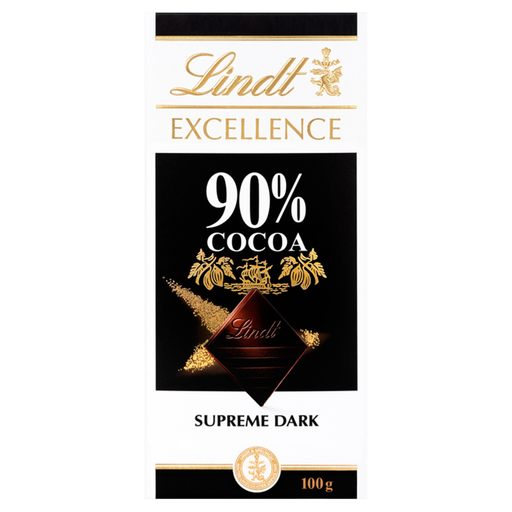
A 90%-labelled bar for shoppers seeking the higher stated cocoa option in this selection. Confirm the cocoa-solids wording and full ingredient and precautionary allergen statements on the current wrapper before buying.
 No image available
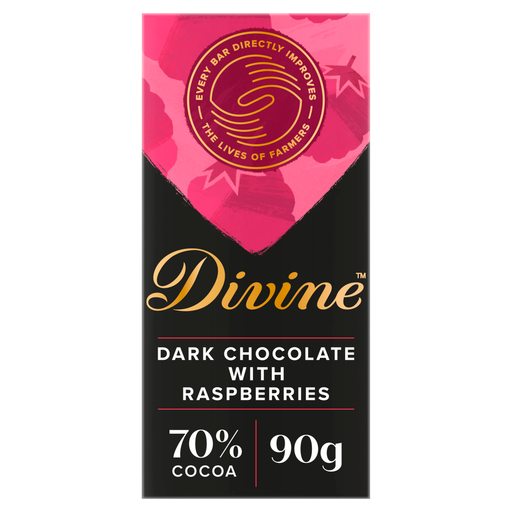
A raspberry variant for someone choosing a 70%-labelled solid bar for their new room. Its listing’s vegan-friendly wording conflicts with milk information, so check the current pack before relying on either description for dietary suitability.
No. If cocoa level is your deciding requirement, look for a minimum cocoa-solids percentage on the exact product. Lindt Shop UK states 70%, 78% and 90% minimum for its corresponding EXCELLENCE solid bars; KitKat UK describes 2 Finger Dark as a coated wafer without stating a cocoa-solids percentage for its coating.
Not necessarily. Lindt Shop UK says its EXCELLENCE 70% and 90% bars are made to vegan recipes but in facilities using milk, and states that they are not suitable for people with a milk allergy. Check the current label for the exact variant.
Not when a stated cocoa-solids percentage is the requirement. KitKat UK describes 2 Finger Dark as a 20.7 g wafer snack covered in dark chocolate; it contains wheat and milk ingredients, and its product information does not state a cocoa-solids percentage for the coating.
Follow the storage wording on the exact pack and keep it away from heat while travelling and unpacking. Waitrose & Partners advises a cool, dry, dark place rather than a fridge for one of its chocolate products; check your bar’s own instructions and best-before date.
Use the current ingredients and allergen information on the exact prepacked chocolate you intend to buy or share, including any precautionary statement. Food Standards Agency technical guidance covers allergen labelling requirements, but suitability depends on that product’s current label and the ingredients the person needs to avoid.