Everyday sweet-bake makers
If you make brownies, cookies, cakes or ganache, a plain 70% bar or 70% cooking chocolate gives you a high-cocoa option that still contains sugar. Check the recipe before choosing a different percentage.


For a sweet bake that calls for dark chocolate, a plain 70% bar or 70% cooking chocolate is a practical starting point: both provide cocoa flavour while still containing sugar. Choose 100% cocoa when the recipe specifies unsweetened chocolate or lets you control the sugar separately; do not swap it straight into a recipe written for a sweet bar. Whatever the percentage, check the exact pack for ingredients and allergen warnings before baking for someone else.
If you make brownies, cookies, cakes or ganache, a plain 70% bar or 70% cooking chocolate gives you a high-cocoa option that still contains sugar. Check the recipe before choosing a different percentage.
A 100% cocoa bar fits a recipe that specifies unsweetened chocolate or controls sugar separately. Its much less sweet flavour makes the recipe important: it is not a direct substitute for a 70% bar in a sweet bake.
Check the ingredients and precautionary allergen statement on the exact pack. Dark bars differ in their milk, nut, peanut, soya, sesame and gluten information; a vegan description alone does not establish allergy suitability.
Start with the chocolate specified by the recipe, then check its form and the current pack information. Cocoa percentage helps distinguish a sweet bar from unsweetened chocolate, but it does not tell you everything about a particular product.
| Priority | What to check | Your needs |
|---|---|---|
| Cocoa and sugar | Compare the recipe’s required percentage with the bar’s stated cocoa content. Check whether sugar is listed: Montezuma’s Absolute Black is 100% cocoa mass, while the cited 70% products contain sugar. | For a sweet cake or brownie, I want dark chocolate with some sweetness already in it. If my recipe specifies unsweetened chocolate, I need to account for sugar elsewhere in the recipe. |
| Form and preparation | Check whether the recipe calls for melted chocolate, chopped pieces or a grated finish. M&S positions its 70% cooking bar for baking, while Lindt describes its EXCELLENCE 70% bar as suitable for baking and cooking. | I’m melting chocolate into a cake, chopping a plain bar for cookies or preparing a topping, so the form needs to suit that step. |
| Allergens | Read the current ingredients and precautionary statement on the exact pack. For example, the cited Divine 70% bar may contain gluten, milk and nuts; Montezuma’s Absolute Black may contain milk, nuts and peanuts. | When I’m baking for someone with an allergy, I need information for the particular bar I will use—not an assumption based on its colour, cocoa percentage or vegan wording. |
| Ingredients and labels | Check product-level organic, Fairtrade or ingredient-exclusion claims if they matter to you. Also look for added flavours or inclusions when the recipe simply calls for plain dark chocolate. | I may prefer particular ingredients or sourcing labels, but I still need a chocolate whose flavour and ingredients fit the bake. |
Montezuma’s Absolute Black is 100% cocoa mass with no added sugar, unlike the cited 70% bars. Substituting it for a sweet bar changes the chocolate’s contribution to the recipe’s sweetness.
Follow the percentage or unsweetened-chocolate instruction in the recipe. Use 100% cocoa in a sweet bake only when the recipe accounts for its lack of added sugar.
A bar described as made to a vegan recipe can still carry a milk warning. The cited Lindt 70% bar, for example, is made to a vegan recipe but is not suitable for someone with a milk allergy.
Read the current ingredients and allergen warning for the exact product before baking for someone with an allergy.
Recipes and allergen information can change, so a description used to shortlist a chocolate may differ from the pack being bought.
Confirm the cocoa percentage, ingredients, allergen warning and storage directions on the current pack.
Added flavours or inclusions can change the finished bake and its allergen information.
When a recipe simply specifies dark chocolate, check that the bar is plain unless the added ingredients are an intentional part of your recipe.
These examples show how cooking bars, plain 70% bars and unsweetened chocolate differ. Check the particular product and pack rather than applying one bar’s details to a whole brand.
M&S lists a 100 g dark cooking chocolate with at least 70% cocoa solids for baking.
Lindt describes its EXCELLENCE 70% Cocoa 100 g bar as suitable for baking and cooking as well as eating.
Divine’s 70% Dark Chocolate 90 g bar lists Fairtrade cocoa ingredients and offers a plain dark-bar option for recipes that call for one.
A Tesco listing identifies the Organic 70% Dark Chocolate 90 g bar as an organic, Fairtrade-labelled plain bar.
Montezuma’s Absolute Black is a 100% cocoa-mass bar for recipes that specify unsweetened chocolate or allow separate control of sugar.
Hotel Chocolat offers 70% dark chocolate batons and discusses using 100% chocolate in baking.
These options cover a 70% cooking bar, a plain 70% bar, baking chips and two higher-cocoa bars. The chips have a stated minimum of 50% cocoa solids, so they serve a different recipe need from the high-cocoa bars.
 No image available
A cooking bar described for cakes, brownies, cookies and sauces. Its stated cocoa solids are at least 70%, and its listed ingredients include sugar.
Contains milk and may contain eggs, gluten and tree nuts. Check the current pack before baking for someone with an allergy.
 No image available
A plain bar to consider when a recipe calls for dark chocolate rather than a dedicated cooking product. It states a minimum of 70% cocoa solids and lists cocoa mass, cane sugar, cocoa butter and vanilla.
The description identifies organic ingredients. It says the bar may contain almonds, hazelnuts, other nuts and milk; check the current pack.
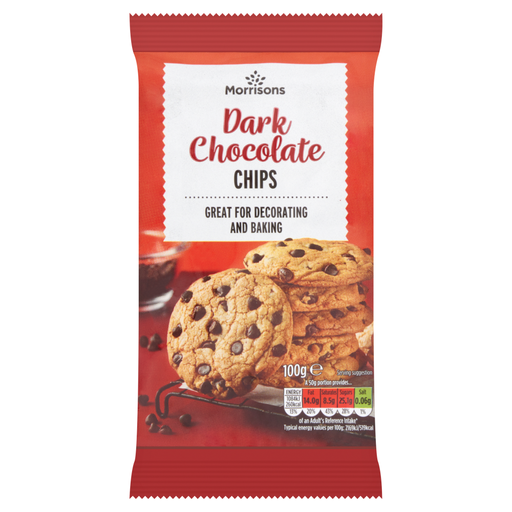 No image available
Chocolate chips described for mixing into bakes or decorating. Their stated cocoa-solids minimum is 50%, so check the recipe before using them in place of a 70% bar.
Contains soya and may contain milk; use the current pack declaration when checking allergy suitability.
 No image available
An 85% cocoa bar to consider if your recipe calls for a higher-cocoa dark chocolate. Its listed ingredients include cocoa mass, cocoa butter and demerara sugar; check that this percentage fits the intended bake rather than substituting it automatically for 70%.
Check the exact pack’s ingredient and allergen statements before baking for someone with an allergy.
 No image available
A 90% cocoa bar for a recipe calling for a very high-cocoa dark chocolate. Its listed ingredients include cocoa mass, cocoa butter, low-fat cocoa powder and sugar; check the recipe’s intended sweetness before choosing it over a 70% bar.
The description says it may contain hazelnuts, almonds, other nuts, milk and soya. Confirm the current pack declaration for allergy suitability.
Start with 70% when a sweet recipe calls for dark chocolate without specifying unsweetened chocolate. Use 100% cocoa when the recipe calls for it or accounts separately for sugar; Montezuma’s Absolute Black, for example, is 100% cocoa mass with no added sugar.
No. A dedicated cooking bar makes its intended use clear, but Lindt also describes its EXCELLENCE 70% bar as suitable for baking and cooking. For another plain bar, check the recipe’s cocoa-percentage requirements and the product’s ingredients and allergen declaration.
Do not assume so. Lindt says its cited 70% bar is made to a vegan recipe but is not suitable for someone with a milk allergy, while Divine’s cited 70% bar may contain milk. Check the current pack of the exact chocolate before baking for that person.
Hotel Chocolat advises chilling both the chocolate and grating tool in the fridge for 15 minutes before grating gently. First choose a chocolate whose flavour and allergen information suit the bake.
Read the ingredients and precautionary allergen statement on the exact current pack, particularly when baking for someone else. Warnings differ between dark bars, and product information can change; neither a high cocoa percentage nor vegan wording replaces a pack-level check.