Hosts choosing a single treat
A plain 70% bar is a starting point for an adult guest who likes dark chocolate but has not expressed a preference for a more intense bar. Check the pack’s allergen information before serving it.


For an Easter single-bar gift, a plain 70% dark chocolate bar is a starting point when the recipient likes dark chocolate but their preferred intensity is unknown. Choose a higher-cocoa bar if they enjoy a more intense flavour, or a fruit or cocoa-nib bar if you know they like additions. Check the current pack’s ingredients and allergen warnings before gifting or serving it.
The recipient’s taste, the way the chocolate will be served and any dietary requirements matter more than choosing by cocoa percentage alone.
A plain 70% bar is a starting point for an adult guest who likes dark chocolate but has not expressed a preference for a more intense bar. Check the pack’s allergen information before serving it.
If you know the recipient’s tastes, you can choose more specifically: a higher cocoa percentage, cocoa-nib texture, or a product with stated organic or Fairtrade credentials.
Choose by the exact product and its current label. Dark-chocolate bars can have different ingredients and precautionary warnings; neither the word “dark” nor a vegan-recipe description establishes allergy suitability.
Start with the recipient’s flavour preference, then check the bar’s ingredients, size and format. Treat sourcing claims as product-specific rather than assuming they apply across a brand.
| Priority | What to check | Your needs |
|---|---|---|
| Cocoa and flavour | Compare the stated cocoa percentage and whether the bar is plain or contains fruit, spice or nibs. M&S describes higher-cocoa chocolate as more intensely flavoured; percentage alone does not tell you which bar a recipient will prefer. | I know they like dark chocolate, but not how intense they like it. A plain 70% bar gives me a starting point; I would choose a more intense or flavoured bar when I know that preference. |
| Allergens and ingredients | Read the current ingredient list and precautionary “may contain” wording on the exact pack. Check dietary claims separately from allergy information: products described as vegan can still carry milk warnings. | If the chocolate is for someone with an allergy or a strict ingredient requirement, I need to assess that particular pack before buying or serving it. |
| Size and format | Compare net weight and the form of the chocolate. The referenced products include conventional 90 g and 100 g bars, a 125 g M&S bar and Hotel Chocolat’s pack of 15 batons; these are not identical serving formats. | Is this one person’s Easter treat, an addition to a gift, or chocolate to put out for guests? I want the size and format to suit how it will be used. |
| Sourcing preferences | Look for the stated organic, Fairtrade or other sourcing claim on the specific product. Divine says farmers from Ghana’s Kuapa Kokoo cooperative co-own its business; that brand statement is distinct from a claim about every bar’s ingredients. | When sourcing or an ingredient preference matters to the recipient, I want to check the chosen bar’s own claims rather than rely on the category name. |
Ingredients and precautionary warnings differ between dark-chocolate products. Lindt says its EXCELLENCE 70% bar has a vegan recipe but is made in a facility using milk and is not suitable for people with a milk allergy.
For an allergy-sensitive recipient, check the current pack’s ingredient list and “may contain” statement. Do not use a dietary description in place of allergy information.
M&S describes higher-cocoa chocolate as more intense and less sweet. That taste may not suit someone who usually chooses a milder dark bar.
Start with the recipient’s known taste. A plain 70% bar is an option when their preference for very intense chocolate is unknown; consider a higher percentage when they already enjoy it.
A conventional single bar, a larger bar and a pack of batons offer different ways to give or serve chocolate. Hotel Chocolat describes its 70% product as 15 batons, not one solid bar.
Check the net weight and format, particularly if you need an individual treat rather than chocolate to share at an Easter gathering.
Ingredient and allergen information can change. An earlier product listing may not describe the pack you are about to give someone.
Recheck the physical label at purchase, especially where an allergy, dietary requirement or particular ingredient matters.
These examples show different product choices and formats; a brand reference does not mean every bar from that brand has the same recipe or warnings.
Its Organic 70% Dark Chocolate Bar is a conventional 90 g single-bar option with stated organic and Fairtrade credentials.
Divine’s plain 70% bar is a 90 g option for shoppers interested in its stated Fairtrade sourcing and farmer co-ownership.
The EXCELLENCE range includes 100 g dark bars at 70% and 78% cocoa, allowing a choice between two stated cocoa levels.
Montezuma’s offers dark-chocolate choices with added flavours or texture, including its Lordy Lord bar with cocoa nibs.
Batons and slabs offer an alternative when the Easter chocolate is intended for tasting or sharing rather than as one conventional bar.
Its Swiss Extra Fine Dark Chocolate is a 125 g bar with 72% cocoa solids, an option to consider when choosing a larger bar.
These bars offer plain, raspberry-flavoured and higher-cocoa choices for an individual Easter treat. Choose by the recipient’s taste and check the current pack where ingredients or allergens matter.
 No image available
A plain 70% bar to consider when the recipient likes dark chocolate but their preferred intensity is unknown. The product description identifies organic ingredients and Fairtrade sourcing. It says the bar may contain almonds, hazelnuts, other nuts and milk; check the current pack before giving it to someone with an allergy.
 No image available
A plain bar for someone interested in a stated cocoa origin as well as cocoa percentage. Its description specifies Dominican Republic cocoa and 72% cocoa in a 100 g bar. It says the product contains soya and may contain gluten, milk, nuts and peanuts; check the current pack for allergy suitability.
 No image available
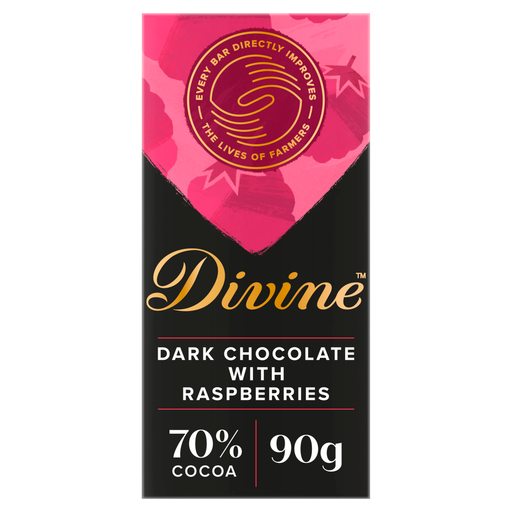
A flavoured single bar for a recipient who enjoys raspberry with dark chocolate. The description specifies 70% cocoa and 3% freeze-dried raspberry pieces. Before buying it for someone with an allergy, check the physical pack’s milk information and its gluten and nut warnings.
 No image available
Consider this bar when the recipient already enjoys an intense dark-chocolate flavour. Its description specifies 85% minimum cocoa solids, Ecuadorian Arriba cocoa and a 100 g weight. It says the bar may contain gluten, milk, nuts and peanuts; check the current pack before serving it to anyone with an allergy.
 No image available
A 90 g option for someone who already chooses more intense dark chocolate. The description specifies 85% minimum cocoa solids and identifies organic and Fairtrade claims. It says the bar may contain almonds, hazelnuts, other nuts and milk; check the current pack for allergy suitability.
No. M&S describes higher-cocoa chocolate as more intense and less sweet, which may appeal to someone who already enjoys that flavour. If you know only that the recipient likes dark chocolate, a plain 70% bar is a starting point rather than a reason to assume they want the highest percentage.
No. Lindt says its EXCELLENCE 70% bar has a vegan recipe but is made in a facility using milk and is not suitable for people with a milk allergy. Read the exact current pack’s ingredients and precautionary warnings before buying or serving any bar for someone with an allergy.
Check the ingredient list, emphasised allergens and any precautionary “may contain” wording on that bar’s current pack. Product warnings vary, so a general description such as “dark chocolate” cannot answer whether a particular bar suits an allergy-sensitive recipient.
Follow the storage instructions on its pack. Sainsbury’s listing for Green & Black’s Organic 70% bar says to store it in a dry place and protect it from heat.