Hosts serving a mixed-preference group
If guests have different tastes, a plain 70–75% bar gives you a starting point without choosing a strongly flavoured inclusion or a very high cocoa percentage for everyone.


For a mixed group, a plain 70–75% dark chocolate bar is a practical starting point; keep higher-cocoa bars for guests who already prefer a more intense cocoa flavour. Before sharing, check the current wrapper for ingredients and allergen warnings: a vegan recipe does not establish allergy suitability.
If guests have different tastes, a plain 70–75% bar gives you a starting point without choosing a strongly flavoured inclusion or a very high cocoa percentage for everyone.
If the intended guests already enjoy a more pronounced cocoa flavour, consider a 74–85% bar. A 100% cocoa bar calls for a more specific preference rather than an assumption that the whole table will want it.
Read the wrapper before opening the bar. Ingredients and precautionary allergen statements matter more than a general impression that dark chocolate, or a vegan recipe, will suit every guest.
Choose a flavour style the group wants, then check the bar’s size and current label before serving it.
| Priority | What to check | Your needs |
|---|---|---|
| Flavour intensity | Compare the stated cocoa percentage on plain bars. Read the maker’s flavour description, and check for added flavours or inclusions. | I’m sharing one bar with people whose tastes differ, so I’d start with plain 70–75% chocolate. I’d choose a more intense bar if I knew the group wanted it. |
| Recipe preferences | Check the ingredient list and any Fairtrade or organic statements on the specific bar. Divine describes its 70% bar as using Fairtrade ingredients and containing no palm oil or soya; Montezuma’s lists organic ingredients for FitzRoy 74%. | Fairtrade ingredients or an organic recipe may matter to my group, but I’d still choose a flavour we want to share. |
| Bar size | Read the weight on the wrapper and consider how many pieces can be offered. The listed Lindt 70% bar is 100 g, while Divine 70% and Montezuma’s FitzRoy 74% are 90 g. | Will this one bar give everyone at the table a piece? I’d compare the actual sizes rather than assume similarly presented bars contain the same amount. |
| Allergen information | Read both the ingredients and any “may contain” statement on the current pack. Check manufacturer suitability warnings for the allergens relevant to your guests. | Before I put a shared bar on the table, I need to know whether its label is appropriate for the people eating it. |
A recipe without milk as an ingredient can still carry a milk warning. Lindt says its EXCELLENCE 70% bar is made to a vegan recipe but is not suitable for people with a milk allergy; Divine’s 70% bar says it may contain milk.
Check the current wrapper, including precautionary statements, before offering a bar to someone with an allergy. Do not substitute the cocoa percentage or vegan description for that check.
An 85% or 100% bar makes a different flavour choice from a 70–75% bar. Guests who enjoy dark chocolate do not necessarily want the most intense option during a game.
Start with a plain 70–75% bar for mixed preferences, and choose a higher-cocoa bar when the intended eaters have said they want one.
Single bars in this selection include both 90 g and 100 g formats, so similar-looking packs need not provide the same amount to share.
Check the weight and decide whether one bar gives the group enough pieces.
Fruit, nuts or other additions change both the flavour and the ingredients of the bar. A distinctive flavour may not suit everyone sharing it.
Choose a plain bar unless guests have asked for a particular inclusion, and check the full label either way.
These examples show different plain-dark options; each label and suitability statement applies to the named bar, not every product from its brand.
EXCELLENCE Dark 70% is a 100 g plain-dark bar with at least 70% cocoa solids.
Divine’s 70% dark chocolate is a 90 g option for shoppers interested in its stated Fairtrade ingredient approach.
FitzRoy is a 90 g organic 74% dark chocolate bar for guests who want a more cocoa-led plain option.
M&S lists 75%, 85% and 100% dark bars, giving shoppers several cocoa levels to consider.
Hotel Chocolat lists 70% and 85% Dark Chocolate Slab Selectors for a more deliberate chocolate-tasting choice.
These single bars include 70–72% options for a mixed-preference table and 85% options for guests who already enjoy a more intense cocoa flavour. Check each current wrapper before sharing.
 No image available
A 70% single bar to consider when the group wants plain dark chocolate rather than a very high cocoa percentage. The listing says it may contain almonds, hazelnuts and milk; check the current pack before sharing.
 No image available
This 100 g bar offers a 72% option for sharing with guests who prefer the 70–75% range. Its listing says it contains soya and may contain gluten, milk, nuts and peanuts; read the current wrapper before serving.
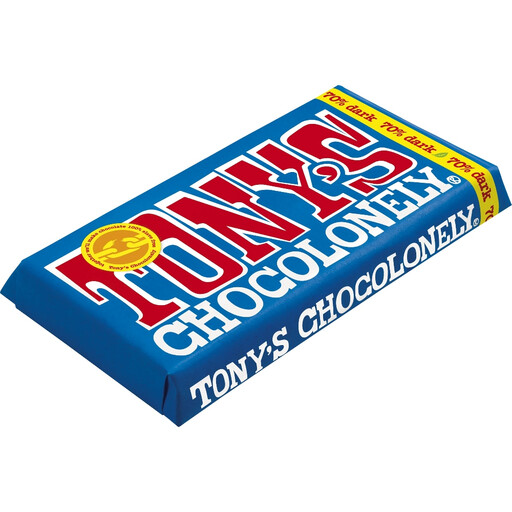 No image available
The 180 g format is worth considering if one bar needs to be divided among several guests. Check the pack for its cocoa percentage and for allergens: the listing says it contains soya and may contain gluten, eggs, milk, nuts and peanuts.
 No image available
Consider this 85% bar when the intended guests already want an intense dark-chocolate flavour. It is a 90 g bar; the listing says it may contain almonds, hazelnuts and milk, so check the current pack before sharing.
 No image available
This 100 g, 85% bar is a choice for guests who already prefer a more intense cocoa flavour. Its listing says it contains soya and may contain gluten, milk, nuts and peanuts; check the current wrapper before serving.
A plain 70–75% bar is a practical starting point when you do not know everyone’s dark-chocolate preferences. Choose an 85% or 100% bar when the intended guests already want a more intense cocoa flavour; no percentage guarantees that everyone will like it.
No. Lindt says its EXCELLENCE 70% bar is made to a vegan recipe but is not suitable for people with a milk allergy, while Divine says its 70% bar may contain milk. Check the current bar’s full label against the guest’s requirements.
The Food Standards Agency explains that precautionary allergen labelling communicates that an allergen could be unintentionally present through cross-contact. Read the statement for the allergens relevant to your guests rather than treating it as a guarantee of suitability.
Read the current wrapper before serving. M&S advises shoppers that ingredient, dietary, nutrition and allergen information can change, so an earlier product description should not replace the label on the bar in hand.
Follow the storage directions on the bar you buy. M&S directs shoppers to keep its listed single-origin dark bars in a cool, dry place away from sunlight.