Organisers serving a mixed group
If colleagues have not expressed a preference for very intense chocolate, consider a plain 70% bar first. Confirm dietary requirements rather than assuming one bar will suit everyone.


For a work meeting without a stated preference for intense dark chocolate, a plain 70% bar is a sensible starting point; choose 85% or 100% cocoa when the attendees are known to want that style. Before sharing any bar, check its current pack for ingredients and allergen warnings: a dark or vegan-recipe description does not establish suitability for someone with an allergy.
If colleagues have not expressed a preference for very intense chocolate, consider a plain 70% bar first. Confirm dietary requirements rather than assuming one bar will suit everyone.
An 85% or 100% bar is a more targeted choice when attendees have asked for intense dark chocolate. Montezuma’s Absolute Black offers a 100% cocoa, no-added-sugar recipe, but its allergen warning still needs attention.
Read the exact purchased bar’s ingredients and precautionary allergen statement before serving it. Warnings differ between dark bars, including products with vegan-recipe descriptions.
Start with the group’s flavour preference and dietary requirements, then choose a bar size and any ingredient or sourcing features that matter for this meeting.
| Priority | What to check | Your needs |
|---|---|---|
| Cocoa strength | Compare the stated cocoa percentages: researched single-bar options include 70%, 85% and 100%. Treat a higher percentage as a different flavour choice, not a quality rating. | I’m serving colleagues with no stated high-cocoa preference, so I would start by considering a plain 70% bar. If they have asked for intense dark chocolate, I can consider 85% or 100% instead. |
| Allergens | Read the current pack’s ingredients, allergen information and any “may contain” statement. Check the exact variant; a vegan-recipe description alone does not resolve milk-allergy suitability. | Someone attending may have an allergy, so I need to establish whether this particular bar is suitable before putting it out to share. |
| Ingredients and sourcing | Check the specific bar’s ingredient list and any stated Fairtrade, organic or ingredient-exclusion claims. Do not extend a claim from one product to a whole brand. | If Fairtrade ingredients, organic ingredients or avoiding a particular ingredient matters to our group, I want that information for the bar I actually buy. |
| Bar format | Compare the pack weight and whether the bar is plain or contains additions such as fruit. Check the labelled variant separately for allergens. | I need one bar to share, and I want its size and flavour to fit the number of colleagues and what they have asked for. |
Dark bars can carry different ingredient and cross-contact warnings. The Food Standards Agency explains that precautionary wording such as “may contain” communicates possible unintended allergen presence.
Ask about dietary requirements where practical, then check the exact pack before serving. Do not describe a shared bar as suitable for everyone on the basis of “dark” or “vegan” alone.
A 100% cocoa, no-added-sugar bar is a distinct choice from a plain 70% bar. It may not match the preferences of colleagues who have not asked for an intense style.
Choose cocoa strength around a known preference; for a mixed group without one, consider plain 70% before an 85% or 100% option.
Ingredients and allergen information can change. Marks & Spencer advises buyers to read the product label rather than rely solely on online information.
Check the bar in hand, particularly when an allergy or intolerance affects whether it can be served.
Fruit, nuts and other additions change the bar being served and may bring different allergen information. A flavour requested by some attendees need not suit the whole group.
When buying one bar for an unspecified group, consider a plain variant; if choosing a flavoured bar, check its exact label and whether colleagues want that flavour.
These examples show why the exact bar matters more than a brand name when choosing cocoa strength, ingredients and allergen suitability.
Lindt’s EXCELLENCE Dark 70% 100g bar is a plain 70% option to consider for a mixed group.
Divine’s plain 70% 90g bar is relevant when Fairtrade ingredients are a stated preference.
The Organic 70% Dark Chocolate 90g bar provides another plain 70% choice.
Absolute Black 100% Cocoa 90g is a specialist option for people who specifically want an unsweetened, high-cocoa bar.
Hotel Chocolat lists 70% and 85% dark slab selectors for buyers who specifically want a slab-style bar.
M&S Collection Dark Chocolate 85% 100g is a higher-cocoa option for attendees who ask for that style.
These single bars include plain 70% and higher-cocoa choices, a 72% bar, and a raspberry variant. Match the style to the meeting rather than treating every bar as interchangeable.
 No image available
A plain 70% bar to consider when the meeting has no stated preference for a higher-cocoa style. The product information identifies organic ingredients and Fairtrade cocoa, sugar and vanilla. It may contain nuts and milk; check the current pack before serving.
 No image available
A 72% dark bar to consider if a Dominican Republic cocoa description interests the group. It contains soya and may contain milk, nuts, peanuts and cereals containing gluten. Check the current pack before sharing it.
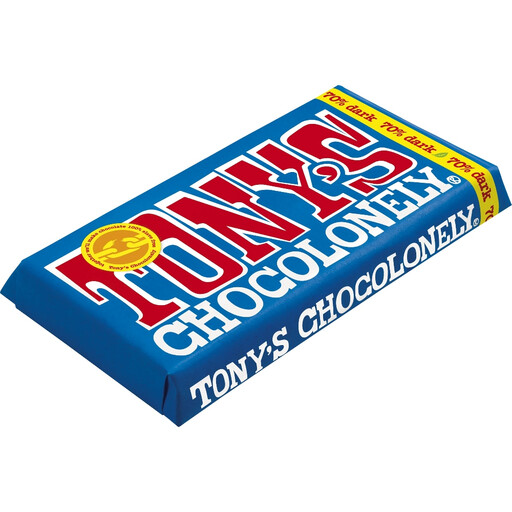 No image available
The 180g single-bar format is worth considering if that size fits the meeting. It contains soya and may contain gluten, eggs, milk, peanuts and nuts; read the current pack before serving.
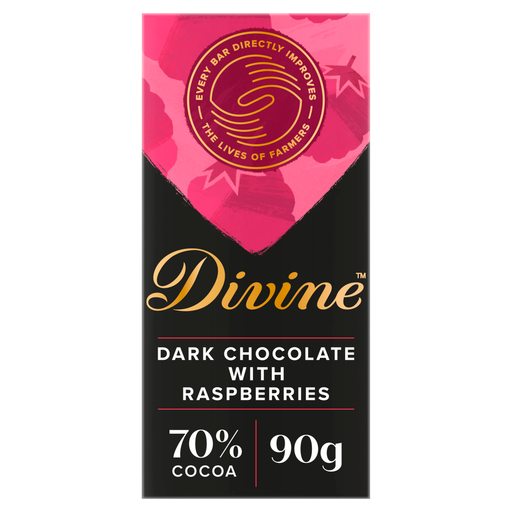 No image available
Choose this raspberry variant only if that added flavour suits the attendees; it is not the plain Divine 70% bar. The product information gives conflicting milk statements, so do not rely on its vegan-friendly wording to determine milk suitability. Check the current pack before buying for someone with a relevant dietary requirement.
 No image available
An 85% bar for a group known to prefer a more intense dark-chocolate style. It may contain nuts and milk; check the current pack’s allergen information before serving.
Consider a plain 70% bar if the group has not stated a preference for intense dark chocolate. An 85% bar is a more targeted choice when attendees have asked for a higher-cocoa style; neither cocoa percentage establishes allergen suitability.
No. For example, Lindt’s EXCELLENCE Dark 70% bar may contain milk and nuts, while M&S says its Collection 85% bar is not suitable for people with milk, nut or peanut allergies. Check the exact purchased bar’s current label before serving.
Yes. The Food Standards Agency explains that precautionary allergen labelling indicates an allergen could be unintentionally present. Do not disregard a relevant warning when deciding whether to serve a bar to someone with an allergy.
No. Lindt describes its EXCELLENCE Dark 70% bar as made to a vegan recipe but states that it is not suitable for people with a milk allergy because it is made in a facility that uses milk. Follow the exact product’s allergen and suitability statements.
Follow the storage instructions on the purchased pack. Marks & Spencer instructs buyers to keep its dark chocolate in a cool, dry place away from sunlight.