For a school bake sale, choose a single dark-chocolate bar that can stay unopened in its manufacturer packaging, and check the exact pack’s ingredients and allergen statements before offering it. A plain bar around 70%–75% cocoa is a starting point if you want a familiar dark-chocolate option; choose a higher-cocoa or flavoured bar for a specific preference, without treating cocoa percentage or a vegan description as evidence of allergy suitability.
Who is choosing the bar?
School bake-sale organisers
Keep the exact bar’s ingredient information available and plan how it will be handled alongside other food. GOV.UK says a food business producing prepacked-for-direct-sale food must label it with the food name and a full ingredients list; organisers should check how the rules apply to their event before repacking food.
Parents bringing one bar
An unopened bar in its original wrapper lets organisers and buyers inspect the manufacturer’s information. Check the particular pack rather than assuming a dark or vegan bar is suitable for someone with an allergy.
Buyers choosing a cocoa style
Decide whether the intended buyer wants a bar around 70%–75% cocoa or a higher-cocoa option. Check ingredient and allergen statements in either case: cocoa percentage does not answer the allergy question.
What should you check first?
Start with the exact pack and how the bar will be offered, then choose the cocoa percentage and recipe that fit the intended buyer.
| Priority | What to check | Your needs |
|---|
| Pack and allergens |
Check the unopened pack’s ingredients and precautionary allergen statements. Keep its information with the bar when it is displayed or served. |
I want organisers and buyers to be able to identify the exact bar and read its allergen information. |
| Dietary descriptions |
Read a vegan description separately from any milk-allergy warning. Lindt says its Excellence 70% bar is made to a vegan recipe but is not suitable for people with a milk allergy. |
A vegan recipe matters to me, but I still need to check whether this particular bar meets an allergy-related requirement. |
| Cocoa and recipe |
Compare the stated cocoa percentage, then check whether the bar is plain or contains flavourings or inclusions. Review each distinct recipe’s ingredients. |
I’m choosing between a plain bar around 70%–75% cocoa and a higher-cocoa bar for someone who specifically wants it; fruit or nut recipes need their own check. |
| Ingredient preferences |
Check any Fairtrade, organic or no-added-sugar claim on the exact product. Continue to read its allergen statement independently. |
I may prefer a particular sourcing or ingredient claim, without letting it stand in for the bake sale’s allergen checks. |
Mistakes to avoid
-
Assuming dark or vegan means suitable for an allergy
Divine’s 70% bar carries a precautionary warning for gluten, milk and nuts. Lindt says its vegan-recipe Excellence 70% bar is not suitable for people with a milk allergy.
Check the current physical pack’s ingredients and warnings against the sale’s allergen arrangements; do not use the chocolate’s colour or a vegan description as a substitute.
-
Removing the wrapper before buyers can check it
Separating a bar from its wrapper makes its particular ingredient information harder to identify. Repacking food may also require the organiser to assess whether prepacked-for-direct-sale rules apply.
Keep the bar in its original packaging until it is offered, and ask the relevant food-safety team for advice before changing how food is packed for the sale.
-
Treating every dark-chocolate recipe alike
A bar containing nuts or other inclusions has a different ingredient profile from a plain bar. Hotel Chocolat’s dark range, for example, includes fruit-and-nut and hazelnut options.
Identify flavoured and inclusion bars separately, and check each exact recipe before offering it.
-
Choosing a higher cocoa percentage as an allergy shortcut
Cocoa percentage does not establish allergy suitability. Manufacturer information for higher-cocoa bars also includes milk or nut precautions.
Choose an 85% bar when that cocoa style is wanted, and make the allergen decision from its current pack.
Brand and range references
These examples show why the exact recipe and pack matter; a brand name alone does not establish suitability for a school sale.
Divine
Divine has a 70% dark-chocolate single bar.
- A plain 70% option for shoppers comparing cocoa percentages.
- Divine’s product information says the bar may contain gluten, milk and nuts.
Lindt
The Lindt Excellence range includes a 70% dark bar.
- The Excellence 70% bar is listed as a 100g bar.
- Lindt says this vegan-recipe bar is made in a facility using milk and is not suitable for people with a milk allergy.
Montezuma's
Its dark-bar options include FitzRoy Organic 74% and the distinct Absolute Black 100% cocoa bar.
- The two bars offer different stated cocoa percentages.
- Montezuma's says FitzRoy may contain traces of milk, nuts and peanuts; check the exact pack of either recipe before choosing it for the sale.
M&S
M&S lists a 75% single-origin dark bar and a separate 85% dark bar.
- The stated percentages help distinguish the two cocoa styles.
- M&S says its 75% bar is not suitable for milk, nut or peanut allergy; its 85% product information also warns against suitability for a milk allergy.
Hotel Chocolat
Its dark-chocolate range includes bars with different recipes and inclusions.
- The range includes fruit-and-nut and hazelnut dark-chocolate options.
- Check each recipe’s ingredients and allergen information rather than applying one decision to the whole range.
Single-bar options on Joybuy
These single dark-chocolate bars include different stated cocoa percentages and pack sizes. For a school bake sale, confirm that the bar supplied is unopened in its original packaging and check its current allergen statement before offering it.
 No image available
Green & Black's Dark 70% Chocolate, 90g
A 90g bar stating 70% cocoa for someone choosing within that cocoa range. Confirm the current pack’s allergen wording and whether it will remain in its original wrapper for the sale.
 No image available
Morrisons The Best Dominican Republic 72% Dark Chocolate, 100g
A 100g Dominican Republic dark-chocolate bar stating 72% cocoa. Check the exact pack’s ingredients and allergen statements, and keep the wrapper with the bar at the sale.
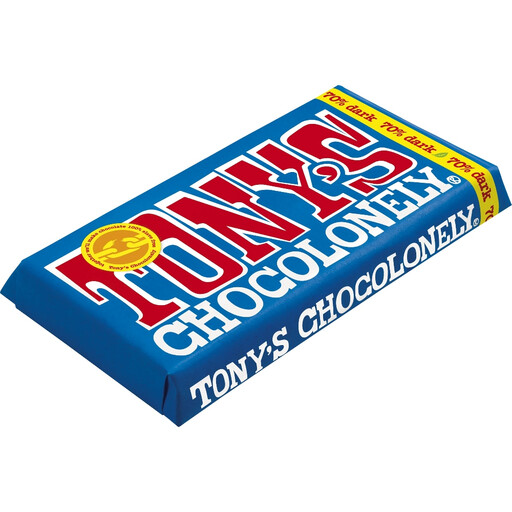 No image available
Tony's Dark Chocolate, 180g
This is a 180g single bar. Check whether that size fits the sale’s planned format, then read the current pack’s ingredients and allergen information before offering it.
No image available
Green & Black's Dark 85% Chocolate, 90g
A 90g option for a buyer deliberately choosing an 85% cocoa bar. Its cocoa percentage does not settle allergen suitability, so check the current physical pack before including it in the sale.
 No image available
Lindt Excellence 85% Cocoa Dark Chocolate, 100g
A 100g bar for someone specifically choosing 85% cocoa. Read its physical pack to distinguish ingredients from precautionary allergen warnings before deciding whether it fits the sale’s arrangements.
Questions about bake-sale bars
Should an unopened branded bar keep its wrapper at the sale?
Yes. Keep the original packaging with the bar so people can identify its manufacturer ingredient and allergen information. Anaphylaxis UK recommends providing as much allergen information as possible at school bake sales.
Does vegan dark chocolate suit someone with a milk allergy?
Do not assume it does. Lindt says its Excellence 70% bar is made to a vegan recipe but is manufactured in a facility using milk and is not suitable for people with a milk allergy. Check the warning on the exact bar being offered.
Can I assume a plain dark-chocolate bar is nut-free?
No. Divine’s 70% bar says it may contain nuts, and Montezuma's says its FitzRoy 74% bar may contain traces of nuts and peanuts. Read the current pack even when the bar has no visible nut pieces.
What should happen to bars left after the sale?
Follow each bar’s pack instructions and keep its ingredient and allergen information attached if it is passed on. Do not separate a leftover bar from the wrapper people need to identify it.


