Hosts serving a mixed party table
If guests have not asked for an especially intense bar, compare plain 70–74% options before choosing a more specialised flavour. Check the selected bar’s allergen wording, particularly when it will be shared.


For a mixed birthday-party table, start with a plain 70–74% cocoa bar if guests are expecting that style of dark chocolate; keep a 100% cocoa bar for someone who specifically wants an unsweetened, intense option. Flavoured bars and gift-style slabs serve different purposes, and no cocoa percentage or vegan label replaces checking the exact wrapper against guests’ allergies before serving.
If guests have not asked for an especially intense bar, compare plain 70–74% options before choosing a more specialised flavour. Check the selected bar’s allergen wording, particularly when it will be shared.
A 100% cocoa bar makes more sense when the recipient has said they enjoy unsweetened chocolate. It need not stand in for every guest’s dark-chocolate option.
Before buying chocolate for an event involving pupils, establish who is providing the food and ask the school what its rules permit. England’s school-food requirements need to be considered separately from a private birthday party.
Decide whether the chocolate is a ready-to-eat treat, a particular person’s gift or an ingredient for dessert; then compare the label details that matter to the guests.
| Priority | What to check | Your needs |
|---|---|---|
| Flavour profile | Compare the stated cocoa percentage and whether the bar is plain or flavoured. A 100% cocoa, no-added-sugar bar is a different choice from a 70–74% bar. | For a mixed table, I’d choose a plain dark bar unless I know guests want an unsweetened, intense cocoa flavour. |
| Allergens and ingredients | Read the ingredients and precautionary allergen statement on the exact wrapper. A vegan recipe does not establish suitability for someone with a milk allergy. | If a guest has an allergy, I need to check the particular bar against their requirements before serving it. |
| How it will be used | Check whether the product is a ready-to-eat bar, a gift-style slab or chocolate intended for baking. Look at the stated bar size if it will be shared. | Am I setting out a bar for guests, giving one person a present or making a birthday dessert? |
| Product claims | Check sourcing, organic or packaging claims for the specific product rather than assuming they apply across a brand’s range. | If one of these claims matters to me or the recipient, I want it to apply to the bar I actually buy. |
| School setting | In England, confirm whether food is being provided to pupils in a school setting and obtain the school’s approval before selecting chocolate. The Requirements for School Food Regulations 2014 classify chocolate as confectionery. | For an event at a school, I need to know the venue’s requirements before planning a chocolate treat. |
Montezuma’s 100% cocoa Absolute Black is an unsweetened option, while the plain 70–74% bars offer a different cocoa profile. One choice does not automatically suit everyone at the party.
Choose a 100% bar when the recipient has expressed that preference; otherwise, compare the plain bars first.
Lindt says its Excellence 70% bar is made to a vegan recipe but is unsuitable for people with a milk allergy. Divine’s 70% bar also carries a precautionary milk warning.
Ask about allergies and check the current wrapper of the exact product before serving it.
Food provided to pupils in an England school setting raises a different question from chocolate served at a private party. England’s Requirements for School Food Regulations 2014 include chocolate in the definition of confectionery.
Confirm the event arrangements and ask the school what may be provided before buying chocolate for pupils.
M&S presents its 70% dark chocolate for cakes, cookies and desserts. That is a different plan from handing guests a single bar as supplied.
Choose according to whether you will prepare a dessert or serve the chocolate directly, and check the finished dessert’s ingredients before sharing it.
These examples show different formats and label considerations; they are not a list of brands available in the product section below.
Divine lists a plain 90g bar with 70% cocoa, distinct from its raspberry-flavoured bar shown below.
Lindt Excellence includes a 100g dark bar with at least 70% cocoa solids.
FitzRoy Organic 74% and Absolute Black 100% offer two distinct cocoa profiles, each listed as a 90g bar.
Its 70% Dark Chocolate Slab Selector is a gift-style alternative to a conventional single bar.
M&S presents its 100g dark chocolate, with at least 70% cocoa solids, as an ingredient for cakes, cookies and desserts.
These bars offer plain 70–72% choices for a party table, a raspberry-flavoured 70% choice and a larger 51% bar with almonds and sea salt for sharing. They are not interchangeable for guests with allergies.
 No image available
A plain 70% bar to consider when the party calls for a ready-to-eat dark-chocolate option. The listing states a 90g bar and describes organic ingredients and Fairtrade sourcing. It says the product may contain milk, almonds, hazelnuts or other nuts; check the current wrapper before serving guests with allergies.
 No image available
Choose this flavoured bar only if raspberry appeals to the intended guests rather than as a plain-bar substitute. Its listing states at least 70% cocoa solids, a 90g bar and 3% freeze-dried raspberry pieces. The product information gives conflicting milk allergen statements, so do not rely on vegan-friendly wording: check the current wrapper before serving.
 No image available
This 100g bar is another stated 70–74% cocoa option for a ready-to-eat party table. The listing gives a minimum of 72% cocoa solids and says it contains soya and may contain gluten, milk, nuts and peanuts. Compare the current wrapper with guests’ dietary requirements.
 No image available
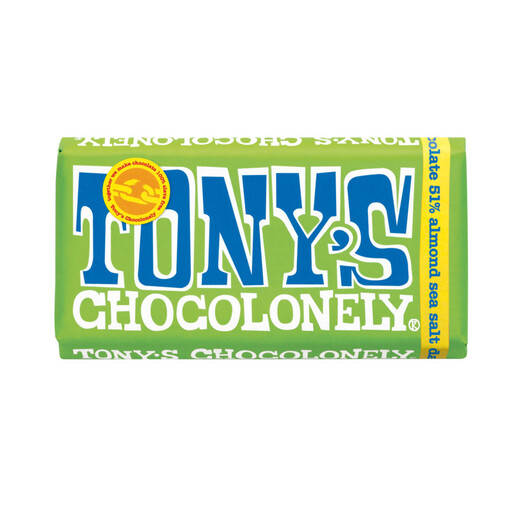
Consider this larger bar when guests want almonds and sea salt and the chocolate will be shared. Its listing states 51% minimum cocoa solids, 180g and six servings, so it differs from the plain 70–74% choices. It contains almonds and soya and may contain gluten, eggs, milk and nuts; check the wrapper against guests’ allergies.
Ask the school before buying or bringing them, particularly if food will be provided to pupils. In England, the Requirements for School Food Regulations 2014 classify chocolate as confectionery, and Department for Education school-food guidance addresses food provided in relevant school settings. The arrangements for a private party are not established simply by the fact that chocolate is involved.
Not necessarily. Lindt says its Excellence 70% bar is made to a vegan recipe but is unsuitable for people with a milk allergy, while Divine’s plain 70% bar carries a precautionary milk warning. Check the current wrapper of the exact bar against the guest’s allergy requirements before serving.
Choose a 100% cocoa bar as the sole option only if it matches the intended guests’ stated preference for unsweetened chocolate. Montezuma’s Absolute Black has no added sugar and a different cocoa profile from the plain 70–74% bars, so it should not be assumed to suit everyone who likes dark chocolate.
Check each physical wrapper for the correct product, ingredients, allergen and precautionary statements, best-before date and storage instructions. This matters particularly where bars are being shared or a guest has an allergy; product information, including the details M&S advises customers to check on-pack, can change.