Hosts serving a mixed adult group
A bar around 70% cocoa offers a starting point for a shared selection. Add a higher-cocoa bar when you know some guests prefer a more intense taste, rather than making it the only choice.


For a mixed adult party, a plain bar around 70% cocoa is a practical starting point for sharing; add an 85% or 100% bar if guests are known to prefer a more intense taste. If each guest needs a sealed favour, choose individual bars rather than dividing a sharing bar, and check the current pack’s allergen information before serving.
A bar around 70% cocoa offers a starting point for a shared selection. Add a higher-cocoa bar when you know some guests prefer a more intense taste, rather than making it the only choice.
Look for individually sized bars if each guest should receive one wrapped item. Divine, for example, lists a pack of 30 separate 35g bars; a 90g or 100g bar serves a different, sharing purpose.
Check the exact pack for guests with allergies: a vegan recipe does not settle whether a bar is suitable for them. If food is supplied through an England state-school catering arrangement, confirm the applicable school-food requirements with the school or caterer before buying.
Decide whether the chocolate will be shared or handed out first, then choose a cocoa level and check the packs against guests’ dietary needs.
| Priority | What to check | Your needs |
|---|---|---|
| Cocoa level | Compare the stated cocoa percentages. Consider a bar around 70% for a mixed-group starting point; reserve 85% or 100% for guests who want a more intense option. | I want a dark option the group can start with, plus a stronger-tasting choice if I know someone will enjoy it. |
| Allergens | Read the ingredients and precautionary allergen statement on each current pack. The Food Standards Agency explains that precautionary labelling communicates the possibility of unintended allergen presence. | Guests with allergies need a check of the exact bar I plan to serve; a vegan claim alone will not answer that question. |
| Serving format | Check the weight and number of bars in the pack. A 90g or 100g bar can be divided for sharing; Divine lists a pack containing 30 separate 35g bars. | If everyone needs a sealed favour, I want one separate bar per guest. For a table of chocolate squares, a sharing bar suits the plan. |
| Flavour | Check whether the bar is plain or contains additions such as fruit, then read the exact variant’s ingredients and allergen statement. | A plain bar makes a straightforward shared choice; I might add a flavoured bar for guests who want variety. |
| School setting | If an England state-school caterer supplies the food, ask the school or caterer how the event is treated under the School Food Regulations 2014. Department for Education guidance says changes proposed for September 2027 remain subject to Parliamentary approval. | For a school-catered party, I need the responsible provider’s decision before purchasing. An ordinary private or workplace party is not the same setting. |
Lindt says its EXCELLENCE 70% bar is made to a vegan recipe but is not suitable for people with a milk allergy. Divine’s 70% bar also carries a precautionary milk warning.
Read the ingredients and allergen information on the exact current pack for every bar and flavour you intend to serve.
An 85% or 100% bar offers a different, more intense taste than the 70% options considered here. It need not be the sole dark-chocolate choice for a mixed group.
Start with a bar around 70% cocoa and add a higher-cocoa alternative when guests are known to want one.
Squares divided from a full-size bar are not separately wrapped items for guests to take away.
Count the guests and choose individual bars if each person needs a sealed favour; use sharing bars and clean serving tools for a table selection.
Turning sharing bars into separate favours also takes time and requires wrapping and portioning them.
The Requirements for School Food Regulations 2014 and Department for Education school-food guidance concern food provided in state-funded schools in England, not a general restriction on buying chocolate for a private party.
If the event is supplied through an England state-school catering arrangement, ask the school or caterer to confirm the requirements for that event before purchasing.
These examples illustrate formats and pack checks; a brand name alone does not establish the ingredients or allergen status of every bar it makes.
Its business range identifies a Dark 70% 90g bar, a format to consider when buying bars to divide for guests.
Divine lists both a 70% 90g bar and a pack of 30 individual 35g 70% bars, giving hosts distinct sharing and favour formats.
Lindt lists an EXCELLENCE Dark 70% 100g bar for a shared selection.
Absolute Black is Montezuma’s 100% cocoa bar: a specialist addition when guests specifically want an unsweetened, intense cocoa taste.
Hotel Chocolat lists 70% and 85% dark-chocolate slab selectors for hosts considering a slab-style presentation.
The M&S Collection Dark Chocolate 100g bar states at least 85% cocoa solids, making it an option for guests seeking a higher-cocoa bar.
These are single bars to consider for a shared Christmas-party selection, including higher-cocoa and raspberry options. Choose separately sized bars instead if the plan calls for one sealed favour per guest.
 No image available
A 100g sharing bar at 72% cocoa, close to the around-70% starting point for a mixed-group selection. Check the current pack’s allergen information before serving.
 No image available
This 90g bar fits a shared selection at 70% cocoa, rather than a one-bar-per-guest favour. Check the exact current pack’s allergen wording before offering it to guests with allergies.
 No image available
A raspberry variation for a shared selection, in a 90g bar with 70% cocoa. Check the current pack’s ingredients and allergen statement rather than relying on a vegan description for this variant.
 No image available
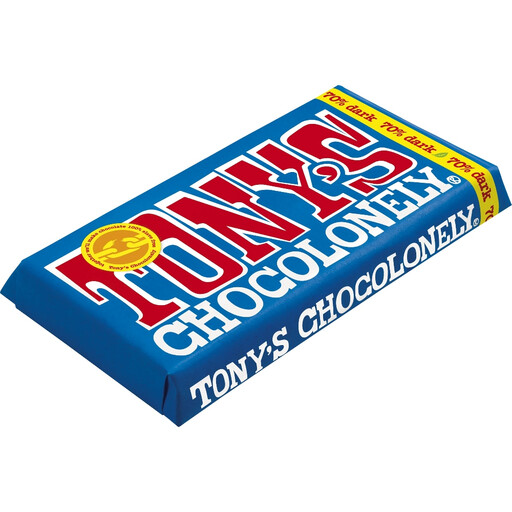
The 180g bar is a sharing format, not a separate sealed favour for each guest. Read its current pack for the cocoa percentage and allergen information before adding it to the table.
 No image available
A 100g sharing bar to offer alongside a lower-cocoa option when some guests prefer a more intense dark chocolate. Check the current pack’s allergen statement before serving.
For a mixed adult group, a plain bar around 70% cocoa is a practical first choice for sharing, not a guarantee of everyone’s preference. Add an 85% or 100% option if you know guests enjoy a more intense taste.
Do not assume so. Lindt says its EXCELLENCE 70% bar is made to a vegan recipe but is not suitable for people with a milk allergy; read the current ingredients and allergen statement for the exact bar you intend to serve.
Choose individual bars when each guest needs a separately wrapped item; Divine lists a pack of 30 individual 35g bars. Full-size bars suit a sharing table or a plan to give each guest a whole larger bar.
Ask the school or caterer to confirm how the event is treated before purchasing. The Requirements for School Food Regulations 2014 define chocolate as confectionery, and Department for Education guidance addresses food provided in state-funded schools in England; changes proposed for September 2027 remain subject to Parliamentary approval.
Follow the storage instructions on the bars you buy and keep wrappers sealed until serving where practical. M&S instructs buyers of its 85% dark bar to store it in a cool, dry place away from sunlight.