Households planning an occasional treat
If the bar is for a half-term treat at home, consider the portion as well as the pack. The NHS advises keeping the frequency and amount of sugary foods, including chocolate, as low as possible.


For an occasional half-term treat at home, choose a bar around the recipient’s preferred cocoa intensity, then check the exact pack’s sugars and allergen statement. A bar around 70% cocoa is a starting point if a stronger flavour is uncertain; 85% and 100% bars are choices for someone who already enjoys more intense dark chocolate, not everyday snacks simply because they contain more cocoa.
If the bar is for a half-term treat at home, consider the portion as well as the pack. The NHS advises keeping the frequency and amount of sugary foods, including chocolate, as low as possible.
A bar around 70% cocoa offers a different starting point from an 85% or unsweetened 100% bar. Choose the stronger options for someone who already likes an intense cocoa flavour, and check each product’s nutrition panel separately.
Ingredient claims and allergen warnings answer different questions. Read the current label on the exact bar, including any “may contain” or “not suitable” wording, before choosing for someone with an allergy.
Start with flavour preference and the intended occasion, then compare nutrition information on the same per-100g basis and read the exact pack’s allergen declaration.
| Priority | What to check | Your needs |
|---|---|---|
| Cocoa flavour | Check the cocoa percentage and whether the recipient already enjoys pronounced dark chocolate. Do not use cocoa percentage alone to judge nutrition. | I’m unsure how a stronger bar will go down, so I’d start around 70% rather than choose 100% cocoa by default. |
| Listed sugars | Compare sugars per 100g on the exact nutrition panels, then consider how much of the bar will be served. Manufacturer figures for the researched bars range from 0.4g to 44.2g sugars per 100g across different products. | For an occasional treat, I want to know what this particular bar contains, not assume that “dark” means a particular sugar level. |
| Allergen wording | Read the ingredients, precautionary statements and explicit suitability warnings on the current pack. A vegan-recipe claim does not settle milk-allergy suitability: Lindt says its Excellence 85% bar is not suitable for people with a milk allergy. | Someone in my household needs an allergen check, so I’ll use the declaration for the exact bar rather than its general dietary description. |
| Where it will be eaten | Distinguish a family’s at-home purchase from food provided at school. The Department for Education’s school-food guidance concerns state-funded schools in England; check the relevant setting and nation for school-provided food. | This is a treat at home during half term, rather than food being provided by a school. |
Manufacturer declarations for the researched bars differ substantially: M&S lists 44.2g sugars per 100g for its 55% Choc Marks bar, while its 100% Cocoa Single Origin bar lists 0.4g per 100g. Those figures do not make cocoa percentage a substitute for reading the label.
Compare the exact products on a per-100g basis and decide how the bar fits an occasional treat. The NHS advises limiting the frequency and amount of sugary foods.
Lindt describes its Excellence 85% bar as made to a vegan recipe but says it is not suitable for people with a milk allergy. Divine’s vegan-labelled 85% bar says it may contain milk.
For an allergy, check the current pack’s ingredients, “may contain” wording and explicit suitability warnings rather than relying on a vegan claim.
The Requirements for School Food Regulations 2014 define chocolate as confectionery within an England school-food framework. The Department for Education’s guidance addresses food provided in state-funded schools in England, not a family’s at-home purchase.
For food provided at school, ask the school or caterer which rules apply to its setting and UK nation. For a treat at home, focus on the bar’s ingredients, portion and intended frequency.
These manufacturer and retailer examples show why the exact bar matters more than a brand-wide assumption about flavour, nutrition or allergies.
Divine lists an 85% dark chocolate bar in a 90g format.
Lindt Excellence includes an 85% cocoa dark chocolate bar in a 100g format.
Montezuma's offers plain and flavoured dark bars, including its 90g Absolute Black 100% cocoa bar.
Hotel Chocolat lists individually sold 70% and 85% Dark Chocolate Slab Selector options.
M&S lists both a 55% Choc Marks dark bar and a 100% Cocoa Single Origin bar.
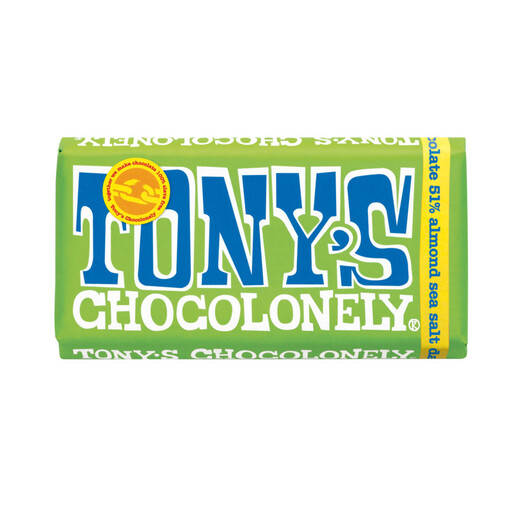
These single-bar options cover stronger plain dark chocolate, a 72% cocoa bar and a larger bar with almonds and sea salt. Choose by flavour preference and format, then check the current pack for nutrition and allergens.
 No image available
Consider this 85% cocoa bar for someone who already enjoys a pronounced dark-chocolate flavour. Check its current nutrition and allergen label before serving.
 No image available
This 85% cocoa bar is an option for an established taste for stronger dark chocolate. Lindt lists 15g sugars per 100g and says its vegan-recipe bar is not suitable for people with a milk allergy; check the current pack for all allergen warnings.
 No image available
Choose this 85% cocoa bar if the recipient already likes an intense dark-chocolate flavour. Its 90g pack is a different size from the 100g bars here, so use per-100g figures when comparing nutrition panels and read the current allergen label.
 No image available
This 72% cocoa bar offers a different flavour-strength starting point from the 85% bars if the recipient’s preference is uncertain. Cocoa percentage alone does not establish its sugar content or allergy suitability, so check the exact pack.
 No image available
This larger bar is a different choice from the plain 90–100g options if almonds and sea salt are wanted. It contains almonds; read the current pack for its full ingredients, allergen warnings and nutrition information before sharing.
No. Cocoa percentage does not establish how often to serve a bar or what its nutrition panel says. Compare the exact product’s sugars per 100g and the portion you intend to serve; the NHS advises keeping the frequency and amount of sugary foods, including chocolate, as low as possible.
A bar around 70% cocoa is a starting point when their tolerance for an intense flavour is uncertain. Consider 85% or unsweetened 100% cocoa for someone who already enjoys that profile, and check the chosen bar’s nutrition and allergen label separately.
Not necessarily. Lindt says its vegan-recipe Excellence 85% bar is not suitable for people with a milk allergy, while Divine’s vegan-labelled 85% bar says it may contain milk. Use the current allergen declaration for the exact product rather than the vegan description.
The cited school-food framework does not govern a family’s at-home purchase. The Requirements for School Food Regulations 2014 define chocolate as confectionery for their England school-food context, and Department for Education guidance addresses food provided in state-funded schools in England. For school-provided food, confirm the rules that apply to the particular setting and UK nation.
Yes, particularly when ingredients or allergens affect the choice. M&S warns that product information can change and advises shoppers to read the current label; check the exact pack’s nutrition and allergen wording even if you have bought that bar before.