Shoppers looking for a high cocoa percentage
If a darker-sounding name is not enough, compare the declared cocoa solids and sugars per 100g. Lindt lists 70% minimum cocoa solids for Excellence Dark 70%; Cadbury Darkmilk lists 38% minimum.


If a high cocoa percentage matters most, check the declared cocoa solids: Lindt Excellence Dark 70% lists 70% minimum and 29g sugars per 100g, while Cadbury Darkmilk lists 38% minimum cocoa solids. A KitKat 4 Finger Dark offers a defined 41.5g wafer-bar portion instead of a plain high-cocoa bar. If bedtime is close, Doncaster and Bassetlaw Teaching Hospitals NHS Foundation Trust advises limiting or avoiding caffeine, including chocolate, before bed.
If a darker-sounding name is not enough, compare the declared cocoa solids and sugars per 100g. Lindt lists 70% minimum cocoa solids for Excellence Dark 70%; Cadbury Darkmilk lists 38% minimum.
If caffeine affects your evening routine, consider whether chocolate belongs in a snack just before bed. Doncaster and Bassetlaw Teaching Hospitals NHS Foundation Trust includes chocolate among the caffeine sources it advises limiting or avoiding before bedtime.
A single bar and a larger bar divided into portions invite different choices. KitKat lists its 4 Finger Dark as a 41.5g bar; the Cadbury Darkmilk 90g listing describes three portions.
Start with the cocoa declaration, then check the amount you intend to eat, the ingredients and how soon you plan to go to bed.
| Priority | What to check | Your needs |
|---|---|---|
| Cocoa and sugars | Read the cocoa-solids declaration; compare sugars on the same per-100g basis. Lindt lists 70% minimum cocoa solids and 29g sugars per 100g for Excellence Dark 70%, while the Cadbury Darkmilk 90g listing gives 38% minimum and 49g sugars per 100g. | I want a stated high cocoa percentage, rather than relying on the word “dark” in the name. |
| Bedtime timing | Consider when you will eat the chocolate and your response to caffeine. Doncaster and Bassetlaw Teaching Hospitals NHS Foundation Trust advises limiting or avoiding caffeine, including chocolate, before bed. | If I am going to bed soon, a chocolate bar may not fit the evening routine I am trying to keep. |
| Portion format | Check bar weight, portions per pack and nutrition per serving. KitKat lists 4 Finger Dark as one 41.5g bar with 208 kcal per serving; the Cadbury Darkmilk 90g listing describes three portions. | A defined single bar might suit me, or I might prefer to divide a larger bar across occasions. |
| Ingredients and allergens | Read the exact pack’s ingredients and allergen statements. KitKat 4 Finger Dark contains wheat and milk; Lindt says Excellence Dark 70% may contain nuts, milk, soya and sesame and is not suitable for people with a milk allergy. | Before choosing a dark-labelled bar, I need to know whether its wafer, milk ingredients or allergen warnings matter to me. |
The formats differ: Lindt lists 70% minimum cocoa solids for Excellence Dark 70%, while the Cadbury Darkmilk 90g listing states 38% minimum.
Use the cocoa-solids declaration on the current pack if a high percentage is your deciding factor.
Doncaster and Bassetlaw Teaching Hospitals NHS Foundation Trust names chocolate among caffeine sources to limit or avoid before bedtime.
If you are eating just before bed or are sensitive to caffeine, consider a non-chocolate option or have the chocolate earlier.
Lindt says Excellence Dark 70% is made to a vegan recipe but is not suitable for people with a milk allergy because it is made in a facility that uses milk.
For a milk allergy, follow the exact product’s allergy suitability statement and current pack declaration rather than the vegan-recipe wording alone.
A dark-chocolate coating does not describe everything inside a bar. KitKat 4 Finger Dark contains wheat and milk, while different bars carry different ingredient and precautionary allergen statements.
Check both the ingredients and any “may contain” wording on the exact flavour and pack you intend to buy.
These named products show why a plain dark bar, a wafer and milk-chocolate alternatives should be assessed by their own labels, not by brand name alone.
The Excellence Dark 70% bar is a plain, high-cocoa example for comparing cocoa and per-100g nutrition declarations.
Darkmilk is a milk-chocolate alternative for someone considering a more cocoa-led flavour without choosing a plain 70% dark bar.
4 Finger Dark is a dark-chocolate-coated wafer for someone choosing a defined individual bar rather than plain dark chocolate.
Galaxy’s listed milk chocolate provides a point of comparison for shoppers deciding whether they want a dark bar at all.
The listed 40g Snickers is a peanut, caramel and milk-chocolate alternative, not a plain dark bar.
These Joybuy options are dark chocolate bars with stated cocoa percentages, including plain, nut-and-salt and raspberry varieties. Choose by the format and pack that suit your intended portion, and consider bedtime timing separately.
 No image available
The 90g bar states 70% dark chocolate, making its declared cocoa percentage relevant if that is your starting point. Check the current pack for serving details and allergen information; chocolate may not suit a snack close to bedtime if you are limiting caffeine.
 No image available
This 100g dark chocolate bar states 72% cocoa. Check its current serving and allergen declarations when deciding how much to have after supper; the cocoa percentage alone does not establish bedtime suitability.
 No image available
The title identifies an 85% cocoa dark bar in a 100g pack. Decide on a portion from the current pack information, and check its exact allergen declaration before buying if nuts, milk, soya or sesame matter to you.
 No image available
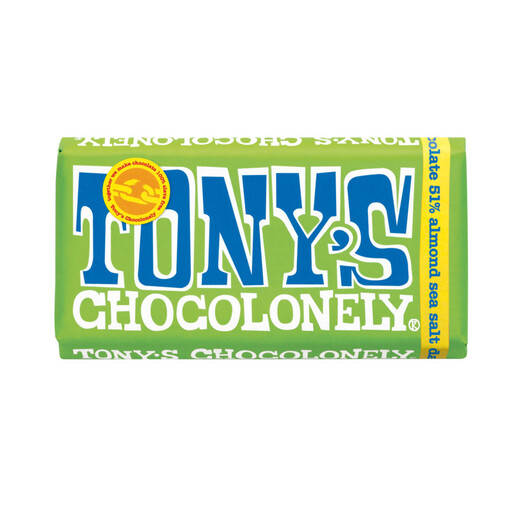
This 180g dark chocolate bar includes almonds and sea salt, rather than being a plain dark bar. Check the cocoa and portion declarations on the pack; its almonds make the exact allergen information especially important.
 No image available
This 90g bar combines a stated 70% dark chocolate with raspberries. Its product information gives conflicting milk and vegan descriptions, so check the current pack before relying on either dietary or milk-allergy suitability statement.
If you are limiting caffeine before bed, chocolate does not fit that aim. Doncaster and Bassetlaw Teaching Hospitals NHS Foundation Trust names chocolate among caffeine sources to limit or avoid before bedtime; that guidance does not mean every bar affects every person in the same way.
No: check the declared cocoa solids on the exact product. Lindt Excellence Dark 70% lists 70% minimum cocoa solids, whereas the Cadbury Darkmilk 90g listing states 38% minimum.
No. Lindt says Excellence Dark 70% is made to a vegan recipe but is not suitable for people with a milk allergy because it is made in a facility using milk. Follow the exact bar’s current allergy suitability statement and pack declaration.
No. KitKat 4 Finger Dark is a 41.5g wafer bar coated in dark chocolate, rather than a plain 70% cocoa bar; its ingredients include wheat and milk. It may suit a preference for an individual wafer bar, but check its ingredients if those allergens matter to you.