Trying darker chocolate
If you want a plain bar without starting at a very high cocoa percentage, the 70% options give you a place to begin. Flavour descriptions are specific to each bar, so compare those as well as the number on the wrapper.


For a plain dark-chocolate bar to eat during a TV night, 70% cocoa is a useful starting point among these options; choose a 72–74% plain bar if you want a more cocoa-led flavour, or a bar with fruit if you want a change from plain chocolate. Cocoa percentage alone will not tell you how a bar tastes, and vegan wording does not replace a check of the current pack’s allergen warning.
If you want a plain bar without starting at a very high cocoa percentage, the 70% options give you a place to begin. Flavour descriptions are specific to each bar, so compare those as well as the number on the wrapper.
If you prefer cocoa-led flavour to fruit or other additions, a plain 72–74% bar offers another direction to consider. Check the individual bar’s description rather than assuming cocoa percentage determines sweetness or texture on its own.
If vegan-recipe, Fairtrade, organic or palm-oil-free wording matters to you, compare the claim on the exact bar. For an allergy, read its current ingredient and allergen information separately from those claims.
Choose between plain and flavoured chocolate first, then compare cocoa percentage, the exact pack label and bar size.
| Priority | What to check | Your needs |
|---|---|---|
| Flavour | Compare plain with fruit or sea-salt additions. Among the bars discussed here, plain options include 70% and 72–74% cocoa; inclusions change the flavour choice independently of the cocoa figure. | I want chocolate to eat piece by piece through a programme. Would I enjoy a plain cocoa flavour, or do I want a noticeable addition? |
| Allergens | Read the exact bar’s ingredients and may-contain warnings. Check milk, nuts, peanuts, soya, sesame or gluten where relevant; vegan wording is not an allergy-safety statement. | If an ingredient or cross-contact warning matters to me, the current pack label needs to guide my choice—not a claim about the brand or a different bar. |
| Label claims | Look for the particular Fairtrade, organic or palm-oil-free claim you care about. Check whether it applies to the bar or its ingredients and read any qualification, such as mass-balance wording. | I’d like the sourcing or formulation claim I choose to match what matters to me, rather than treating different labels as interchangeable. |
| Bar size | Check the pack weight: the discussed bars include 90g, 100g and 125g formats. Decide how much of the bar you intend to open during the viewing session. | A smaller bar may fit what I want for one evening; if I plan to break off pieces over several sessions, the pack size matters differently. |
Lindt says its EXCELLENCE 70% bar is made to a vegan recipe but is not suitable for people with a milk allergy. Divine’s vegan-labelled 70% bar carries a may-contain milk warning.
If you need to avoid milk, read the current label of the exact bar rather than relying on vegan wording.
A cherry inclusion changes the choice between Montezuma’s Black Forest 70% and a plain dark bar; the percentage does not describe that difference.
Pick plain or flavoured first. Then compare cocoa percentages and the individual flavour descriptions within the style you want.
Divine makes Fairtrade-ingredient and palm-oil-free claims for its 70% bar. Tesco’s listing for Green & Black’s 70% identifies organic ingredients and qualifies its Fairtrade ingredient claim on a mass-balance basis. Those statements describe different attributes.
Check the wording of the claim that matters to you on the product you are considering.
Its 90g organic 70% dark bar is relevant if you want a plain bar with a Fairtrade ingredient claim.
Divine’s plain 90g 70% bar offers a different set of ingredient and sourcing claims from a flavour-led choice.
EXCELLENCE Dark 70% is a 100g plain-bar option. Lindt describes roasted-cocoa, fruit and vanilla notes.
The range includes the plain organic FitzRoy 74% bar and Black Forest, a 70% dark-chocolate bar with cherries.
Its 70% Dark Chocolate Batons offer a 15-finger format rather than the single-bar format considered here.
M&S Swiss Extra Fine Dark Chocolate is a 125g bar with 72% cocoa solids, described by M&S as an option for a quiet evening.
These single bars include a plain 70% option, higher-cocoa plain Lindt bars, and raspberry or sea-salt variations for a TV night. Choose by the flavour and label details that matter to you rather than treating them as interchangeable.
 No image available
This plain 90g bar suits a TV-night choice centred on 70% dark chocolate. Tesco identifies organic ingredients and Fairtrade cocoa, sugar and vanilla on a mass-balance basis for the corresponding Green & Black’s bar. Check the current pack if milk or nuts matter to you.
 No image available
Choose this 90g bar if you want raspberry with 70% dark chocolate rather than a plain cocoa flavour. Its product information gives conflicting vegan and milk wording, so do not rely on the vegan description; check the current ingredients and allergen statement, including the warnings for gluten, milk and nuts.
 No image available
This plain 100g bar is for a choice to go beyond the 70–74% examples discussed above. Its title states 85% cocoa; check the current pack’s allergen information if nuts, milk, soya or sesame matter to you.
 No image available
Consider this plain 100g bar if you specifically want a 90% cocoa option. That figure is well above the 70–74% bars used as starting points here, so compare the exact flavour description before choosing it for a relaxed snack.
 No image available
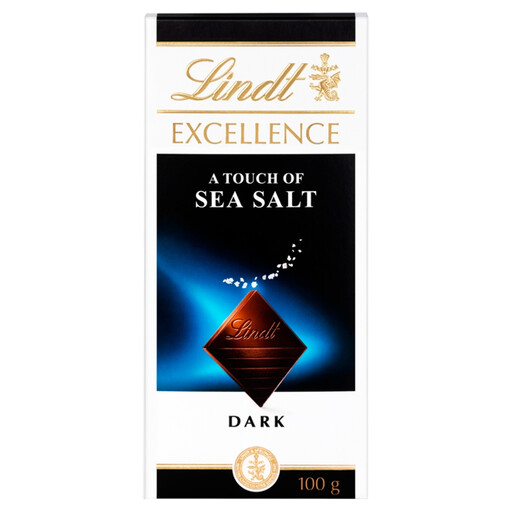
This 100g dark-chocolate bar offers a sea-salt variation instead of a plain bar or fruit inclusion. If cocoa intensity is important to your choice, check the percentage on the current pack; check its ingredient label too if milk or soya matter to you.
A plain 70% bar is a starting point if you want dark chocolate without choosing one of the much higher-cocoa bars. The 72–74% plain options discussed here are another choice if you want a more cocoa-led flavour; inclusions and each bar’s flavour description matter alongside the percentage.
No. Lindt says its EXCELLENCE 70% bar is made to a vegan recipe but is not suitable for people with a milk allergy, while Divine’s vegan-labelled plain 70% bar carries a may-contain milk warning. Read the current label of the exact bar when an allergy affects your choice.
Keep the remaining chocolate covered in a cool, dry place away from sunlight, and follow any storage instructions on its pack. Resealing the wrapper or using an airtight container helps protect the opened bar from its surroundings.