If you are sensitive to caffeine and heading to bed soon, a dark chocolate bar may not suit a midnight snack: chocolate contains caffeine, and NHS Borders advises avoiding caffeine for four hours before bedtime. If you still want chocolate, compare the exact bar’s cocoa level, sugars and allergen statement: the published labels put Lindt Excellence 90% at 7g sugars per 100g, against 29g for Lindt Excellence 70%, while Montezuma’s Absolute Black offers a no-added-sugar 100% cocoa option for those who want that intensity. Choose an amount to eat rather than treating the whole bar as one serving.
Who is this choice for?
People eating shortly before bed
If caffeine affects your bedtime routine, the timing of a chocolate snack matters as much as the bar you pick. NHS Borders identifies chocolate and cocoa as caffeine sources and advises avoiding caffeine for four hours before bedtime.
Shoppers comparing cocoa levels
A 70%, 90% or 100% label helps identify the bar, but it does not replace the nutrition panel or tell you whether you will enjoy its flavour. Compare the exact products and decide how much of the bar you intend to eat.
Vegan and allergy-aware shoppers
A vegan recipe is not the same as an allergen-free product. Lindt says its Excellence 90% bar is made to a vegan recipe but is not suitable for people with a milk allergy; other dark bars also carry may-contain warnings. Check the current pack for the exact variant.
What matters when choosing a bar?
Start with when you plan to eat it. If chocolate still fits your plans, use the exact bar’s label to narrow the choice by flavour, portion and allergens.
| Priority |
What to check |
Your needs |
| Bedtime timing |
Consider how soon you plan to sleep and whether caffeine affects you. NHS Borders advises avoiding caffeine for four hours before bedtime and lists chocolate among its sources. |
If I am about to sleep and caffeine is a concern, I would rather have chocolate earlier or choose a non-chocolate snack. |
| Cocoa and sugars |
Compare cocoa percentage and sugars per 100g on the exact bar. Lindt lists 29g sugars per 100g for Excellence 70% and 7g for Excellence 90%; Montezuma’s lists 0.6g for Absolute Black 100%. |
I want a cocoa level I will enjoy, without assuming that every higher-percentage bar has the same sugar content or flavour. |
| Amount to eat |
Check the pack weight and whether nutrition is given per 100g, per serving or both. Decide on an amount before opening a bar. |
A whole 90g or 100g bar is more than I intend to have as one midnight snack. |
| Allergens |
Read the ingredient and may-contain statements on the current pack. Do not use cocoa percentage or vegan wording as a substitute for an allergen check. |
If I need to avoid an ingredient or possible cross-contact, the exact bar’s warning matters more than its place in a dark-chocolate range. |
What is easy to overlook?
-
Assuming dark chocolate is sleep-neutral
Chocolate contains caffeine regardless of whether the bar is labelled 70%, 90% or 100% cocoa. NHS Borders advises avoiding caffeine for four hours before bedtime.
If bedtime is close and caffeine affects you, have chocolate earlier or choose a non-chocolate snack instead.
-
Choosing by cocoa percentage alone
Cocoa percentage and sugars are different label facts. The published Lindt labels list 29g sugars per 100g for Excellence 70% and 7g for Excellence 90%; that comparison does not describe every bar at those cocoa levels.
Read the exact nutrition panel, including the basis for its figures, and decide how much you plan to eat.
-
Treating a vegan recipe as allergy assurance
A bar made without milk ingredients can still carry a milk cross-contact warning. Lindt explicitly says its Excellence 90% vegan-recipe bar is not suitable for people with a milk allergy.
Check the current on-pack allergen statement for the precise product rather than relying on a range name or dietary filter.
Brand and product-line references
These references describe particular dark-chocolate products and ranges, not the stock or suitability of every bar made by each brand.
Divine
Divine’s 70% Dark Chocolate is a 90g bar. The company describes itself as farmer co-owned and says it pays Fairtrade prices and premiums for every possible ingredient.
- The published label lists 28.9g sugars per 100g for this 70% bar.
- Its product information warns that it may contain gluten, milk and nuts.
Lindt
Lindt’s Excellence range includes separate 70% and 90% dark chocolate bars, each with a published UK product label.
- The labels list 29g sugars per 100g for the 70% bar and 7g for the 90% bar, making the difference between these two variants clear.
- Lindt says the Excellence 90% bar is made to a vegan recipe but is not suitable for people with a milk allergy.
Montezuma’s
Montezuma’s dark-chocolate range includes Absolute Black, a 100% cocoa bar that the company describes as having no added sugar.
- The Absolute Black product page lists 0.6g sugars per 100g.
- Montezuma’s describes its cocoa flavour as intense, and the product carries a may-contain warning for milk, nuts and peanuts.
Hotel Chocolat
Hotel Chocolat’s dark range includes 70% and 85% batons alongside other formats, so the format and cocoa percentage both need checking.
- Batons offer a different format from a plain single bar.
- Check the ingredients, nutrition and allergens for the particular product rather than transferring details from another item in the range.
M&S
M&S lists a 70% dark chocolate product among its chocolate options.
- The published product information lists 29.6g sugars per 100g.
- The product information says it is not suitable for people with a milk allergy; check the current pack before buying.
Dark chocolate bars on Joybuy
These bars cover several cocoa levels and pack sizes for a planned chocolate snack. None should be assumed to avoid the bedtime caffeine consideration simply because it has a higher cocoa percentage.
 No image available
Lindt Excellence 90% Cocoa Supreme Dark 100g
Consider this 90% cocoa bar if you already enjoy an intense cocoa flavour and want to compare sugars with a 70% option. Lindt’s published Excellence 90% label lists 7g sugars per 100g, compared with 29g for its Excellence 70% bar. Lindt says the 90% recipe is vegan but not suitable for people with a milk allergy; chocolate also contains caffeine, so check the timing of a bedtime snack.
View on Joybuy
 No image available
Green & Black’s Dark 85% Chocolate 90g
This 85% cocoa, 90g bar is an option if you want a high-cocoa single bar but are choosing by the exact variant rather than a brand-wide claim. Check its current nutrition and allergen label, decide how much of the bar to eat, and bear in mind that chocolate contains caffeine near bedtime.
View on Joybuy
 No image available
Lindt Excellence 85% Cocoa Dark 100g
This 100g Excellence bar gives shoppers another stated cocoa level to consider alongside the 70% and 90% variants. Read the 85% bar’s own nutrition and allergen information rather than applying figures from a different Lindt bar, and consider the caffeine timing if you plan to eat it shortly before sleep.
View on Joybuy
 No image available
Morrisons The Best Dominican Republic Dark Chocolate 72% 100g
If you would rather consider a 72% cocoa bar than an 85% or 90% one, this 100g variant provides that choice. Compare its exact nutrition and allergen label before buying; a lower stated cocoa percentage does not settle bedtime suitability, because chocolate contains caffeine.
View on Joybuy
 No image available
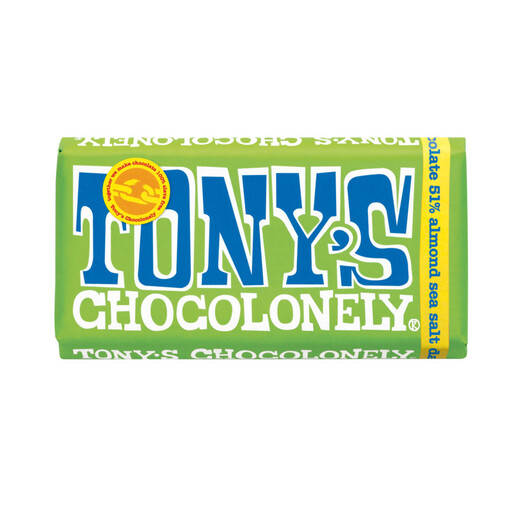
Tony’s Chocolonely Dark Chocolate with Almonds & Sea Salt 180g
This almond-and-sea-salt bar is a different flavour choice from the plain dark bars, but its 180g pack calls for an intentional portion if you want a small snack. Almonds are part of the named variant; check the full current allergen statement and nutrition label, particularly if eating it close to bedtime.
View on Joybuy
Frequently asked questions
Is dark chocolate a good choice immediately before sleep?
If you are sensitive to caffeine or want to avoid it near bedtime, choose a non-chocolate snack or have the chocolate earlier. NHS Borders identifies chocolate and cocoa as caffeine sources and advises avoiding caffeine for four hours before bedtime; a higher cocoa percentage is not an assurance that a bar suits your bedtime routine.
Does a higher cocoa percentage always mean less sugar?
No general rule for every brand follows from the cocoa percentage alone, so compare the exact labels. Lindt lists 29g sugars per 100g for Excellence 70% and 7g for Excellence 90%; Divine lists 28.9g for its 70% bar, while Montezuma’s lists 0.6g for Absolute Black 100%. Those are figures for those specific products, not interchangeable values for all 70%, 90% or 100% bars.
Can I rely on a vegan label if I have a milk allergy?
No. Lindt says its Excellence 90% bar is made to a vegan recipe but is not suitable for people with a milk allergy. Divine 70% and Montezuma’s Absolute Black also carry may-contain milk warnings on their product information. Read the current allergen statement for the exact bar you intend to buy.


