Hosts serving guests with different preferences
A 70% bar gives you a stated high-cocoa option without choosing the 85% level intended for guests who specifically enjoy it. Check allergies before deciding what to serve.


For a birthday party where guests have different preferences, a ready-to-eat 70% dark chocolate bar is a starting point; choose an 85% bar when guests specifically want that cocoa level. If the chocolate is going into a cake or brownies, look at a cooking bar instead. Check the current pack’s ingredients and allergen advice before serving any of them.
A 70% bar gives you a stated high-cocoa option without choosing the 85% level intended for guests who specifically enjoy it. Check allergies before deciding what to serve.
Choose chocolate for the recipe rather than assuming a bar intended for direct serving is the right format. Lindt describes its COOKING 70% bar for cakes, tarts, brownies and cookies.
Read the ingredients and precautionary allergen wording on each current pack. The dark chocolate examples described by Waitrose & Partners and Marks & Spencer have different milk and nut warnings, so a cocoa percentage alone cannot establish suitability.
Choose when: You want a ready-to-serve, high-cocoa dark bar for guests with differing preferences.
Bear in mind: A 70% label does not settle allergy suitability; Waitrose & Partners lists precautionary warnings for Lindt Excellence 70%.
Choose when: The guests are known to want the more intense cocoa experience described for M&S Dark Chocolate.
Bear in mind: Marks & Spencer says that its 85% bar is not suitable for people with milk or nut allergies.
Choose when: The chocolate is an ingredient in a birthday cake, brownies, tarts or cookies.
Bear in mind: A cooking bar serves a different purpose from a finished bar selected for a tasting plate or party bags.
| Priority | What to check | Your needs |
|---|---|---|
| Cocoa level | Read the cocoa-solids percentage for the exact bar. Waitrose & Partners states at least 70% for Lindt Excellence 70%; Marks & Spencer states at least 85% for its Dark Chocolate bar. | I want a stated high-cocoa bar, but would choose 85% specifically for guests who enjoy that style. White chocolate or a product described as dark-style is a different choice, not a substitute for a stated dark-chocolate percentage. |
| Serving format | Decide whether the chocolate will be served as a finished bar or used in a recipe. Lindt positions its COOKING 70% bar for cakes, tarts, brownies and cookies. | If I am baking the birthday dessert, I need a recipe ingredient. For a tasting plate or party bags, I need chocolate I plan to serve directly. |
| Allergens | Read the current pack’s ingredients, allergy advice and precautionary statements. Waitrose & Partners lists possible nuts, milk, soya and sesame for Lindt Excellence 70%. | Before offering chocolate to guests with allergies, I need to check the particular product rather than rely on “dark”, “vegan” or a brand name. |
| Event venue | If the party is hosted by a school, ask the venue or catering provider what food may be brought or served. England’s Requirements for School Food Regulations 2014 define chocolate as confectionery. | For a school-hosted party, I need the venue’s instructions before bringing chocolate; arrangements for a private party do not answer that question. |
Cadbury describes Darkmilk as rich and creamy, while the Lindt Excellence and M&S bars above state specific minimum cocoa-solids percentages. The wording describes different things.
If a particular cocoa level matters, check the percentage printed for the exact product before buying.
Waitrose & Partners lists precautionary warnings for Lindt Excellence 70%, and Marks & Spencer says its 85% bar is not suitable for people with milk or nut allergies.
Ask guests about relevant allergies, check each current pack and keep its packaging available while the food is served.
Lindt describes its COOKING 70% bar for desserts. That makes its intended use different from selecting a finished bar to put on a tasting plate.
Settle the serving plan first, then buy either chocolate for the recipe or a bar intended for direct eating.
England’s Requirements for School Food Regulations 2014 define chocolate as confectionery. That definition alone does not establish what a particular school-hosted birthday event permits.
Ask the school or catering provider about its current arrangements before bringing food for the event.
Lindt has separately identified Excellence bars for direct eating and a COOKING 70% bar for desserts.
Its stated cocoa levels distinguish the Dark Chocolate bar from the filled Dark Chocolate Selection.
Cadbury describes Darkmilk Original as combining rich cocoa with a creamy character, making it a different proposition from choosing a stated 70% or 85% dark bar.
Galaxy says its Dairy Free range is registered with the Vegan Society. That describes the range’s positioning, not its suitability for every guest’s allergy needs.
These options include dark bars for direct serving at a birthday party and a cooking chocolate for a homemade dessert. Their stated cocoa percentages differ; choose by serving plan and check each current pack for allergens.
 No image available
A 72% dark bar to consider for direct serving when you want a stated cocoa level. Check the current pack’s ingredients and allergen warnings against guests’ needs.
 No image available
A 70% dark bar for a ready-to-serve option rather than a birthday baking ingredient. Check its current-pack allergen advice before offering it to guests.
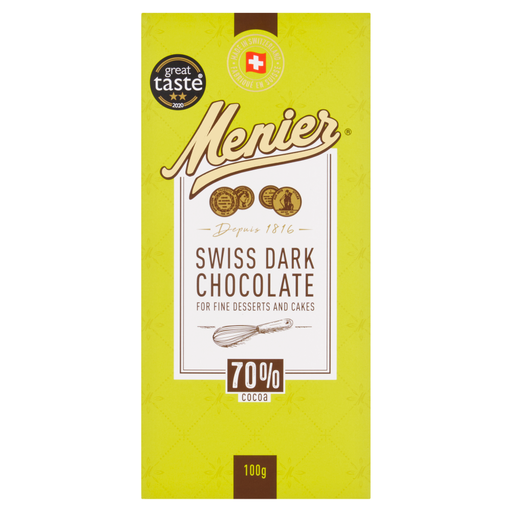 No image available
Choose this 70% cooking chocolate when the birthday plan involves a homemade dessert rather than serving a finished bar. Check the current pack’s ingredients and allergen advice for everyone who will eat the dessert.
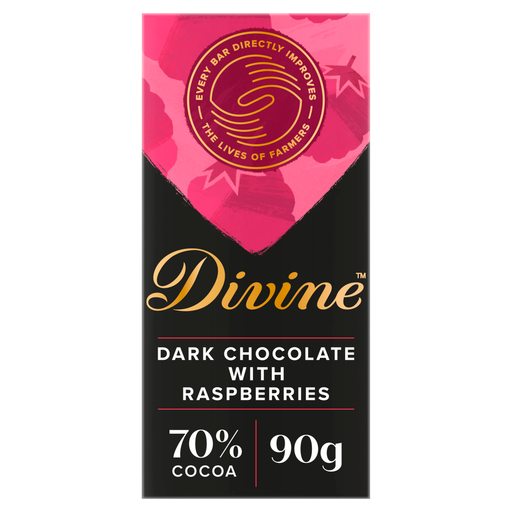 No image available
A 70% dark bar with raspberries for a direct-serving choice. Product information gives conflicting milk-allergen details, so use the current pack’s ingredients and allergy advice before serving it, particularly when milk is a concern.
 No image available
Consider this 85% bar when guests specifically want the intense, bitter dark-chocolate style described for it. Check the current pack’s allergen advice before serving.
A 70% eating bar is a starting point when guests have different preferences; choose 85% when they are known to enjoy a more intense cocoa style. The percentage identifies cocoa content, not whether a particular guest will like the flavour or can eat the product safely.
Choose cooking chocolate when it will go into a birthday dessert. Lindt describes its COOKING 70% bar for cakes, tarts, brownies and cookies; if you plan to serve pieces of chocolate directly, choose a finished eating bar instead.
No. Check the exact pack’s ingredients and precautionary allergen advice for each guest’s needs. For example, Waitrose & Partners lists possible nuts, milk, soya and sesame for Lindt Excellence 70%, so “dark” alone is not an allergy check.
Ask the school or catering provider before bringing it. England’s Requirements for School Food Regulations 2014 define chocolate as confectionery, but that definition alone does not determine the arrangements for a particular event; an HFSS label is not a substitute for checking with the venue.