What matters for biscuit baking?
Decide whether the chocolate is going into the biscuits, onto them or into a gift box. Then check the recipe fit and the exact pack label.
| Priority |
What to check |
Your needs |
| Recipe and cocoa content |
Follow a cocoa percentage specified by the recipe. Otherwise, check the percentage and ingredients on a plain bar or cooking chocolate; Lindt and M&S describe 70% dark products for baking. |
I want to know which chocolate the recipe is built around, rather than choose from the word ‘dark’ alone. |
| Chocolate format |
Check whether you need a bar to chop, chocolate for melting or coating, or pieces to give as a gift. Montezuma’s describes its 74% couverture for melting, moulding, decorating and enrobing; a filled assortment needs recipe-specific checking. |
For biscuit pieces, I would choose an unfilled chocolate. If the chocolates are a present, I can serve the box alongside the bake. |
| Ingredients and allergens |
Read the current pack’s ingredient list and precautionary statements, including those on filled pieces. Check allergy suitability separately from vegan-recipe wording. |
If I am sharing the biscuits, I need to check every chocolate used, not just the main baking bar. |
| Sourcing claims |
Look for a claim on the particular product. Divine states Fairtrade cocoa and sugar for its researched 70% bar; an organic ingredient description is a different claim. |
If sourcing affects my choice, I want to check the claim on the bar I will buy rather than assume it applies across a brand’s range. |
Brand and product-range references
These examples show why the particular product matters more than the brand name alone; check the pack you choose for the recipe and anyone who will eat the biscuits.
Lindt
Its researched range includes a 200 g COOKING 70% bar and a smaller EXCELLENCE 70% bar that Lindt also describes as suitable for baking.
- The cooking bar is presented for chocolate-chip cookies as well as other bakes and states 70% minimum cocoa solids.
- The cooking bar is not suitable for people with a milk allergy; check each product’s own allergen statement.
Montezuma’s
Its researched 74% organic couverture is intended for melting, moulding, decorating and enrobing.
- The couverture format has a stated use for coating or decorative biscuit projects.
- The researched pack is 3 kg and carries may-contain statements for milk, nuts and peanuts.
Divine
Its researched plain 70% bar states Fairtrade cocoa and sugar and lists its ingredients.
- The stated cocoa percentage and ingredients help when assessing a plain bar for a recipe.
- The researched product is a 30-bar multipack and carries a may-contain statement for milk, gluten and nuts.
M&S
M&S presents 70% dark chocolate among its baking options and also lists a separate 85% Fairtrade bar.
- The researched 70% product states its minimum cocoa solids.
- M&S says product and allergen information can change and advises reading the pack label. Its researched 70% product is not suitable for people with milk, nut or peanut allergies.
Hotel Chocolat
Its dark range includes gift boxes as well as selections containing praline, truffle and other flavours.
- A boxed selection fits a gift intended to be eaten alongside homemade biscuits.
- Check the contents and label before using individual pieces in a recipe; a mixed box is not necessarily plain baking chocolate.
Joybuy options for baking and gifting
These options cover a cooking bar for biscuit recipes, a plain dark bar to consider for chopped pieces, a filled box for gifting and a raspberry bar for recipes intended to include that flavour. Check each pack against the recipe and any dietary or allergy needs.
 No image available
Menier Dark Cooking Chocolate 70% Cocoa 100g
A cooking-chocolate option when a biscuit recipe calls for dark chocolate to chop or melt. The product information states 70% minimum cocoa solids and describes cookie and melting uses. It lists milk as an ingredient and says it may contain eggs, gluten and tree nuts; check the pack before sharing the biscuits.
View on Joybuy
 No image available
Green & Black’s Dark 70% Chocolate 90g
A plain bar to consider when you want chocolate pieces in biscuit dough. Its product information states 70% minimum cocoa solids and lists cocoa mass, cane sugar, cocoa butter and vanilla extract. Check that the bar suits your recipe before using it in place of cooking chocolate; it may contain almonds, hazelnuts and milk.
View on Joybuy
 No image available
Lindt Lindor Dark 70% Cocoa Truffles 200g
A boxed truffle option for gifting or serving alongside biscuits, rather than a plain-chocolate substitute for biscuit dough. The truffles have filled centres and contain barley, milk and soya; they may contain nuts. Check the current pack before serving them to anyone with an allergy.
View on Joybuy
 No image available
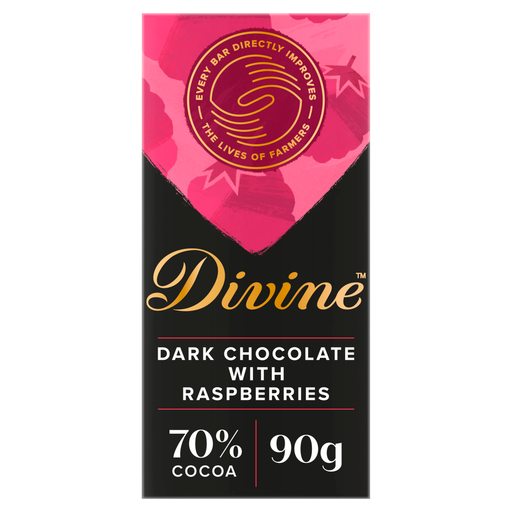
Divine Chocolate 70% Dark Chocolate with Raspberries 90g
Consider this bar for a biscuit recipe intended to include raspberry, not one calling for plain dark chocolate. Its product information states 70% minimum cocoa solids and 3% freeze-dried raspberry pieces. Check the pack’s milk declaration before choosing it for dietary or allergy needs; it may also contain gluten and nuts.
View on Joybuy
Questions about baking with dark chocolate
Can I melt chocolates from a gift box into biscuit dough?
Only if the particular pieces and their ingredients suit the recipe. Dark-chocolate assortments can contain fillings, fruit, nuts or added flavours, so a mixed box is not a predictable substitute for a plain cooking bar or unfilled dark bar.
What cocoa percentage should I choose for dark-chocolate biscuits?
Follow the recipe’s stated percentage if it gives one. If it simply calls for dark chocolate, a plainly labelled 70% product is a practical starting point: Lindt and M&S both describe researched 70% products for baking. Test a small batch before substituting a markedly higher-cocoa bar in a recipe developed for another chocolate.
Does vegan dark chocolate suit someone with a milk allergy?
Not automatically. Lindt describes its researched cooking bar as made to a vegan recipe but states that it is not suitable for people with a milk allergy. Check the ingredients and allergy statement on the exact pack before using any chocolate for that person.
Can I use a retailer webpage to check ingredients before baking?
Use the current product pack as the final check. M&S warns that ingredient, nutritional and allergen information can change and advises customers to read the label, which matters particularly when biscuits will be shared with someone who has an allergy.


