Families decorating biscuits
A ready-baked base avoids making biscuit dough for the decorating activity. Coated rounds, digestives and biscuits with chocolate pieces offer different surfaces and formats.


Choose the biscuit format for the activity first: a coated digestive gives children a ready-baked surface to decorate, while a chocolate-chip digestive has pieces distributed through the biscuit. If the dark-chocolate specification matters, check both the proportion of chocolate in the biscuit and the cocoa-solids percentage of that chocolate; they measure different things. Read the current pack and any ingredients added to the activity for allergens and serving information.
A ready-baked base avoids making biscuit dough for the decorating activity. Coated rounds, digestives and biscuits with chocolate pieces offer different surfaces and formats.
The amount of chocolate in a biscuit and the cocoa-solids minimum of that chocolate are separate figures. Check which one matters for the recipe or flavour preference.
Dark-chocolate biscuits can contain milk-derived ingredients or carry precautionary allergen warnings. The NHS advises reading food labels carefully when a child has a food allergy; check the current biscuit pack and every added ingredient.
Start with how the biscuit will be used, then compare its chocolate labelling, allergen information and serving figures.
| Priority | What to check | Your needs |
|---|---|---|
| Biscuit format | Look for a coated surface if children will decorate a ready-baked biscuit. For a recipe using chocolate pieces, distinguish chips within a biscuit from a coating. | I want a biscuit the children can decorate, rather than one chosen for pieces distributed through the base. |
| Chocolate labelling | Check the chocolate percentage of the whole biscuit separately from the cocoa-solids minimum of the chocolate. Tesco lists 30% dark chocolate with at least 48% cocoa solids for its 300 g digestives; its listing of Fox's 130 g rounds states 71% dark chocolate with at least 35% cocoa solids. | If the chocolate specification matters to me, I need to know what each percentage measures—not read the coating percentage as the cocoa content of the whole biscuit. |
| Allergens | Read the current biscuit pack and all added ingredients. The checked McVitie's dark digestives list butter oil from milk, while Tesco's dark digestives say they may contain milk; the checked Fox's rounds warn that they may contain nuts and peanuts. | A child has a known allergy, so I need to check the specific product and toppings rather than assume that 'dark' means milk-free. The NHS advises avoiding a food if its relevant allergen content is uncertain. |
| Sugars and portions | Check the serving size and sugars figure on the pack, then account for any icing or chocolate added. Tesco lists 4.2 g sugars per 17 g biscuit for its 300 g dark digestives; that is a total-sugars figure for that biscuit. | I want to plan how many finished biscuits to serve, including their toppings, rather than assume that dark chocolate changes the biscuit's sugars figure. |
Tesco's listing of Fox's dark rounds says that dark chocolate makes up 71% of the biscuit, while the chocolate contains at least 35% cocoa solids. The figures have different denominators.
Compare the chocolate proportion and its cocoa-solids minimum separately when choosing between formats.
Checked dark-coated biscuits include milk-derived ingredients or a may-contain-milk warning. A coating also should not be treated as milk baked within a biscuit for a child following specific allergy advice.
Read the current pack and added ingredients, and follow the child's individual allergy guidance.
Decorating packaged, ready-baked biscuits is different from making dough. The US Centers for Disease Control and Prevention warns that uncooked flour and raw eggs can contain germs.
If the activity includes homemade dough, do not serve it raw; bake it as directed and wash hands, utensils and surfaces after handling the raw ingredients.
The checked dark Digestives and dark Hobnobs are different ready-baked, coated biscuits.
The checked range includes dark-chocolate-coated shortcake rounds and half-coated cookies with chocolate chunks.
Its checked own-label 300 g dark-chocolate digestives state both the chocolate proportion and a cocoa-solids minimum.
The checked own-label 500 g digestive has dark-chocolate chips within the biscuit rather than a dark coating.
The checked Original biscuit bar is individually wrapped, making its format relevant when planning separate portions.
The checked Mint biscuit bar is an individually wrapped, mint-flavoured format.
These options include dark-chocolate digestives for a ready-baked decorating activity, plus a cacao-labelled KitKat cookie and a ginger biscuit for different format or flavour preferences. Check each product's current pack before using it with children.
 No image available
A ready-baked dark-chocolate digestive format for decorating. This is a twin pack of 2 x 266g, not the single 266 g pack discussed in the brand examples. Check the current ingredient label, particularly where milk is an allergen.
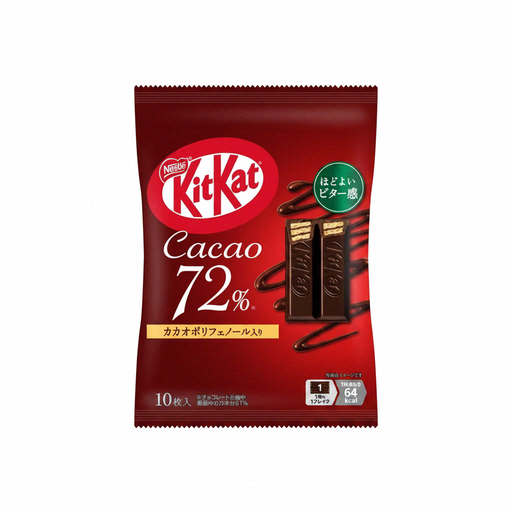 No image available
The name carries a 'Cacao 72%' claim. Before choosing these cookies for decorating, check the pack for what that figure describes, the biscuit format and the allergen information.
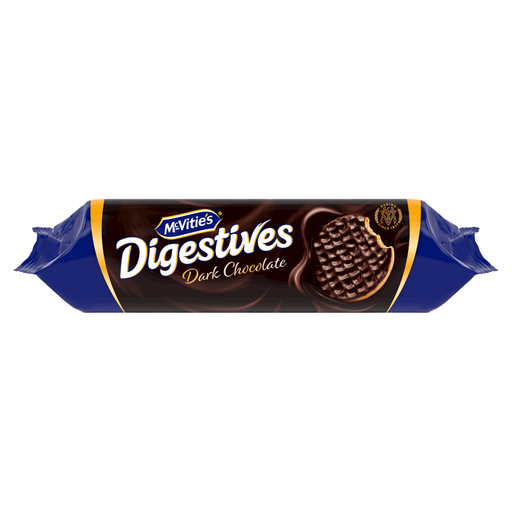 No image available
A 400 g dark-chocolate digestive option for a ready-baked decorating activity. Use this pack's own label for its chocolate and allergen details rather than applying figures from the separate 266 g product.
 No image available
A 150 g dark-chocolate ginger biscuit option if ginger suits the planned activity. Check its current ingredient and allergen label before serving it to children.
No. The checked McVitie's and Fox's dark products list butter oil from milk, and Tesco's checked digestive says it may contain milk. Follow the child's individual allergy advice, read the current pack and all added ingredients, and do not use a food if its relevant allergen content is uncertain, as the NHS advises.
No. Sheffield Children's NHS Foundation Trust's baked-milk guidance is for children under its allergy department's care who have specifically been advised that baked milk is safe for them. Milk in a coating should not be assumed to meet that child's individual instructions.
Do not let children eat dough made with raw flour or eggs before it is baked. The US Centers for Disease Control and Prevention advises baking dough as directed and washing hands, utensils and surfaces after handling raw ingredients; this warning is distinct from decorating packaged, ready-baked biscuits.
Follow the storage instructions on the particular pack. The checked Tesco and McVitie's digestive listings advise keeping the biscuits in a cool, dry place and using an airtight container once opened.