Hosts looking for a cocoa-led biscuit
If the word “dark” is not enough to make the choice, look for a minimum cocoa-solids declaration for the chocolate. That is different from the percentage of the biscuit made up of chocolate coating.


For a cocoa-led dark chocolate biscuit, compare stated minimum cocoa-solids percentages for the chocolate ingredient; the percentage of the biscuit made up of chocolate measures something different. For a birthday table, check the pack’s servings and each guest’s allergen needs before deciding how many packs to buy. If the food will be provided by a state-funded school in England, check the school’s arrangements before choosing chocolate-coated biscuits.
If the word “dark” is not enough to make the choice, look for a minimum cocoa-solids declaration for the chocolate. That is different from the percentage of the biscuit made up of chocolate coating.
Compare listed servings with the guest count and other food on the table. Keep the current packaging available so guests can check ingredients and allergy advice.
Food provided by a state-funded school in England needs a separate check from food for a private party. The Department for Education’s school-food standards address chocolate and chocolate-coated products across the school day.
Start with the chocolate declaration, then work out table coverage and check the exact packs that guests will be offered.
| Priority | What to check | Your needs |
|---|---|---|
| Cocoa declaration | Compare minimum cocoa-solids figures for the chocolate ingredient on the same basis. Tesco labels its dark chocolate digestives at 48% minimum cocoa solids in the chocolate; Sainsbury’s labels its version at 35% minimum. Neither figure describes the whole biscuit. | I want a biscuit with a clearly declared cocoa level, rather than choosing solely because its name says “dark”. |
| Chocolate proportion | Check whether a percentage describes cocoa solids or the proportion of chocolate in the biscuit. Tesco lists 30% dark chocolate in its digestives; Tesco’s Bahlsen Choco Leibniz listing describes a biscuit set in 63% dark chocolate. Those percentages cannot establish which chocolate has more cocoa solids. | A substantial chocolate coating might matter to me, but I would not treat its share of the biscuit as a cocoa-solids figure. |
| Table coverage | Use the listed servings alongside pack weight and the other food planned. Sainsbury’s lists approximately 18 servings for its 300g dark chocolate digestives and 32 servings for the McVitie’s 2 x 266g twin pack. | There should be enough biscuits for guests who want one. A smaller pack can be an additional choice rather than the only biscuit on a larger table. |
| Allergens | Read the ingredients and precautionary statements on each current pack. The cited products differ: Tesco’s digestives may contain milk, McVitie’s Signature Rounds may contain nuts and egg, and Sainsbury’s says its dark chocolate digestives are not suitable for customers with an oat allergy because of manufacturing methods. | If a guest has an allergy, I need to check the exact product before serving it and arrange a separately checked alternative where necessary. |
| School setting | Establish whether this is a private party or food provided by a state-funded school in England. The Requirements for School Food Regulations 2014 include products containing or coated with chocolate in the definition of confectionery; Department for Education standards say no confectionery, chocolate or chocolate-coated products across the school day. | If the birthday food is being arranged through an English state-funded school, I need to agree the food with the school or caterer rather than assume a home-party choice is suitable. |
A biscuit that contains 63% dark chocolate does not necessarily have chocolate made with 63% cocoa solids. The two figures describe different parts of the product.
If cocoa level drives your choice, compare explicit cocoa-solids declarations for the chocolate ingredient, not coating shares.
The cited McVitie’s Signature Rounds and Bahlsen Choco Leibniz packs are 109g and 111g respectively, while the cited dark digestive packs are 300g or a 2 x 266g twin pack. Pack weight alone still does not tell you how many guests will take a biscuit.
Check listed servings against the guest count. Consider a smaller-format biscuit as an additional plate if you also need a larger shared supply.
Ingredient and precautionary statements differ between the cited products, including statements about milk, nuts, egg and oats.
Read each physical pack before serving, keep the packaging available and check any separate alternative against the guest’s particular allergy.
In England, the school-food rules for state-funded schools treat chocolate and chocolate-coated products differently from food chosen for a private birthday table.
Check the school’s current arrangements with its staff or caterer before planning birthday food. The Department for Education says proposed updated standards for September 2027 remain subject to Parliamentary approval.
These product-label examples help compare formats and declarations; a brand name alone does not establish cocoa level, serving count or allergen suitability.
Dark chocolate digestives appear in a 2 x 266g sharing format, while Signature Dark Chocolate Rounds are a smaller, caramel-filled option in the cited Tesco listing.
Tesco Dark Chocolate Digestives offer a stated minimum cocoa-solids figure for the chocolate ingredient in a 300g pack.
Sainsbury’s Dark Chocolate Digestives are a 300g option with a declared cocoa-solids minimum and an approximate serving count.
These Joybuy options include digestive packs for a shared birthday table and smaller or flavoured dark chocolate biscuits. Compare their pack details and current labels against the number of guests and any allergy requirements.
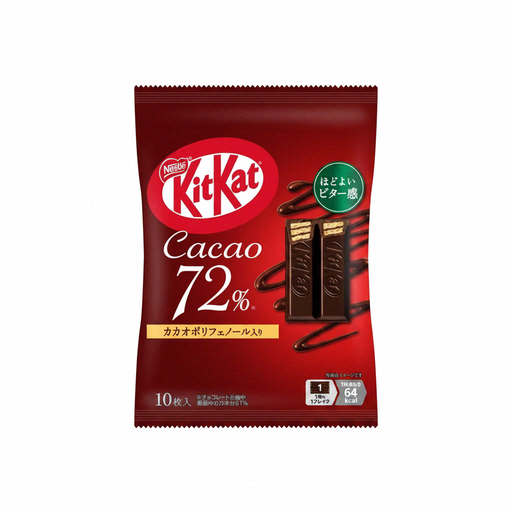 No image available
A cookie option to consider if a cacao-labelled product appeals to guests. Check what “Cacao 72%” describes on the pack, as well as the pack size and allergy information, before relying on it for a shared table.
 No image available
The twin-pack format gives hosts a serving count to plan around: Sainsbury’s listing for the same 2 x 266g product states 32 servings. Check the current pack for its cocoa-solids declaration and allergens; the cited retailer label lists wheat, milk and soya.
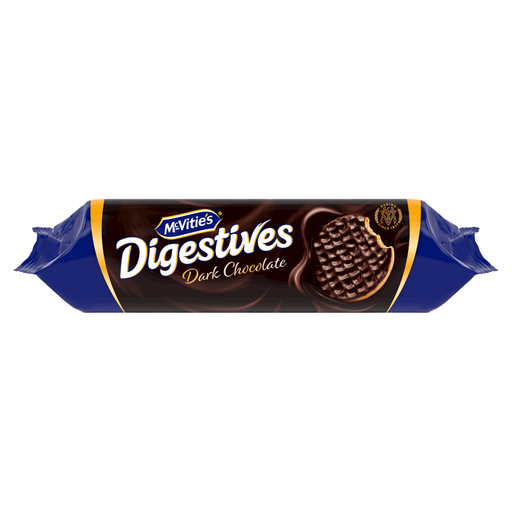 No image available
A 400g dark chocolate digestive pack for a shared biscuit table. Check its listed servings, cocoa-solids declaration and allergy information on the pack before deciding whether it covers your guest count.
 No image available
This 285g pack combines dark chocolate and ginger for guests who want that flavour. Check the pack’s cocoa declaration and ingredients; the product description warns that excessive consumption may have a laxative effect.
 No image available
A 150g dark chocolate and ginger biscuit pack to consider as one choice on a party table. Check the serving count before using it as the only biscuit, and read the current pack for cocoa and allergy details.
No. Look for a minimum cocoa-solids figure for the chocolate ingredient: Tesco lists 48% for the chocolate in its Dark Chocolate Digestives, and Sainsbury’s lists 35% for its version. A figure describing how much of the biscuit is chocolate coating measures something else.
Start with the current pack’s listed servings and consider how many guests are coming and what other food will be served. Sainsbury’s lists approximately 18 servings for its 300g Dark Chocolate Digestives and 32 for the McVitie’s 2 x 266g twin pack.
Check the exact pack’s ingredients and precautionary statements before serving. The cited products differ: McVitie’s Signature Dark Chocolate Rounds may contain nuts and egg, while Sainsbury’s says its Dark Chocolate Digestives are not suitable for customers with an oat allergy because of manufacturing methods. Keep packaging available for guests to read.
Do not assume they can. For food provided by state-funded schools in England, the Requirements for School Food Regulations 2014 include products containing or coated with chocolate in the definition of confectionery, and Department for Education school-food standards say no confectionery, chocolate or chocolate-coated products across the school day. Check the school’s arrangements with its staff or caterer; proposed updated standards for September 2027 remain subject to Parliamentary approval.