Tea-break shoppers looking for a cocoa-led flavour
Compare cocoa-solids declarations on the exact packs. A dark-looking coating alone does not tell you the cocoa-solids minimum of its chocolate.


If a cocoa-led biscuit is your priority, compare the stated cocoa-solids minimum in the chocolate, rather than relying on the word ‘dark’ or a figure for how much chocolate coats the biscuit. Tesco’s Dark Chocolate Digestives list a 48% minimum in their dark chocolate, while Sainsbury’s Dark Chocolate & Ginger Cookies list 46%; choose between the plainer digestive and the ginger cookie by flavour, portion and dietary suitability as well as that declaration.
The useful comparison depends on whether cocoa disclosure, biscuit style or the needs of someone sharing the pack matter most.
Compare cocoa-solids declarations on the exact packs. A dark-looking coating alone does not tell you the cocoa-solids minimum of its chocolate.
Keep the wheatmeal digestive format in view while comparing chocolate declarations, pack sizes and the nutrition figures for an individual biscuit.
Check the exact pack’s ingredients and precautionary allergen statements before serving it to anyone with an allergy or intolerance. Dark chocolate biscuits can differ substantially in these details.
Start with the chocolate declaration, then choose a biscuit format you want with tea. Check the serving and ingredient information on that same pack.
| Priority | What to check | Your needs |
|---|---|---|
| Cocoa declaration | Look for a minimum cocoa-solids percentage in the chocolate. Tesco Groceries lists 48% for Tesco Dark Chocolate Digestives; Sainsbury’s lists 46% for its Dark Chocolate & Ginger Cookies and 35% for its standard Dark Chocolate Digestives. These figures describe the chocolate component, not the whole biscuit. | I want a stated cocoa measure so I can compare dark chocolate options without relying on the pack’s appearance. |
| Biscuit style | Choose between a wheatmeal digestive and a flavoured cookie. Check added flavours and the size of the biscuit you plan to serve. | A plain digestive suits the tea break I have in mind; on another occasion, I might want ginger or a different biscuit texture. |
| Portion information | Read the sugars and saturates figures per biscuit or cookie, alongside the per 100g information. Check the labelled portion before comparing differently sized products. | If I usually serve one or two biscuits, the figures for those pieces are more useful to me than counting a large cookie and a smaller digestive as equivalent. |
| Ingredients and allergens | Read the current pack’s ingredient list and precautionary statements, including those concerning wheat, milk, soya, oats, nuts or peanuts where relevant. GOV.UK explains that regulated allergens used as ingredients in prepacked food must be clearly identified in the ingredients list. | When sharing with someone who has an allergy or intolerance, I need to check the exact product rather than assume ‘dark’ means dairy-free or suitable for them. |
A percentage can describe how much of the biscuit is chocolate rather than how much cocoa the chocolate contains. Tesco Groceries describes Bahlsen Choco Leibniz as containing 63% dark chocolate; that is not directly comparable with the 48% cocoa-solids minimum listed for the chocolate in Tesco Dark Chocolate Digestives.
Find the words ‘cocoa solids’ and check what the percentage applies to before comparing packs.
A ginger cookie and a digestive need not be the same size, so a per-cookie nutrition figure does not describe the same amount of food as a per-digestive figure.
Read the labelled per-piece and per 100g figures, then compare portions you would actually serve.
Dark chocolate biscuit recipes may contain milk, wheat or soya, while precautionary statements can identify other relevant allergens. The word ‘dark’ does not resolve those checks.
Read the ingredients and precautionary statements on the physical pack before serving it to someone with an allergy or intolerance.
These are references to particular biscuit lines, not a judgement about every product made by each brand or a list of Joybuy stock.
Dark Chocolate Digestives retain the wheatmeal digestive format. Tesco Groceries lists a 266g pack and a separate 400g pack.
Half Coated Dark Chocolate Cookies offer a cookie format with dark chocolate chunks and coating rather than a digestive.
Tesco Dark Chocolate Digestives are an own-brand digestive option with a stated chocolate declaration.
Its listed options include a standard dark chocolate digestive and a Dark Chocolate & Ginger Cookie. They serve different flavour and portion preferences.
Penguin Original is a chocolatey sandwich biscuit bar with chocolate-flavour cream, as described by Tesco Groceries.
Club Mint is a flavoured biscuit bar; Tesco Groceries describes it as milk-chocolate-flavour covered with mint cream.
These options cover dark chocolate digestives and alternative biscuit, wafer and oat-biscuit formats for a tea break. A percentage in a product name should not be treated as the cocoa-solids minimum of its chocolate without checking what the pack says it measures.
 No image available
A twin pack for someone choosing the dark chocolate digestive format for tea. Check the exact pack for its cocoa-solids declaration, per-biscuit nutrition and allergen information.
 No image available
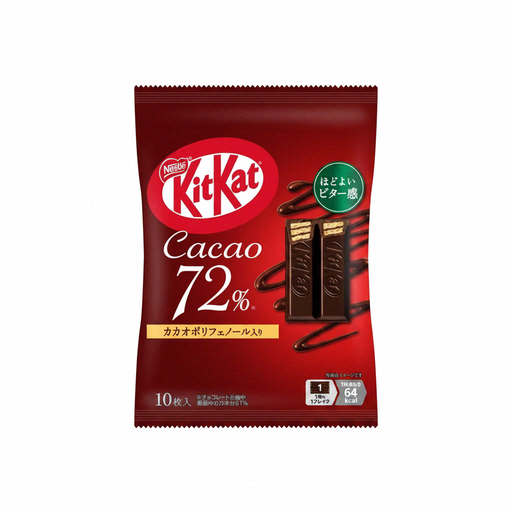
A KitKat option for a tea break in a different format from a digestive. Check the pack to see what ‘72% Cacao’ measures and to compare its ingredients and serving information with other biscuits.
 No image available
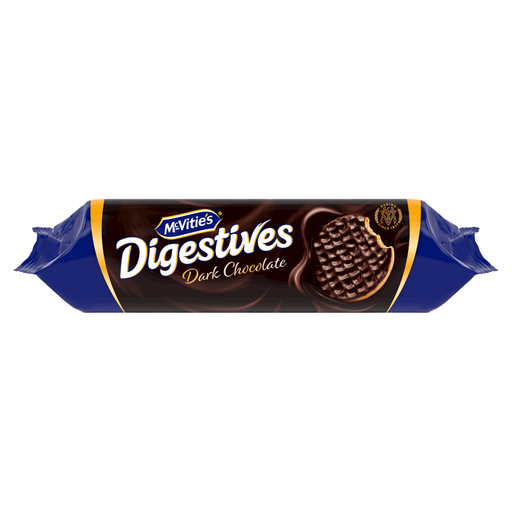
A 400g pack for someone who wants the McVitie’s dark chocolate digestive format. If cocoa disclosure drives the choice, look for a cocoa-solids minimum on the exact pack rather than comparing its name with another biscuit’s percentage.
 No image available
An oat-biscuit format with dark chocolate and coconut for those who want a flavoured alternative to digestives. If gluten-free suitability or another dietary requirement matters, check the full ingredients and precautionary statements on the exact pack.
 No image available
A dark chocolate and ginger oat-biscuit option rather than a plain digestive. Check the cocoa declaration, sweetener information, serving figures and allergen statements on the pack before choosing it for a particular dietary need.
No. Look for a cocoa-solids minimum and check that it applies to the chocolate, not the whole biscuit. Tesco Groceries lists 48% for the dark chocolate in Tesco Dark Chocolate Digestives, while Sainsbury’s lists 46% for its Dark Chocolate & Ginger Cookies and 35% for its standard Dark Chocolate Digestives. Bahlsen’s 63% dark-chocolate figure instead describes the chocolate portion of its Choco Leibniz biscuit.
Choose a dark chocolate digestive if you want that wheatmeal biscuit format; choose a ginger cookie if ginger is part of the flavour you want. The two formats also differ in portion size, so check the per-piece nutrition and ingredients rather than choosing on the chocolate declaration alone.
Yes, particularly when an allergy, intolerance or particular cocoa declaration matters. Read the current pack’s ingredients and precautionary statements: GOV.UK says regulated allergens used as ingredients in prepacked food must be clearly identified in the ingredients list.
No. Suitability depends on the exact recipe and its precautionary statements. Tesco Dark Chocolate Digestives may contain milk, Sainsbury’s Dark Chocolate & Ginger Cookies are listed as unsuitable for customers with a nut allergy because of manufacturing methods, and Fox’s Half Coated Dark Chocolate Cookies may contain nuts and peanuts.
Follow the instructions on the exact pack. The Tesco and Sainsbury’s biscuit listings covered here advise cool, dry storage and an airtight container after opening; also observe the pack’s best-before information.