Cocoa-focused campers
Compare cocoa-solids declarations for the chocolate rather than assuming every biscuit labelled dark has the same formulation.


If a declared cocoa-solids figure matters most, Tesco Groceries lists 48% minimum cocoa solids in the chocolate on its Dark Chocolate Digestives, compared with 35% minimum for the checked Sainsbury’s digestives and Fox’s Dark Chocolate Rounds. Fox’s Rounds contain a larger proportion of chocolate in the biscuit, but that is a different measure; for camping, also check how you will store an opened packet and whether its current allergen information suits the people sharing it.
Compare cocoa-solids declarations for the chocolate rather than assuming every biscuit labelled dark has the same formulation.
Consider whether a shareable packet or separate wrapped portions suit your group, and how you will store any biscuits left after opening.
Use the current pack’s ingredient and precautionary-allergen information when buying for someone with an allergy. A dark-chocolate description is not enough to establish suitability.
Start with what the chocolate percentages measure, then choose a pack format you can store and share at camp.
| Priority | What to check | Your needs |
|---|---|---|
| Cocoa declaration | Read the minimum cocoa-solids figure for the chocolate separately from the percentage of chocolate in the biscuit. Tesco Groceries lists 48% minimum cocoa solids for Tesco Dark Chocolate Digestives; Sainsbury’s lists 35% for its dark digestives, and Tesco Groceries lists 35% for Fox’s Dark Chocolate Rounds. | I want to choose using a stated cocoa-solids figure, not just the word ‘dark’. If comparing how much of the biscuit is chocolate, I need to look at that separate percentage. |
| Packing and storage | Check the pack size, whether portions are individually wrapped, and the storage instructions. The checked Tesco and Sainsbury’s digestive listings advise cool, dry storage and an airtight container after opening. | For a group, I may want a packet to pass around; for separate portions, wrapping matters. I also need somewhere suitable to keep an opened packet. |
| Allergens | Read the ingredients and precautionary wording on the pack you buy. Check milk, soya, wheat and any product-specific oat or nut warnings as relevant; do not infer suitability from the chocolate’s colour. | Someone in my group has an allergy, so I need the information for the exact biscuit before offering it to them. |
| Group portions | Compare stated pack weights with the number of people sharing. If comparing nutrition across differently sized biscuits, use the same per-100g basis rather than per-biscuit figures alone. | I want enough suitable biscuits for the group without treating a larger packet as a measure of cocoa content or individual portions. |
Tesco Groceries lists Fox’s Dark Chocolate Rounds as 71% dark chocolate by biscuit weight, while that chocolate contains 35% minimum cocoa solids. The figures describe different things.
When comparing recipes, check what each percentage measures before deciding which declaration meets your preference.
Separate wrapping can help with handing out portions, but McVitie’s describes Penguin Original as having a milk-chocolate-flavoured coating.
Consider Penguin for separate portions only if dark chocolate is not essential to your choice.
The checked dark-biscuit recipes and warnings differ. A product’s colour or name cannot establish whether it suits someone with an allergy.
Keep the original packaging and check its current ingredients and precautionary statements before sharing.
The checked Tesco Dark Chocolate Digestives are a shareable packet with a declared cocoa-solids figure.
The checked Dark Chocolate Rounds offer a shortcake format with a stated chocolate proportion.
The checked own-label dark digestive provides another declared cocoa-solids figure for comparison.
The checked range includes dark-chocolate digestives; Penguin and Club are separate biscuit-bar lines.
These options include dark-chocolate digestives, a cacao-labelled KitKat cookie and ginger oat biscuits. Compare each product’s own label for cocoa figures, allergens and packing instructions before choosing for camp.
 No image available
The twin pack gives a group two 266 g packs of dark-chocolate digestives. Check the pack’s cocoa declaration if you are choosing by cocoa-solids percentage, and read its milk and soya information before sharing with anyone who has an allergy.
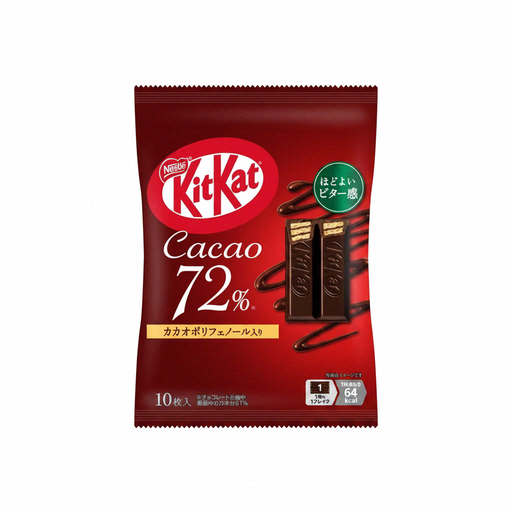 No image available
This cookie option carries ‘Cacao 72%’ in its name; check the pack to see precisely what that figure describes. If separate wrapped portions matter, confirm the packaging format before buying. Its product information lists milk and soybeans.
 No image available
The 400 g pack is a dark-chocolate digestive option for sharing. Check its current pack if you need a particular cocoa-solids declaration or post-opening storage instructions; its product information lists milk and soya.
 No image available
For a change from digestives, this 285 g option combines an oat biscuit with ginger and dark chocolate. Check the pack for any cocoa-solids figure you require. Its product information lists milk, oats, soya and wheat, and a precautionary nut warning.
No. Tesco Groceries lists dark chocolate as 71% of the Fox’s Dark Chocolate Rounds biscuit, while that chocolate contains 35% minimum cocoa solids. Compare the two declarations separately.
The checked Tesco and Sainsbury’s digestive listings call for cool, dry storage and an airtight container after opening, rather than specifying refrigeration. Follow the instructions on the particular pack you take.
Do not assume so. The checked Fox’s and McVitie’s products include milk ingredients, while the checked Tesco product has a precautionary milk warning. Read the current pack’s ingredients and warnings for the individual concerned.
Check the ingredients list and any precautionary wording on the pack. GOV.UK guidance says that any of the 14 specified allergens present as ingredients in prepacked food must be clearly labelled in that list; the labelling requirement does not itself establish suitability for every allergy.