Hosts putting out a shared plate
Pack weight, biscuit count and format all matter when deciding how much to serve. Check the storage directions before leaving chocolate-coated biscuits outside.


For a shared plate, choose the biscuit format and pack quantity first, then compare cocoa-solids figures only when they describe the chocolate itself. Tesco lists 48% minimum cocoa solids for the coating on its 300g digestives, while Fox's lists 35% for the dark chocolate in its 175g cookies; those figures do not tell you which biscuit guests will prefer. Keep the packs available for ingredient checks and follow their storage directions when serving outdoors.
Pack weight, biscuit count and format all matter when deciding how much to serve. Check the storage directions before leaving chocolate-coated biscuits outside.
Keep each biscuit's current packaging available so guests can check ingredients and allergen statements. A dark-chocolate description does not mean a biscuit is dairy-free.
Look for a cocoa-solids declaration for the chocolate. A figure describing how much of the biscuit is chocolate measures something different.
Start with servings and biscuit format, then compare chocolate labels and check the exact packs you plan to put out.
| Priority | What to check | Your needs |
|---|---|---|
| Chocolate label | Compare cocoa-solids figures for the chocolate, not figures for chocolate as a proportion of the biscuit. Tesco lists 48% minimum cocoa solids for its coating; Fox's lists 35% for its dark chocolate. Bahlsen's 63% describes the chocolate portion of its biscuit, not cocoa solids. | I want a disclosed cocoa-solids figure rather than relying on the word ‘dark’ alone. |
| Servings | Check both pack weight and biscuit count where stated. The McVitie's 266g listing gives approximately 16 digestives; Fox's lists seven cookies in its 175g pack. | There needs to be enough of the chosen biscuit format for the people I'm serving. |
| Ingredients | Read the current pack's ingredient list, allergen statement and any ‘may contain’ wording. Do not treat a vegetarian statement as proof that a biscuit is vegan or allergen-free. | Guests need to be able to identify which biscuits suit their ingredient requirements. |
| Outdoor serving | Follow the exact pack's storage directions. Tesco and McVitie's specify cool, dry storage and an airtight container after opening; Bahlsen says to keep its pack away from heat. | I plan to serve biscuits outside and put any opened packs away as directed. |
Tesco's ‘30% dark chocolate’ describes the chocolate in its biscuit, while its ‘48% minimum cocoa solids’ describes that chocolate. Bahlsen's 63% chocolate figure is not a 63% cocoa-solids declaration.
Compare cocoa-solids figures with cocoa-solids figures, and chocolate-content figures with chocolate-content figures.
Ingredient lists and precautionary allergen statements differ between products, so guests may not be able to identify what is on an unlabelled plate.
Keep the current pack for each product available, and keep different biscuits identifiable when serving them.
Fox's lists seven cookies in a 175g pack, whereas the McVitie's 266g digestive listing gives approximately 16 biscuits. The number and format of servings differ.
Use the listed count, where available, alongside weight when planning a shared plate.
These examples show different biscuit formats and labelling details; they are not a list of products sold by Joybuy.
The 266g dark-chocolate digestives listed by Tesco are a shared-plate option. Penguin Original and Club Orange are separate biscuit-bar products, not established dark-chocolate variants.
Tesco's 300g half-coated dark-chocolate digestives have a stated cocoa-solids figure for their coating.
Fox's 175g half-coated dark-chocolate cookies provide a cookie format rather than a digestive.
Sainsbury's lists a 300g pack of dark-chocolate digestives for hosts considering that format.
Choco Leibniz Dark is a 111g butter-biscuit-and-dark-chocolate option when a smaller pack suits the serving plan.
These options include two McVitie's dark-chocolate digestive packs, Gullon ginger oaties and Nestle KitKat Cacao 72% Cookies. Compare their stated pack details with the number of guests you plan to serve.
 No image available
The twin-pack format gives you two 266g packs of dark-chocolate digestives for a shared plate. Check the current packs' ingredient and allergen statements before serving.
 No image available
This 400g pack offers a dark-chocolate digestive format for a shared plate. If a particular cocoa-solids figure matters, check the coating declaration on this exact pack; check its ingredients and allergens for guests too.
 No image available
These 285g ginger oaties offer a different biscuit format from a digestive; check whether the ginger flavour suits the guests you are serving. Check the current pack for ingredients and allergen warnings. The supplied product information warns that excessive consumption of its maltitol sweetener may have a laxative effect.
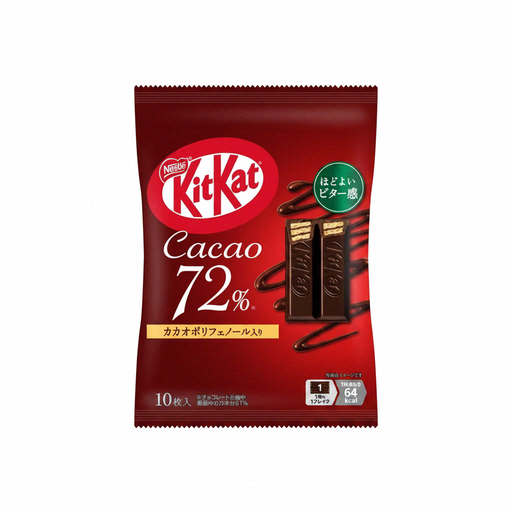 No image available
The name identifies a Cacao 72% cookie option. Check what that declaration refers to on the exact pack, along with its net weight, biscuit count and allergen statement, before planning how many to serve.
No fixed cocoa percentage follows from the words ‘dark chocolate’. Check the cocoa-solids declaration for the exact product: Tesco lists 48% minimum cocoa solids for its digestive coating and, separately, says dark chocolate makes up 30% of the biscuit.
Follow each pack's directions rather than leaving opened packs in the heat. Tesco and McVitie's specify cool, dry storage and an airtight container after opening; Bahlsen says to keep its pack away from heat.
No. The McVitie's dark digestive listed by Tesco includes butter oil (milk), and Tesco says its own dark-chocolate digestives may contain milk. Check the current pack of whichever product you serve.
Check the current product packaging before serving. Tesco warns that ingredients and allergen information can change; keep each pack available so guests can identify the biscuits on the plate.