Cocoa-conscious tea drinkers
If a stated cocoa figure guides your choice, distinguish cocoa solids in the chocolate from chocolate as a proportion of the whole biscuit.


If cocoa content matters, compare the stated cocoa-solids percentage of the chocolate, not just the word ‘dark’ or the amount of chocolate on the biscuit. Tesco Groceries lists 48% minimum cocoa solids in the chocolate on its 300g dark-chocolate digestives; the examined Sainsbury’s digestives and Fox’s rounds list 35% minimum. Then choose the biscuit style and chocolate proportion you prefer, and check nutrition and allergens on the pack you will serve.
If a stated cocoa figure guides your choice, distinguish cocoa solids in the chocolate from chocolate as a proportion of the whole biscuit.
Digestives, chocolate-heavy shortcake rounds and ginger biscuits offer different bases and flavours. Think about which style your guests would welcome alongside tea.
Check the ingredients and precautionary allergen statements on the exact pack. A dark-chocolate description alone does not establish whether a biscuit contains, or may contain, an ingredient a guest needs to avoid.
Start with what the cocoa figure measures, then compare biscuit styles and the information on the packs you are considering.
| Priority | What to check | Your needs |
|---|---|---|
| Cocoa content | Look for minimum cocoa solids in the chocolate and, separately, chocolate as a percentage of the biscuit. Tesco Groceries lists 48% cocoa solids in the chocolate and 30% chocolate in its 300g digestives; Sainsbury’s lists 35% and 27% respectively for its 300g digestives. | If I am choosing by cocoa content, I want a figure for the chocolate itself rather than relying on ‘dark’ in the name. |
| Biscuit style | Compare a digestive base with shortcake rounds or a ginger biscuit. Tesco Groceries lists Fox’s dark-chocolate rounds as 71% chocolate by weight, with 35% minimum cocoa solids in that chocolate. | For afternoon tea, I might favour a familiar digestive, more chocolate coating, or ginger flavour. Those are different preferences from a higher cocoa-solids figure. |
| Nutrition and portions | Compare sugars on a per 100g basis, then check the biscuit weight or stated serving. The NHS explains that nutrition information is given per 100g and sometimes per portion. | I want to compare different-sized biscuits on the same basis before deciding how many to put out. |
| Allergens | Read the current pack’s ingredients, emphasised allergens and relevant ‘may contain’ or manufacturing warnings. The examined Sainsbury’s digestives also carry an oat-allergy manufacturing warning. | When serving someone with an allergy, I need the statements for the exact biscuit and pack, not an assumption based on its chocolate type. |
| Pack size and storage | Use the displayed price per kilogram to compare different pack sizes by quantity. Follow the chosen pack’s storage directions, including any instructions for keeping it after opening. | If biscuits will be served on more than one occasion, I want a pack size that suits those plans and storage instructions I can follow. |
Tesco Groceries lists its 300g digestives as 30% dark chocolate, with 48% minimum cocoa solids in that chocolate. Its Fox’s rounds listing gives 71% dark chocolate, with 35% minimum cocoa solids in the chocolate. The figures describe different parts of each biscuit.
Check what each percentage refers to before using it to choose between packs.
The chocolate description does not replace the nutrition declaration, particularly when the biscuits differ in size and style.
Compare sugars per 100g on the packs, then check the biscuit weight or serving information for the quantity you plan to put out.
The examined products have different ingredients and precautionary statements, which matter when serving a guest with an allergy.
Check the delivered pack’s ingredients and relevant warnings before serving it.
These examples describe particular biscuits and listings, not every product made by each brand.
Tesco Groceries lists a 300g dark-chocolate digestive with 30% dark chocolate; that chocolate has a stated minimum of 48% cocoa solids.
Sainsbury’s lists its 300g dark-chocolate digestives with 27% dark chocolate and 35% minimum cocoa solids in that chocolate.
Tesco Groceries lists Fox’s dark-chocolate shortcake rounds as 71% dark chocolate, with 35% minimum cocoa solids in that chocolate.
Sainsbury’s lists a 266g pack of McVitie’s wheatmeal dark-chocolate digestives with 30% dark chocolate.
Border Biscuits presents dark chocolate and ginger together as an alternative to a plain digestive or shortcake round.
These options span dark-chocolate digestives, ginger biscuits and KitKat Cacao 72% Cookies. Check each pack’s cocoa wording and ingredients against the style and serving needs that matter to you.
 No image available
The twin-pack format offers dark-chocolate digestives for more than one tea occasion. Joybuy’s product marketing describes the chocolate as containing 50% cocoa solids; check the pack if that figure is central to your choice, and read its allergen information before serving.
 No image available
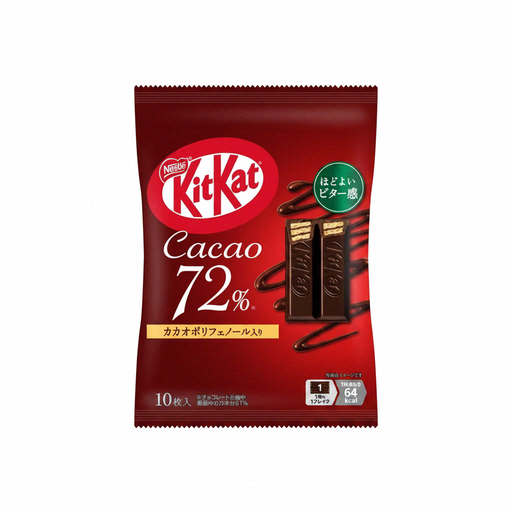
For a change from the digestives and ginger biscuits, consider this KitKat cookie option. Check what the stated 72% cacao figure describes on the pack rather than treating it as the proportion of chocolate in the whole product.
 No image available
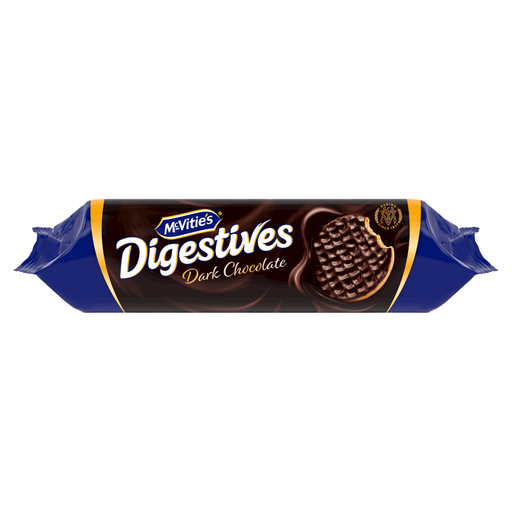
This 400g pack suits a choice centred on the dark-chocolate digestive format. If a particular cocoa-solids minimum matters, check the figure for this pack rather than applying one from a different McVitie’s size or bundle.
 No image available
This 150g ginger-and-dark-chocolate option offers a different flavour from a plain digestive. Check the pack for cocoa-solids information and any allergens relevant to your guests.
 No image available
These 285g dark-chocolate ginger oat biscuits offer another spiced style for afternoon tea. Check the nutrition declaration, ingredients and cocoa wording on this exact pack; the name alone does not establish its sugar content or cocoa-solids percentage.
No. Tesco Groceries lists dark chocolate as 30% of its 300g digestive and says that chocolate contains at least 48% cocoa solids. The two percentages have different denominators.
No. The examined Sainsbury’s digestive lists milk-derived butteroil, Tesco’s digestive has a ‘may contain milk’ warning, and Tesco Groceries says the examined Fox’s rounds may contain nuts and peanuts. Check the current pack against the guest’s specific requirements.
The examined biscuits are ready to serve. Follow the chosen pack’s storage instructions, including its directions for keeping biscuits after opening.
Compare the displayed price per kilogram for a like-for-like quantity basis, then consider the biscuit style and composition separately. As the Competition and Markets Authority explains, unit pricing compares products using standard units of quantity; it does not compare their flavour or cocoa content.
A best-before date relates to quality, whereas a use-by date relates to safety, according to GOV.UK’s food-labelling guidance. Check the date and storage directions on the actual pack.