Shoppers comparing cocoa content
Compare the cocoa-solids figure for the chocolate coating without confusing it with the proportion of the biscuit made from chocolate.


If cocoa content matters, compare the stated cocoa solids in the chocolate, not just how much of the biscuit is chocolate: the examined Tesco digestive lists 48% minimum cocoa solids in its coating, while the Sainsbury’s digestive and Fox’s round list 35%. Check serving information and allergens separately; if you are eating close to bedtime, Doncaster and Bassetlaw Teaching Hospitals NHS Foundation Trust advises limiting or avoiding caffeine beforehand, including chocolate.
Compare the cocoa-solids figure for the chocolate coating without confusing it with the proportion of the biscuit made from chocolate.
Use per-biscuit figures where given, or compare per 100g when biscuit sizes and formats differ.
Consider how close the snack is to bedtime, and read the current pack if ingredients or possible allergen cross-contact affect your choice.
Start with the kind of chocolate biscuit you want, then compare the relevant label figures, serving and ingredients.
| Priority | What to check | Your needs |
|---|---|---|
| Cocoa and coating | Read cocoa solids in the chocolate separately from chocolate as a percentage of the biscuit. Tesco Groceries lists 48% minimum cocoa solids and 30% dark chocolate for its digestive; its Fox’s listing gives 35% minimum cocoa solids and 71% dark chocolate for the round. | I’m looking for a stated cocoa-solids figure, or I would rather choose a biscuit with a larger proportion of chocolate. Those are different label measures. |
| Serving | Compare figures on the same basis. Tesco Groceries lists 85 kcal and 4.2g sugars per Tesco digestive; Sainsbury’s lists 79 kcal and 3.5g sugars per biscuit in its examined digestive listing. Check the size of the serving you intend to have. | For one biscuit, per-biscuit figures help me plan; for differently sized biscuits or bars, I want to check the serving as well as the per-100g declaration. |
| Bedtime timing | Consider when you will eat it. Doncaster and Bassetlaw Teaching Hospitals NHS Foundation Trust includes chocolate among caffeine sources to limit or avoid before bedtime; its guidance does not specify a suitable biscuit portion. | If I’m eating shortly before bed, the timing matters as well as which biscuit I choose. |
| Ingredients | Read the current pack’s ingredients and precautionary allergen statements. Nairn’s says it cannot guarantee that the ingredients in its examined oat biscuit are wheat- or nut-free. | I need to check the particular product and pack against the ingredients or allergens I avoid, rather than relying on an oat-based name. |
In Tesco Groceries’ Fox’s listing, 71% describes how much of the biscuit is dark chocolate; that chocolate has a separate minimum cocoa-solids figure of 35%.
Check what each percentage measures before comparing it with another biscuit’s coating.
Dark-chocolate biscuits have their own nutrition declarations. Doncaster and Bassetlaw Teaching Hospitals NHS Foundation Trust also includes chocolate in its advice to limit or avoid caffeine before bedtime.
Check the serving’s nutrition figures and consider when you plan to eat it.
Nairn’s says it cannot guarantee that the ingredients in its examined dark-chocolate-chip oat biscuits are wheat- or nut-free.
If you need to avoid an allergen, use the current pack’s ingredient and precautionary information.
Tesco’s examined 300g own-label dark-chocolate digestive lists a coating with 48% minimum cocoa solids.
Its examined 300g own-label dark-chocolate digestive lists 27% dark chocolate with 35% minimum cocoa solids in that chocolate.
The examined dark-chocolate digestive is a wheatmeal biscuit; Penguin Original and Club Orange are different biscuit-bar formats.
The examined Fabulous Chocolatey Dark Chocolate Rounds 130g are dark-coated shortcake biscuits.
Its examined dark-chocolate-chip oat biscuit offers chips rather than a coated digestive.
These options cover a dark-chocolate digestive, a wafer-style biscuit, oat-based biscuits and cereal bars. Check the format before comparing them as alternatives for a late-night snack.
 No image available
A twin pack to consider if you want dark-chocolate digestives. For serving comparisons, check the current pack’s per-biscuit figures and allergen information.
 No image available
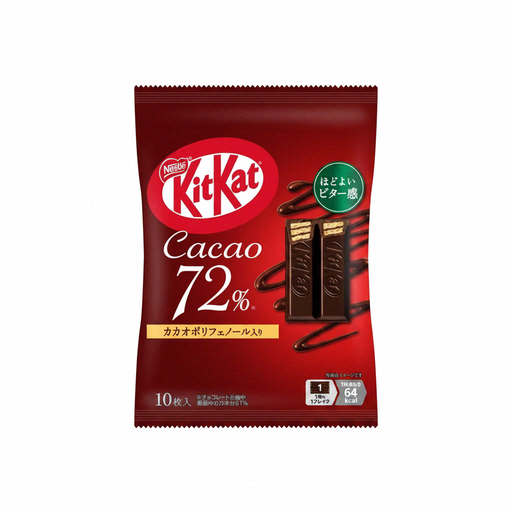
A KitKat option for shoppers who prefer a wafer-style biscuit. “Cacao 72%” is part of the product name; check the pack to see precisely what the percentage describes and to compare serving information.
 No image available
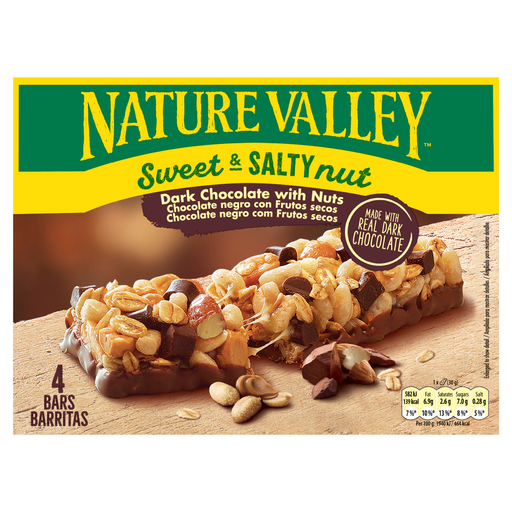
A nut-and-oat cereal bar rather than a digestive biscuit. The 4 x 30g format makes the bar size clear; check its current nutrition declaration and ingredients if portion size or allergens matter to you.
No image available
A cereal-bar format in six 21.5g portions, rather than a dark-coated biscuit. Read its current per-bar nutrition and ingredients if those determine your choice.
 No image available
An oat-biscuit option with dark chocolate and ginger. Check the current pack’s ingredients, sweetener information and serving figures; the supplied product information warns that excessive consumption may have a laxative effect.
No. Tesco Groceries’ examined Fox’s listing says dark chocolate makes up 71% of the biscuit, while that chocolate contains at least 35% cocoa solids. Check which part of the product each figure describes.
Doncaster and Bassetlaw Teaching Hospitals NHS Foundation Trust advises limiting or avoiding caffeine before bedtime and includes chocolate among its sources. That guidance does not test these biscuits or establish a suitable portion for an individual.
The examined biscuit listings describe ready-to-eat products. Follow the storage directions on the pack you buy; the examined listings call for a cool, dry place and an airtight container after opening.
Read the current pack’s ingredients and precautionary allergen statements, not just the product name. The examined biscuits differ in their ingredients and cross-contact warnings, and Nairn’s does not guarantee that the ingredients in its examined oat biscuit are wheat- or nut-free.