Dark-chocolate seekers
If the chocolate itself matters most, compare any stated cocoa-solids minimum with the chocolate’s share of the biscuit. They measure different things.


Choose dark chocolate biscuits for an office tin by checking the actual pack: the proportion of chocolate, the cocoa solids in that chocolate, the number of portions and the allergen information answer different questions. Tesco’s listed digestive has chocolate containing at least 48% cocoa solids, while Fox’s listed Rounds contain more chocolate by biscuit weight but specify at least 35% cocoa solids in that chocolate; neither figure gives the cocoa content of the whole biscuit. Keep the packaging accessible when sharing biscuits and follow its storage directions after opening.
If the chocolate itself matters most, compare any stated cocoa-solids minimum with the chocolate’s share of the biscuit. They measure different things.
For repeated sharing, check the pack’s listed portions and storage directions, and keep its ingredient information available after moving biscuits into a tin.
Read the ingredients and precautionary statements on the pack being shared. A dark-chocolate description alone does not establish that a biscuit is suitable for someone avoiding milk.
Start with the chocolate figures and pack format, then check whether the biscuits can be shared and stored with their label information close at hand.
| Priority | What to check | Your needs |
|---|---|---|
| Chocolate figures | Read the percentage of chocolate in the biscuit separately from the minimum cocoa-solids percentage in that chocolate. Tesco Groceries lists 30% chocolate and at least 48% cocoa solids in the coating of its 300g digestive; its Fox’s Rounds listing gives 71% chocolate and at least 35% cocoa solids in that chocolate. | I want to know what a dark-chocolate percentage actually describes before comparing biscuits. |
| Sharing format | Compare listed servings for the exact pack as well as pack weight. Decide whether loose biscuits or separate bars work better for the way colleagues share food. | There should be enough suitable portions for the people using the tin, without judging the pack by weight alone. |
| Allergen information | Check the purchased pack’s ingredients and precautionary statements. Keep the original wrapper accessible if biscuits are transferred into a communal tin. | I need colleagues to be able to check the label before taking a biscuit, rather than relying on the word ‘dark’. |
| Storage | Follow the pack’s directions after opening, including an airtight container where specified. Check the best-before date when planning how quickly to use a pack; the Food Standards Agency describes this date as relating to quality, unlike a use-by date. | If a pack stays in the office between breaks, I want to store the opened biscuits as its label directs. |
Tesco Groceries lists chocolate as 30% of its 300g digestive, with at least 48% cocoa solids in that chocolate. Its Fox’s Rounds listing gives 71% chocolate, with at least 35% cocoa solids in the chocolate. The figures use different denominators.
Check what each percentage measures before deciding which chocolate description meets your preference.
Milk appears in several of the checked dark-biscuit recipes, and Tesco’s listed dark chocolate digestive carries a may-contain-milk statement.
Keep the purchased packaging with the tin so colleagues can check its ingredients and precautions against their own requirements.
Pack weight does not tell you how many portions colleagues are likely to take, while an opened pack still needs to be stored as directed.
Check the listed servings for the exact pack, then follow its instructions for storage after opening.
These details refer to the specified products and listings, not every biscuit made by each brand.
Tesco Groceries lists a 300g dark chocolate digestive with both a coating proportion and a cocoa-solids minimum.
The listed dark chocolate Rounds have a shortcake base rather than a digestive base.
Sainsbury’s lists its own-label dark chocolate digestives in a 300g pack.
McVitie’s lists dark chocolate digestives in several pack sizes, including 266g and 400g.
McVitie’s Penguin Original is a separately portioned chocolate biscuit bar.
McVitie’s Club Orange is another biscuit-bar format to consider when separate portions matter.
These Joybuy options include dark chocolate digestives, oat biscuits and wafer bars. Compare the exact pack and label if you need a particular chocolate description, portion format or allergen statement.
 No image available
The two-pack format lets an office open one 266g pack at a time. Check each pack’s chocolate description, allergens and storage directions before sharing.
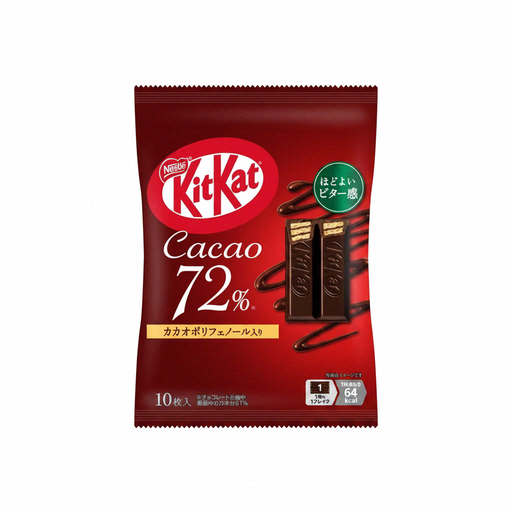 No image available
This KitKat wafer option differs from a loose digestive or shortcake biscuit. Its name states 72% cacao; check the pack for what that figure describes, its portion format and its allergen information.
 No image available
The 400g digestive pack is a loose-biscuit option for a shared tin. Tesco Groceries lists dark chocolate as 30% of this product; check the purchased pack for its cocoa-solids information, allergens and storage directions.
 No image available
This 285g pack offers an oat-and-ginger biscuit rather than a digestive. Check the label for the chocolate’s cocoa-solids information, ingredients and any sweetener-related notice before putting it in a shared tin.
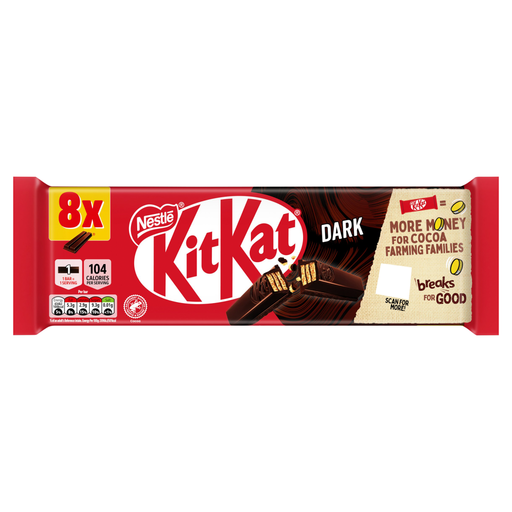 No image available
The named pack contains eight 20.7g two-finger wafer bars, a different sharing format from loose biscuits. Check the packaging for individual wrapping, chocolate details and allergens before choosing it for the office.
No. Tesco Groceries says dark chocolate makes up 30% of its listed 300g digestive and that this chocolate contains at least 48% cocoa solids. The percentages describe different parts of the product, not the cocoa content of the whole biscuit.
Follow the purchased pack’s directions. The checked Tesco, Fox’s and Sainsbury’s listings call for cool, dry storage and an airtight container after opening; keep the original label accessible if the biscuits go into an office tin.
No. The checked Fox’s, Sainsbury’s and McVitie’s recipes list milk ingredients, while Tesco’s checked digestive says it may contain milk. Check the actual pack against the colleague’s requirements rather than relying on ‘dark’ in the product name.
Compare the exact packs’ weights and listed servings, then consider whether loose biscuits or separate bars suit the way colleagues share food. Keep the chosen product’s label available for ingredient checks.