Shoppers comparing cocoa declarations
If the word “dark” is not enough to narrow your choice, look for a cocoa-solids figure for the chocolate. Keep it separate from any figure describing how much of the biscuit is chocolate.


For a cocoa-led choice, compare the minimum cocoa solids stated for the chocolate, not the proportion of chocolate in the whole biscuit: Tesco Groceries lists at least 48% for Tesco’s 300g dark digestives and at least 35% for Fox’s Dark Chocolate Rounds, while Sainsbury’s lists at least 35% for its dark digestives. For summer-holiday snacks, choose the biscuit style and pack size to suit how you will serve them, then check the exact pack’s allergens and storage instructions.
If the word “dark” is not enough to narrow your choice, look for a cocoa-solids figure for the chocolate. Keep it separate from any figure describing how much of the biscuit is chocolate.
Digestives, coated shortcake rounds and cookies offer different biscuit styles. Pack size and the instructions for storing an opened pack also matter when several people will be eating them.
A dark-chocolate description does not settle whether a biscuit suits someone with an allergy. Check the ingredients and precautionary statements on the particular pack before serving it.
Start with what the cocoa figure measures, then compare biscuit style, pack size and the label information relevant to the people eating them.
| Priority | What to check | Your needs |
|---|---|---|
| Cocoa declaration | Look for minimum cocoa solids in the chocolate on the exact product. Read that separately from the percentage of the biscuit made up of chocolate or chunks. | I want a stated cocoa figure rather than choosing by the word “dark” alone. |
| Biscuit style | Compare a digestive base with coated shortcake rounds or cookies containing dark-chocolate chunks. Check which part of a cookie is coated if that affects your choice. | For a group, I would choose a biscuit style people want to share, rather than assuming all dark varieties are alike. |
| Allergens | Read the exact pack’s ingredients and precautionary statements. Tesco Groceries lists butter oil (milk) in the checked McVitie’s dark digestives; Sainsbury’s warns that its checked dark digestives are unsuitable for customers with an oat allergy due to manufacturing methods. | Someone eating these biscuits needs the ingredients and allergy statements checked before they are served. |
| Pack and storage | Compare net weights and how much the group is likely to eat after opening. Follow the chosen pack’s storage directions; Tesco Groceries specifies a cool, dry place and an airtight container after opening for its checked dark digestives. | I would rather pick a pack that fits the gathering and can be stored as its label directs. |
Tesco Groceries lists Fox’s Dark Chocolate Rounds as 71% dark chocolate by biscuit weight, but states a separate minimum of 35% cocoa solids in that chocolate. The two percentages answer different questions.
Check what each percentage describes before comparing it with another biscuit’s cocoa-solids declaration.
The checked McVitie’s dark digestives list a milk ingredient, and Tesco’s own-label dark digestives carry a “May contain milk” statement. A dark-chocolate name is not an allergen check.
Read the particular pack’s ingredients and precautionary information for everyone who will eat it.
Fox’s describes its Chocolatey Biscuit Selection as containing milk-, white- and dark-chocolate-coated biscuits, so not every biscuit meets a dark-only preference.
Choose a specified dark variety if the whole pack needs to match that preference.
These distinctions concern the named products and listings, not every biscuit made by each brand.
An own-label dark digestive with a stated cocoa-solids minimum.
Dark chocolate on a wheatmeal digestive in the checked 266g listing.
The checked range includes coated shortcake rounds and half-coated cookies with dark-chocolate chunks.
An own-label dark digestive with a stated cocoa-solids minimum.
A McVitie’s biscuit-bar line to distinguish from the dark varieties considered here.
A McVitie’s biscuit-bar line; the checked Mint product is a different flavour and format.
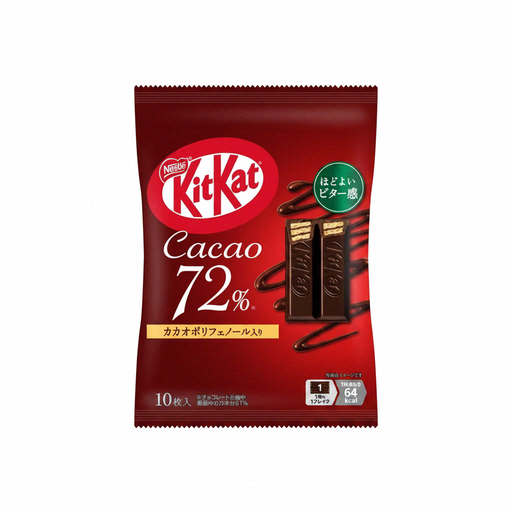
These options cover dark-chocolate digestives, a cacao-labelled KitKat wafer and dark-chocolate ginger oat biscuits. Decide whether you want a digestive, wafer or oat-biscuit format before comparing their pack details.
 No image available
The twin-pack format offers two packs of dark-chocolate digestives for sharing on separate occasions. If a particular cocoa-solids figure matters to you, check the physical pack; check its full ingredients for allergens, including milk and soya.
 No image available
This is a wafer-format option rather than a digestive or cookie. Its name states “Cacao 72%”; check the pack to see precisely what that figure describes, and check the ingredients if wheat, milk or soya matters to anyone eating it.
 No image available
The 400g pack is another dark-chocolate digestive option when pack quantity matters. Check its label if you need a cocoa-solids figure, and read the ingredients for milk, wheat and soya before serving.
 No image available
Choose this oat-biscuit format if ginger alongside dark chocolate appeals to the group. Check the pack for a cocoa-solids figure if that guides your choice. Its product information lists maltitol and a warning that excessive consumption may have a laxative effect; also check the ingredients and nut precautionary statement for anyone with allergies.
No. Tesco Groceries lists Fox’s Dark Chocolate Rounds as 71% dark chocolate by biscuit weight, while that chocolate has a separately stated minimum of 35% cocoa solids. Compare those figures only with others measuring the same thing.
Follow the instructions on the pack you buy. Tesco Groceries specifies cool, dry storage and an airtight container after opening for its checked Tesco dark digestives; its Rakusen’s dark digestive listing additionally says to keep that product out of direct sunlight.
Not necessarily. Tesco Groceries lists a milk ingredient in the checked McVitie’s dark digestives and a “May contain milk” statement for its own-label dark digestives. Check the exact pack’s ingredients and precautionary information against the eater’s requirements.
Compare biscuit styles, net pack weights and ingredients, then consider how the opened pack will be stored. A digestive, a coated shortcake round and a chunk cookie need not suit the same preferences, even when each is described as dark chocolate.
Check the food name, ingredients and allergens, net quantity and date marking. UK government food-labelling guidance identifies these as required particulars for prepacked food; a “dark” description alone does not specify a cocoa-solids percentage.