What matters when choosing?
For routine snack time
Choose this route: Look for a snack other than a chocolate biscuit when deciding what to offer regularly to a toddler.
Trade-off: It will not fulfil a request for chocolate, but it avoids making a sugary biscuit the default between-meal choice described in NHS feeding guidance.
For an occasional chocolate treat
Consider this route: If you decide to serve a dark chocolate biscuit occasionally, check the exact pack and offer it with a meal rather than as a routine snack, in line with NHS advice on sugary foods.
Trade-off: A dark-chocolate description does not remove the need to check sugars, saturates and ingredients, particularly where allergies are involved.
Start with the occasion, then compare the information on the pack rather than choosing by the word “dark”.
| Priority |
What to check |
Your needs |
| Snack or treat |
Decide whether this is a regular between-meal snack or an occasional food served with a meal. NHS advice distinguishes sugary foods at meals from sugary snacks. |
For everyday snack time, I want an option other than a chocolate biscuit. |
| Nutrition label |
Compare sugars and saturates using the same basis: per biscuit, per serving or per 100g. Check the stated biscuit or serving size before comparing packs. |
If I serve a biscuit occasionally, I want to know what the amount I offer contains, not judge it by its cocoa wording. |
| Ingredients and allergens |
Read the current pack’s ingredients, highlighted allergens and relevant “may contain” statements. Do not assume two dark chocolate biscuits have identical declarations. |
Where an allergy or intolerance matters, I need the declaration for the exact pack in hand. |
| Food for a setting |
Check the nursery or school’s written packed-food and allergen policy. Keep that separate from rules for food provided by state-funded schools in England. |
Before packing a snack, I want to know what my child’s setting permits. |
Dark chocolate biscuit brands to compare
These named lines illustrate differences to check on a current pack; a brand reference does not make a chocolate biscuit a routine toddler snack.
McVitie’s
McVitie’s Digestives Dark Chocolate Biscuits are wheatmeal biscuits covered in dark chocolate.
- Sainsbury’s lists 30% dark chocolate and, per biscuit, 4.4g sugars and 2.1g saturates.
- The listing declares ingredients containing wheat or gluten, milk and soya; check the current pack before serving.
Sainsbury’s
Sainsbury’s Dark Chocolate Digestives have chocolate described as containing at least 35% cocoa solids.
- Sainsbury’s lists 3.5g sugars and 1.9g saturates per biscuit. Its stated sugar figure is lower than the McVitie’s per-biscuit figure above, though those figures do not establish equal biscuit sizes.
- The listing highlights cereals containing gluten and an oats allergy precaution; read the full current ingredient and allergen declaration.
Fox’s
Fox’s Fabulous Chocolatey Dark Chocolate Rounds are shortcake biscuits coated in dark chocolate.
- Tesco Groceries lists 71% dark chocolate in the product and at least 35% cocoa solids in that chocolate.
- The same listing gives 45.6g sugars and 16.7g saturates per 100g and says the product may contain nuts and peanuts. These per-100g figures are not directly comparable with the per-biscuit figures above.
Tesco
Tesco Groceries lists both Dark Chocolate Coated Biscuits and Dark Chocolate Digestives.
- The two listings identify different formats: dark-chocolate-coated butter biscuits and digestives half coated in dark chocolate.
- For either format, use the current pack to compare nutrition, ingredients and allergens; the format alone cannot answer those questions.
Joybuy options for snack time
These age-labelled snack products are alternatives to consider when planning toddler snack time, not dark chocolate biscuits. Check each current pack’s ingredients, nutrition information and age guidance before deciding whether it fits your child.
 No image available
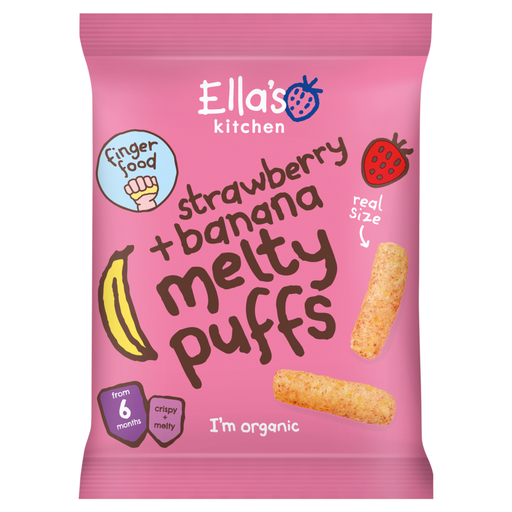
Ella’s Kitchen Organic Strawberry & Banana Melty Puffs, 6+ Months, 20g
A fruit-flavoured puff option rather than a chocolate biscuit for snack time. The product name states 6+ months and a 20g pack; check the current pack’s ingredients and nutrition information before serving.
View on Joybuy
 No image available
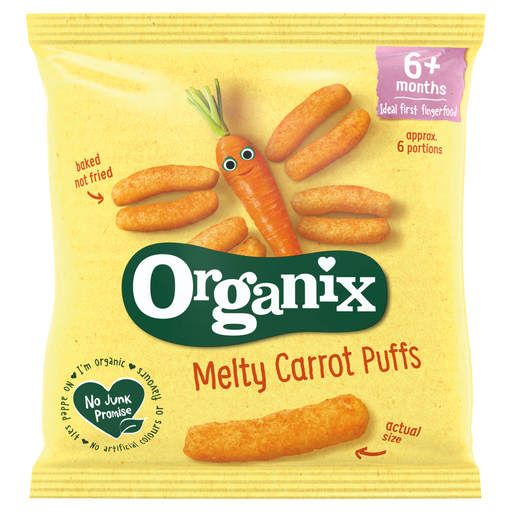
Organix Crunchy Carrot Sticks, 6+ Months, 20g
A carrot-flavoured stick option to consider instead of a chocolate biscuit. The product name states 6+ months and a 20g pack; read the pack for ingredients, allergens and nutrition information.
View on Joybuy
 No image available
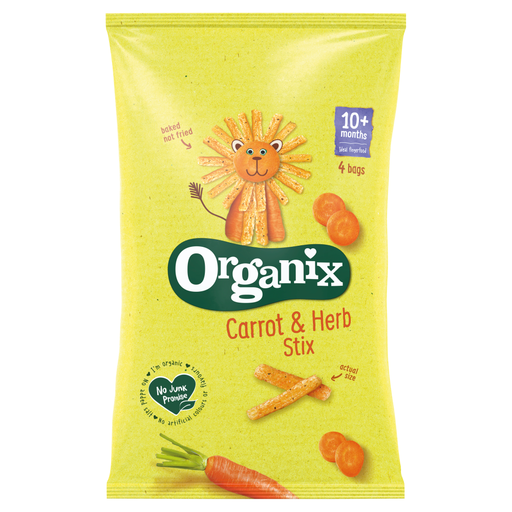
Organix Carrot & Herb Stix, 10+ Months, 4 × 15g
A carrot-and-herb snack option rather than a dark chocolate biscuit. The product name states 10+ months and four 15g packs; check the current label before serving.
View on Joybuy
 No image available
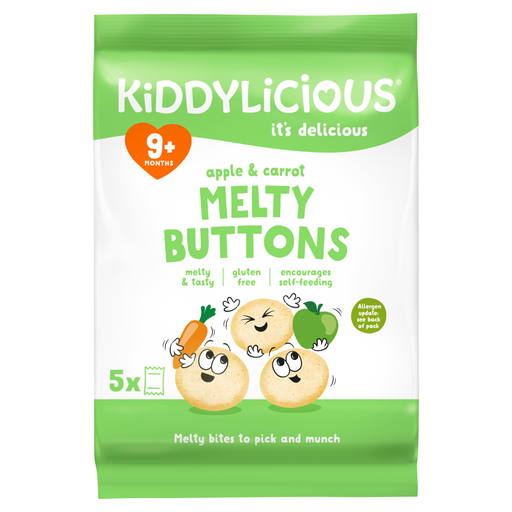
Kiddylicious Apple & Carrot Melty Buttons, 9+ Months, 30g
An apple-and-carrot-flavoured option for snack time, not a chocolate biscuit. The product name states 9+ months and a 30g pack; check the current ingredients and allergen declaration.
View on Joybuy
 No image available
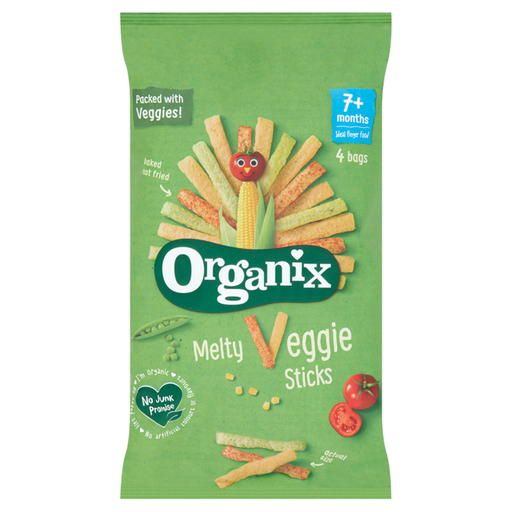
Organix Melty Veggie Sticks, 7+ Months, 4 × 15g
A vegetable-flavoured stick option to consider instead of a chocolate biscuit. The product name states 7+ months and four 15g packs; read the current pack for ingredients and nutrition information.
View on Joybuy
Questions about toddlers and chocolate biscuits
Are dark chocolate biscuits suitable for everyday toddler snacks?
Choose something else for a routine snack. The NHS advises avoiding foods and drinks with sugar or sweeteners for children aged 4 or under, and not giving them too many foods high in saturated fat, including biscuits and cakes. Calling the chocolate “dark” does not change that advice.
Does more cocoa make a biscuit more suitable for a toddler?
Cocoa percentage alone cannot tell you that. Sainsbury’s Dark Chocolate Digestives and Fox’s Dark Chocolate Rounds both state at least 35% cocoa solids in their chocolate, while their product listings also report sugars and saturates. Check the whole biscuit’s label and whether you intend it as an occasional treat or a regular snack.
Which allergens should I check on a dark chocolate biscuit?
Read the ingredients and precautionary statements on the exact current pack. The McVitie’s listing identifies wheat or gluten, milk and soya ingredients; Sainsbury’s listing highlights cereals containing gluten and an oats allergy precaution; and Tesco Groceries lists a nuts-and-peanuts precaution for Fox’s Dark Chocolate Rounds. Do not transfer one product’s declaration to another.
Can I pack a chocolate biscuit for nursery or school?
Check the individual setting’s packed-food and allergen policy before packing one. Department for Education school-food guidance concerns food provided by state-funded schools in England, which is a different question from what a parent may put in a packed lunch.
Are retailer HFSS rules the same as school snack rules?
No. Department of Health and Social Care guidance describes England’s HFSS restrictions on promotion and placement of certain products by retailers. England’s school-food requirements address food provided in state-funded schools separately; neither rule establishes the individual HFSS classification of a biscuit simply because its coating is dark chocolate.


